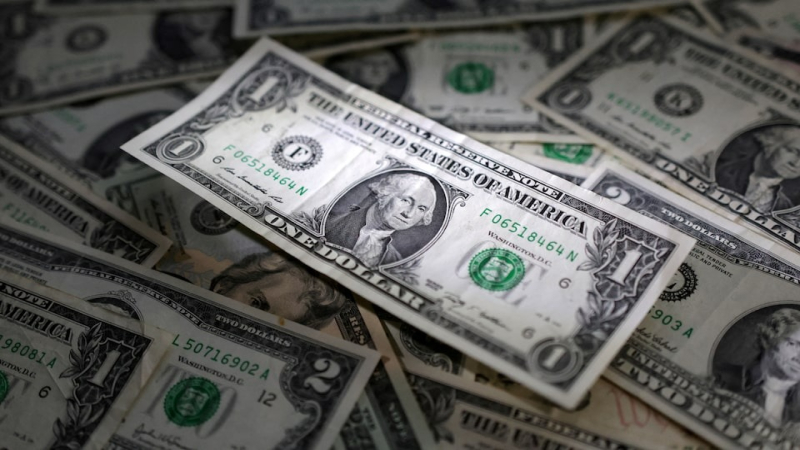
The U.S. dollar strengthened across major currencies as global markets reacted to easing trade tensions and shifting fiscal expectations. Investor sentiment improved after confirmation that planned tariffs on several European economies would not move forward, reducing near term uncertainty that had pressured U.S. assets earlier in the week. The dollar advanced against the euro and the Swiss franc as markets unwound defensive positioning built during the tariff scare. The move reflected a broader relief driven adjustment, with investors prioritizing stability signals over unresolved political details. Currency markets responded swiftly, highlighting how sensitive foreign exchange pricing remains to trade policy developments and diplomatic signals involving major economic blocs.
The euro retreated after recent gains, while the Swiss franc weakened as demand for traditional safe haven assets faded. Earlier concerns that escalating trade measures could disrupt transatlantic economic relations had supported these currencies, but the reversal underscored how quickly sentiment can shift when policy risks are deferred. Equity markets rallied alongside the dollar, reinforcing a risk on environment that favored U.S. assets. Market participants suggested that the absence of immediate tariff action mattered more than the specifics of any future agreement, allowing traders to refocus on broader macro drivers such as growth differentials and monetary policy expectations.
The Japanese yen remained under pressure, weighed down by renewed concerns over domestic fiscal policy and political uncertainty. Investor anxiety intensified following signals of looser fiscal commitments and the prospect of snap elections, which unsettled Japanese government bond markets earlier in the week. Although bonds stabilized, the yen continued to weaken against the dollar, reflecting doubts over long term fiscal discipline. Currency strategists warned that further yen depreciation could push exchange rates toward levels that historically attract official attention, though confidence in the effectiveness of any intervention has diminished amid structurally weaker demand for Japanese assets.
Overall, currency markets are navigating a complex landscape shaped by policy driven volatility and uneven economic signals. While the immediate threat of new tariffs has receded, underlying tensions between major economies persist, keeping investors alert to sudden shifts in rhetoric or strategy. The dollar’s advance illustrates its continued role as a beneficiary during periods of relative policy clarity, even as longer term questions around trade, fiscal sustainability, and geopolitical alignment remain unresolved. With global markets awaiting further economic data and central bank guidance, foreign exchange volatility is expected to stay elevated as traders react to evolving policy narratives.