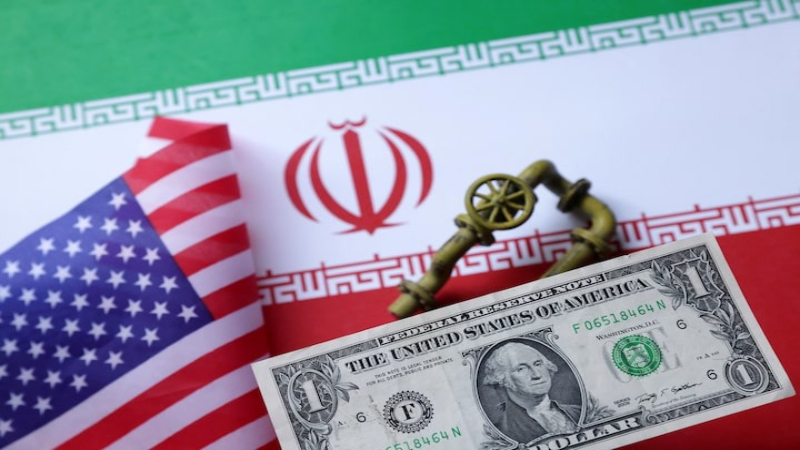
The U.S. dollar has staged a broad rebound in global currency markets, but analysts say the move reflects relative energy dynamics rather than a traditional safe haven surge. As tensions in the Middle East push oil and gas prices higher, currencies of major energy importing economies have come under pressure, leaving the dollar stronger largely by comparison.
The dollar index advanced against a basket of major currencies after military escalation involving Iran sent crude prices sharply higher. Brent crude briefly jumped around 10 percent before stabilizing, triggering concerns about prolonged supply disruptions through the Strait of Hormuz. The narrow waterway handles a significant share of global oil and liquefied natural gas shipments, making it a central risk factor for energy markets.
Unlike previous episodes of geopolitical stress, the dollar’s strength appears less tied to panic driven capital inflows and more to shifting economic exposure. The United States is now a net exporter of petroleum products, reducing its vulnerability to oil price spikes relative to many advanced economies. In contrast, Japan, China, and several European nations remain heavily dependent on imported energy, particularly supplies transiting the Gulf region.
The Japanese yen weakened notably, reflecting Japan’s substantial energy import bill and its exposure to shipments passing through Hormuz. The euro also declined as European natural gas prices surged, with benchmark contracts rising sharply amid fears of supply interruptions. Europe relies significantly on liquefied natural gas imports, including shipments from the United States and Qatar. Any disruption in Gulf flows increases market volatility and price risk.
Currency strategists argue that the dollar’s rebound may not signal a full restoration of its traditional haven status. Since political and fiscal uncertainty increased in recent years, the greenback has not always rallied during periods of global stress. Instead, the current move appears driven by relative growth and inflation expectations shaped by energy exposure.
Higher oil prices can act as both an inflationary force and a drag on economic activity. For the United States, the net impact may be more balanced due to domestic production capacity. For energy importing regions, however, sustained price increases could reduce consumer spending power and strain trade balances. These differing macroeconomic effects are influencing foreign exchange flows.
Some analysts estimate that for every sustained ten dollar increase in oil prices, global growth could slow modestly. Currency markets often adjust quickly to such expectations, reinforcing trends tied to relative resilience. If oil prices remain elevated, the dollar could gain further support as investors reassess the comparative outlook for major economies.
At the same time, prolonged dollar strength can amplify the energy shock abroad by raising the cost of dollar denominated commodities. This dynamic creates a feedback loop in which higher oil prices strengthen the dollar, which in turn tightens financial conditions globally.
With geopolitical developments still unfolding, the dollar’s path will likely hinge on the duration of energy disruptions and the broader economic consequences of sustained commodity volatility.