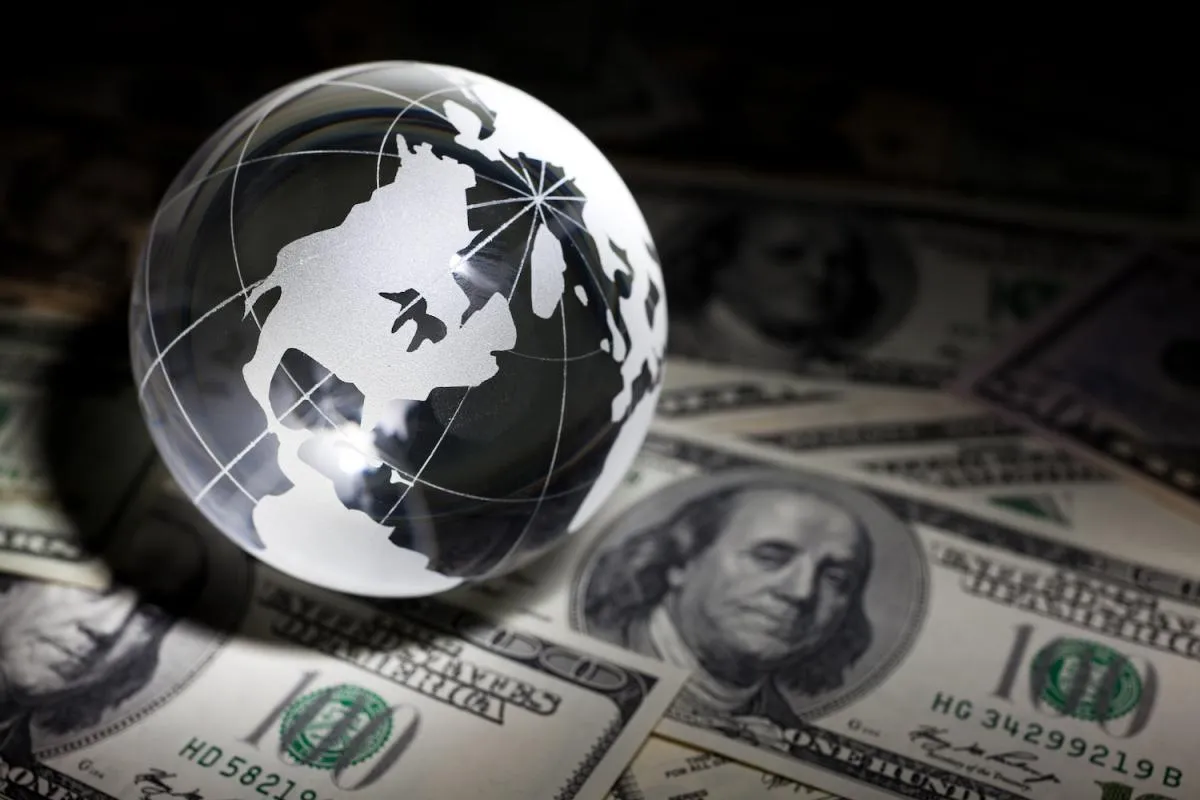
The U.S. dollar is holding firm above the 106 mark on the Dollar Index as global currencies continue to lose ground amid diverging economic trajectories and shifting monetary expectations. Despite easing inflation and early signs of slowing growth, investor demand for dollar-denominated assets remains resilient. The greenback’s strength reflects confidence in the United States’ economic stability relative to its peers, particularly as Europe and Asia grapple with weaker industrial output, political uncertainty, and uneven capital flows. For global markets, the dollar’s staying power has become both a barometer of investor sentiment and a source of strain for importers, emerging markets, and commodity-linked economies.
U.S. Economic Resilience Supports Dollar Strength
The dollar’s current dominance is underpinned by steady macroeconomic data in the United States. While inflation has moderated, consumer spending and labor market indicators remain firm, supporting expectations that the U.S. economy will avoid a deep downturn. This resilience contrasts sharply with the slowdown in major trading partners, keeping capital flows directed toward American assets.
Treasury yields, though off their cyclical highs, continue to attract global investors seeking relative safety and yield stability. The 10-year yield remains comfortably above 4 percent, reinforcing the dollar’s appeal as global bond markets adjust to expectations of moderate rate cuts in 2026 rather than an immediate pivot. The strong dollar environment is also being reinforced by a steady stream of capital inflows into U.S. equities, driven by strong corporate earnings and an expanding technology sector.
At the institutional level, the dollar continues to benefit from its status as the global reserve currency. In times of uncertainty, central banks and sovereign funds maintain or increase dollar exposure, underscoring the currency’s unmatched liquidity and reliability. Even with growing discussions about de-dollarization, the greenback remains the primary benchmark for trade, finance, and commodities pricing.
Global Currencies Under Pressure
While the dollar remains strong, most global currencies are under sustained pressure. The euro has fallen back below 1.07, constrained by sluggish growth in Germany and France and limited room for monetary easing by the European Central Bank. The eurozone’s manufacturing slowdown, coupled with tepid consumer demand, continues to weigh on sentiment. With inflation gradually aligning toward the ECB’s 2 percent target, policymakers face the challenge of supporting growth without undermining price stability.
In Asia, the Japanese yen remains particularly weak, hovering near multi-decade lows against the dollar despite occasional verbal interventions from Tokyo. The Bank of Japan’s cautious stance on tightening has widened the yield gap between U.S. and Japanese bonds, sustaining downside pressure on the yen. Meanwhile, China’s yuan is trading defensively as capital outflows persist and investor confidence remains fragile amid uneven economic recovery and property sector concerns.
Emerging market currencies have not fared better. Rising U.S. yields and a firm dollar have increased debt-servicing costs for economies reliant on external financing. Many central banks in Latin America and Southeast Asia are struggling to maintain currency stability while supporting growth through lower interest rates. This balancing act is complicating monetary policy across developing markets and amplifying capital outflow risks.
Commodities and Global Trade Impact
The dollar’s continued strength has broad implications for global commodities and trade. Since most commodities are priced in dollars, a stronger U.S. currency tends to suppress demand by making goods more expensive for non-dollar buyers. Oil, gold, and industrial metals have all faced headwinds as global purchasing power declines outside the U.S. Even as oil prices fluctuate due to supply factors, the dollar’s firmness keeps downward pressure on energy costs for American consumers while raising costs abroad.
Global trade volumes are also feeling the strain. Exporters from Europe and Asia are losing competitiveness as their currencies weaken relative to the dollar. This dynamic is particularly evident in high-value manufacturing sectors, where price sensitivity has increased amid slowing global demand. Some nations have responded by deploying currency stabilization measures or accelerating local-currency trade agreements, though the effect remains limited against the structural dominance of the dollar.
Meanwhile, investors are watching for potential spillover effects into debt markets. Dollar-denominated bonds issued by emerging economies are facing renewed scrutiny, as higher servicing costs increase default risks in vulnerable regions. Institutions with significant exposure to emerging market debt are adjusting portfolios to hedge against prolonged dollar strength.
Outlook: Policy Divergence and Market Positioning
The near-term outlook for the dollar hinges on policy divergence between the Federal Reserve and other major central banks. While the Fed is expected to begin its rate-cut cycle in 2026, it remains more hawkish than its global counterparts, reinforcing relative yield support for the currency. The ECB, Bank of England, and Bank of Japan are signaling gradual normalization, but weak growth dynamics limit their capacity to match U.S. rates in the near term.
Market sentiment also reflects an underlying shift toward caution. Hedge funds and institutional investors are maintaining net-long positions on the dollar, expecting continued strength as global uncertainty lingers. Analysts suggest that unless U.S. data weakens significantly or inflation reaccelerates, the dollar is likely to remain range-bound between 105 and 108 on the index a level that supports U.S. assets but pressures global liquidity.
Longer term, the structural underpinnings of dollar strength remain intact. Deep capital markets, transparent regulation, and strong institutional credibility continue to attract global investment even as alternative currency blocs attempt to expand. The challenge for policymakers outside the U.S. will be to navigate this landscape without fueling excessive capital volatility or inflationary pass-through effects from imported goods.
Conclusion
The dollar’s sustained position above 106 reflects more than temporary strength it represents confidence in the relative stability and productivity of the U.S. economy compared to its peers. Global currencies are struggling to regain ground amid divergent policy paths, uneven growth, and persistent risk aversion. For investors, the message is clear: the greenback remains the global benchmark for safety, liquidity, and yield.As 2026 approaches, the dollar’s trajectory will continue to shape asset flows, commodity pricing, and international trade dynamics. Until other economies demonstrate consistent growth and policy credibility, the U.S. currency is likely to remain dominant. In a fragmented global economy, the dollar’s resilience underscores a simple reality stability remains the most valuable commodity of all.