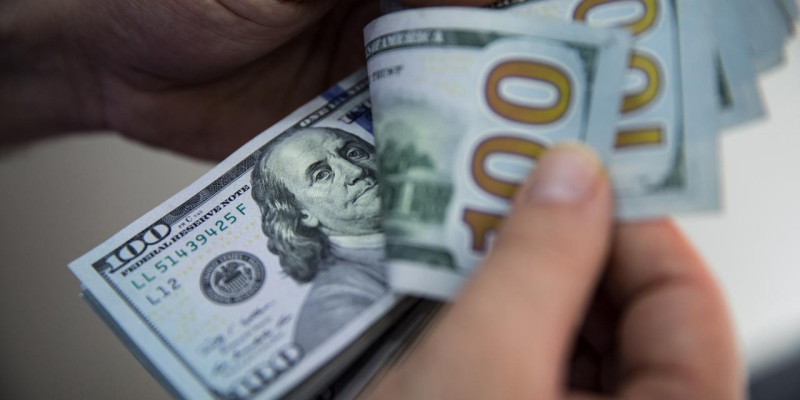
The dollar index has climbed to nearly 107, its highest level in months, as investors retreat toward safety amid policy uncertainty and fragile global growth. The Federal Reserve’s recent decision to hold interest rates steady has amplified expectations that tighter financial conditions will persist into next year.
The move signals a cautious outlook. With inflation still above target and global markets showing uneven recovery, traders are recalibrating portfolios toward assets that offer stability and liquidity. The dollar is once again proving to be the preferred refuge when markets turn defensive.
Dollar Strength Reflects Heightened Demand for Safety
The rise in the dollar index highlights how investors are responding to a shifting policy environment. While markets had anticipated rate cuts earlier in the year, resilient U.S. data have delayed that outcome. Strong consumer spending and steady employment figures have convinced the Fed to maintain its stance, giving the dollar a yield advantage over its peers.
As policy expectations change, global portfolios are adjusting. Fund managers have reduced exposure to high-risk currencies such as the Australian dollar and the Mexican peso, redirecting capital toward U.S. Treasuries and cash equivalents. This repositioning reflects both a risk-off tone and the perception that U.S. assets remain the most reliable source of return during uncertainty.
The effects of this defensive posture are spreading across markets. As the dollar gains, emerging-market currencies face pressure, forcing central banks to manage outflows and maintain reserve buffers. The result is a self-reinforcing cycle of dollar demand that underlines the currency’s unmatched depth and credibility.
Rate Outlook and Investor Positioning
The Fed’s pause has left traders debating the timing and scale of future moves. Policymakers remain split: some argue that inflation progress warrants patience, while others see the need for limited easing later in 2026. This divergence keeps volatility high and the dollar supported.
Bond markets have quickly priced in this uncertainty. Two-year Treasury yields remain elevated as investors expect rates to stay higher for longer. For global funds seeking consistent yield and liquidity, U.S. assets offer both, drawing inflows from Europe and Asia.
Investor positioning reinforces the dollar’s strength. Commodity-linked currencies have weakened, and speculative long positions on the dollar have grown. Analysts at Reuters note that these trends mirror the early stages of past tightening cycles when capital naturally gravitates toward the world’s reserve currency.
Global Liquidity and Market Effects
As the dollar strengthens, ripple effects are being felt in global liquidity. Central banks worldwide are tightening balance sheets or slowing asset purchases, leaving less cash circulating through the system. In such conditions, the dollar’s role as the primary settlement currency becomes even more dominant.
The IMF’s latest data confirm that the dollar still makes up more than half of global reserves. Despite calls for diversification, most central banks continue to rely on U.S. assets for security and accessibility. The dollar’s network effect ensures that, even in times of tension, it remains the central node of global finance.
Commodity markets are also adjusting to the stronger dollar. Oil prices have steadied near eighty-five dollars per barrel, with further gains capped as the stronger greenback raises costs for importers using other currencies. Gold has hovered around twenty-four hundred dollars an ounce, balancing its traditional hedge appeal against the attraction of holding dollar liquidity.
Regional Currencies and Broader Implications
The euro has softened as uneven growth and cautious fiscal policy weigh on confidence. The European Central Bank’s reluctance to accelerate stimulus leaves the region vulnerable to relative policy divergence. The yen, meanwhile, has weakened toward record lows as Japan maintains ultra-loose monetary settings, encouraging capital outflows.
In emerging markets, the story is one of mounting pressure. A stronger dollar increases the cost of servicing external debt, eroding fiscal flexibility. Nations reliant on dollar borrowing are being forced to raise domestic rates or draw on reserves, tightening local financial conditions.
These shifts are feeding back into global capital flows. As investors respond to currency volatility, equity markets in developing economies have seen renewed outflows. The dollar’s momentum, in turn, reinforces its perception as the only truly dependable anchor during financial stress.
Policy and Market Outlook
The coming months will test whether the dollar’s strength can persist. Inflation remains above the Fed’s target, but growth is showing signs of fatigue. A slowdown in hiring or a sharper drop in consumer spending could shift expectations and weaken the greenback’s momentum.
Still, policy communication from the Fed remains data-driven, keeping investors alert to every economic release. Any sign that the central bank is preparing to extend its pause could support another leg higher for the dollar. Conversely, clearer signals of easing might prompt a measured pullback, though history suggests that demand for the currency rarely fades quickly.
Global markets will continue to feel the weight of a firm dollar. From commodity pricing to cross-border lending, the greenback shapes conditions that determine both liquidity and leverage. The balance between fiscal policy, energy prices, and market confidence will dictate how long the dollar retains its upper hand.
Conclusion
The dollar’s climb to 107 reaffirms its status as the cornerstone of financial stability. With policy rates steady and global uncertainty lingering, investors are once again turning to the greenback for security and yield. If inflation proves stubborn and global risks persist, the dollar could remain dominant well into 2026, defining the rhythm of markets and the direction of global capital.