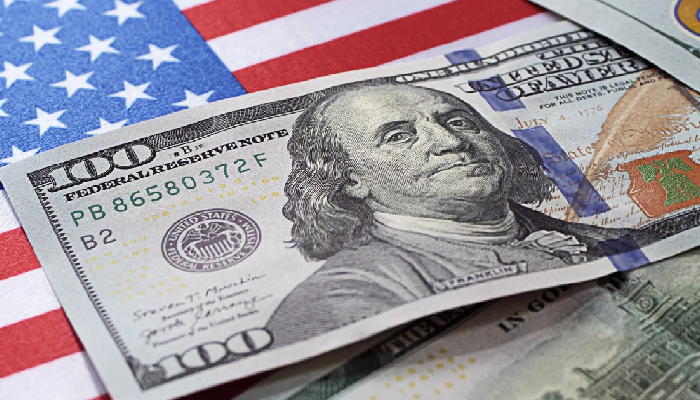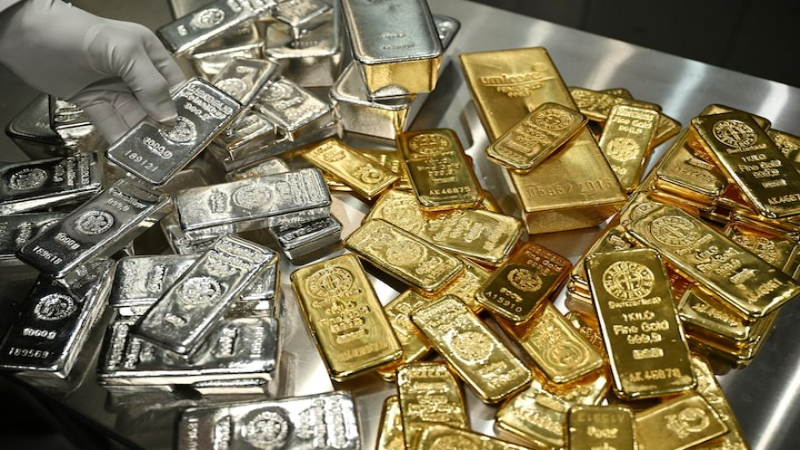
Precious metals markets pulled back after a strong rally as a firmer US dollar and profit taking weighed on prices, underscoring the close link between currency movements and commodity valuations. Silver retreated sharply from record highs, while gold eased after reaching a multi week peak, reflecting a pause in momentum rather than a reversal in broader trends. The dollar’s modest advance made dollar priced metals less attractive for non US buyers, highlighting how even small shifts in currency strength can influence global demand. For macro focused investors, the move illustrates how the dollar continues to act as a transmission channel between monetary policy expectations and asset pricing, particularly in markets sensitive to interest rates and liquidity conditions.
The recent firmness in the dollar comes as markets digest the Federal Reserve’s latest policy signals and reassess the path of interest rates into next year. While expectations for further easing remain, near term uncertainty has encouraged selective dollar buying, especially as investors rebalance positions after sharp moves in commodities. Rising prices in metals earlier this year were partly driven by expectations of lower real yields and strong industrial demand, factors that tend to weaken the dollar. The latest pullback suggests that currency effects are reasserting themselves, with the dollar regaining some influence as traders lock in gains and reduce exposure ahead of key economic data. This dynamic reinforces the dollar’s role in shaping global pricing power.
From a broader macro perspective, the interaction between the dollar and metals markets offers insight into shifting investor priorities. Strong performance in silver and gold over recent months reflected both industrial demand and hedging behavior amid policy uncertainty. However, when the dollar stabilizes or strengthens, those hedges can unwind quickly, leading to sharp but orderly corrections. For currency markets, this matters because sustained strength in commodities often coincides with dollar softness, while corrections can signal renewed demand for the greenback. The current environment suggests a market searching for balance, where neither runaway inflation fears nor aggressive tightening dominate expectations, leaving the dollar responsive to incremental data and positioning changes.
Looking ahead, attention will turn to upcoming US labor market data and inflation indicators, which are likely to shape expectations for real rates and, by extension, the dollar’s trajectory. If data confirms cooling growth without a sharp downturn, the dollar may remain supported, keeping pressure on precious metals in the short term. Conversely, renewed weakness in economic indicators could reignite expectations for deeper easing and weigh on the currency. In this context, recent moves in gold and silver serve as a barometer for how investors perceive the dollar’s near term outlook, reflecting a market that remains highly sensitive to policy signals and currency driven valuation shifts.