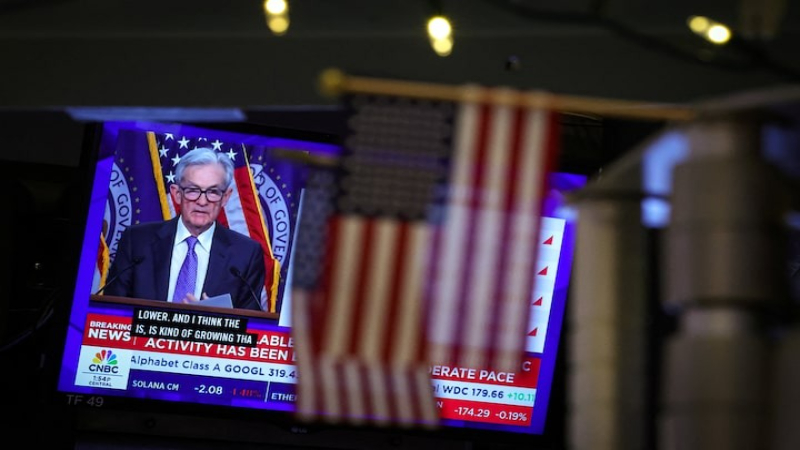
The US dollar is recalibrating after the Federal Reserve delivered its third interest rate cut of the year, reinforcing expectations that the peak of restrictive policy has passed. While the quarter point reduction was widely anticipated, its broader implications for currency markets are still being assessed as investors weigh the balance between easing support and longer term fiscal and inflation risks. The move has reduced borrowing costs across the economy, but from a foreign exchange perspective it has further narrowed the yield advantage that previously supported the dollar. As a result, the greenback has struggled to regain momentum, with market participants increasingly focused on how many additional cuts may follow and over what timeframe. This adjustment reflects a transition phase where policy is no longer decisively restrictive but not yet clearly accommodative.
Market reaction suggests that confidence in sustained dollar strength has weakened as expectations shift toward a lower rate environment. Savers and fixed income investors are already adapting to reduced returns, while currency traders are reassessing capital flow dynamics tied to interest differentials. With rates now lower than earlier in the year, the incentive for global investors to hold dollar denominated assets has diminished, particularly as other major economies signal a willingness to maintain tighter stances. This has introduced a more competitive landscape for currencies, where relative growth prospects and fiscal stability matter more than headline yields. The dollar’s response underscores how policy easing, even when gradual, can reshape perceptions of long term currency value.
Beyond rates, fiscal initiatives and structural policy changes are also entering the equation for dollar outlook. New government backed investment programs aimed at boosting household wealth could alter domestic savings behavior over time, potentially influencing demand for financial assets. While these measures are primarily domestic in focus, international investors monitor such developments for signals about future debt issuance and fiscal sustainability. An environment of expanding fiscal commitments combined with lower rates can heighten sensitivity around long term dollar stability. For now, markets appear cautious rather than alarmed, but these factors contribute to a broader reassessment of how resilient the dollar will remain as policy support gradually replaces restraint.
Looking forward, the dollar’s path will depend on how convincingly the Federal Reserve can manage easing without reigniting inflation or undermining confidence in US assets. Incoming economic data and policy guidance will be critical in determining whether current expectations are reinforced or challenged. If growth remains steady while inflation cools, the dollar may stabilize despite lower rates. However, if easing accelerates or fiscal pressures intensify, the currency could face sustained headwinds. In this context, the latest rate cut marks not just a policy adjustment but a signal that the dollar is entering a new phase shaped by moderation rather than dominance.