Disposable BBQ ban enforced in parks and beaches
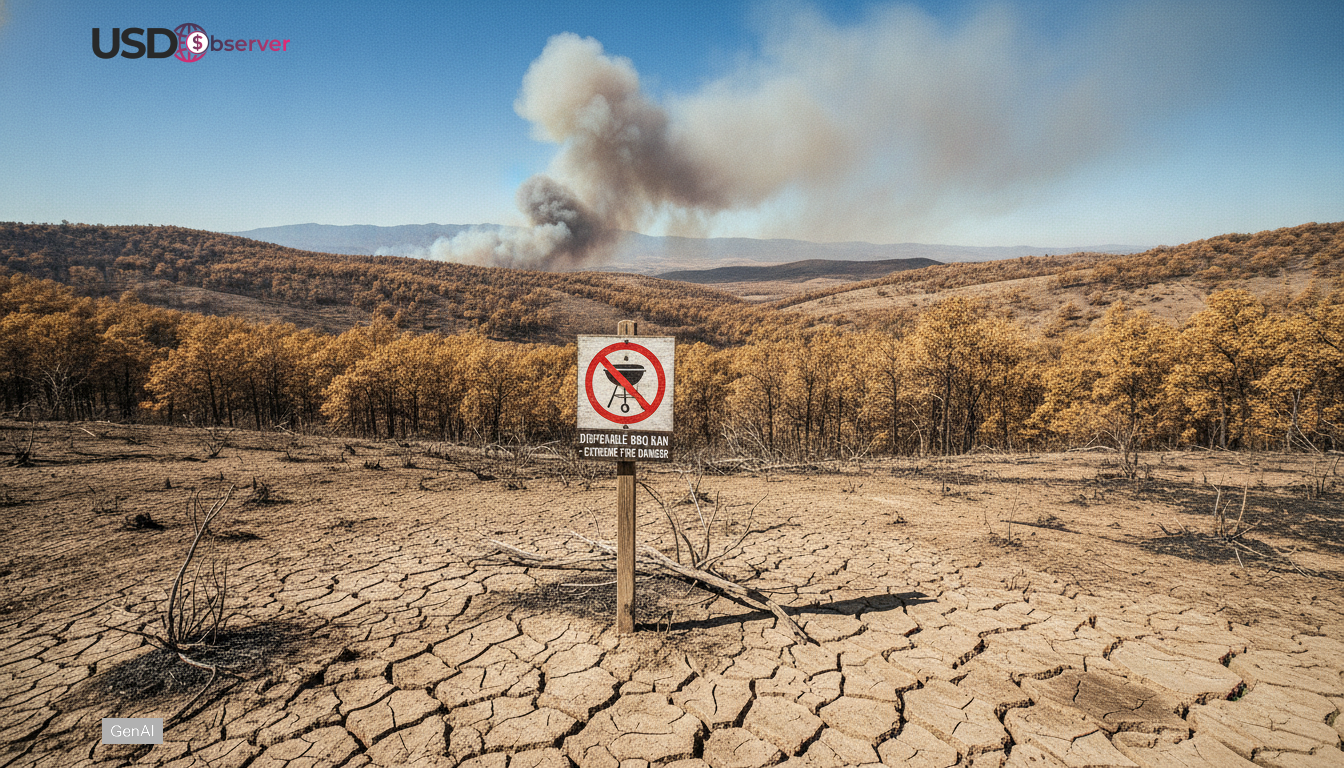
A disposable BBQ ban has been introduced in some high-risk outdoor areas as wildfire danger rises, as indicated by available reports from local authorities and site managers. Local authorities mentioned the restriction might apply to parks, beaches, and open countryside where dry grass may ignite quickly, depending on local rules and land ownership. Officials suggested that single-use grills can remain hot after use and may be discarded while still smoldering, a risk commonly highlighted in public-safety guidance. Councils noted that signage and patrols could increase during the hottest periods, and penalties may apply where prohibited items are used, although the scope and level of enforcement can vary by area. Public safety teams advised visitors to use fixed, designated cooking areas where permitted and to cool coals fully before disposal. The order was described by councils as temporary, with extensions possibly tied to changing conditions.
Military support expands as wildfire response intensifies
Emergency services indicated that military personnel might be assigned in certain areas to support wildfire operations, with roles potentially involving logistics, transport, and welfare support for crews, according to briefings from responding agencies dated 17 August 2026. Command staff explained that such deployments are intended to help sustain round-the-clock coverage while professional firefighters focus on fire lines, evacuations, and protection of homes and critical infrastructure. For broader context on how government decisions could tighten rules during crises, see UK crypto regulation spotlight as Farage gift probe grows, as coordination centers stressed that incident control remains with civil authorities and local fire commanders, according to standard incident-command arrangements described by emergency services. Separately, Coindesk coverage of the U.S. Treasury GENIUS Act proposal shows similar emphasis on rapid rulemaking during elevated risk periods.
Drought conditions raise ignition risk and spread speed
Fire chiefs suggested that drought conditions are making fuels more receptive to ignition, with low moisture in vegetation increasing the likelihood that small sparks become fast-moving fronts. Meteorological briefings cited persistent dryness and gusty winds as key drivers in heath and grassland areas, where fires can spread rapidly and complicate access for ground crews. Officials indicated that public messages are being widened beyond outdoor cooking restrictions such as the disposable BBQ ban to include cigarette disposal and vehicle parking on dry verges. In some areas, authorities noted that these measures are being paired with temporary closures of the most exposed sites and stricter checks at entry points, depending on local risk assessments. Responders also observed that smoke and shifting winds can reduce safe flight windows for aircraft, which may affect aerial support.
Public compliance and enforcement for the disposable BBQ ban
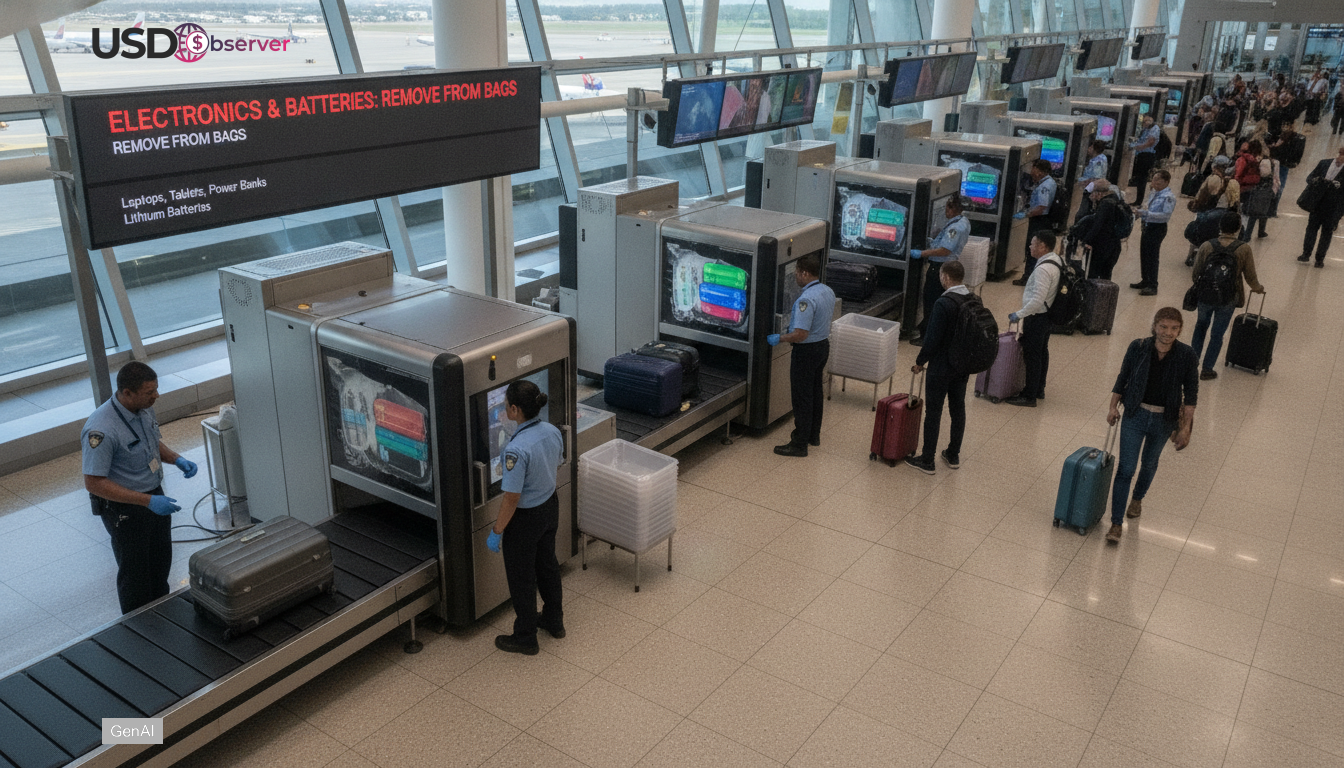
Councils reported that compliance has been mixed, with many visitors accepting restrictions while others questioned differences between neighboring areas. Enforcement officers said the goal is prevention rather than punishment, but repeat or deliberate violations can lead to stronger action where local bylaws allow. For related risk guidance on hazards in transport settings, see Airlines Warn on Lithium-Ion Batteries and AI Risks, as local officials noted that patrols are prioritizing weekends and school holiday periods when visitor numbers are typically higher, and some sites are adding additional staff at car parks and trailheads, according to council updates. Public information teams highlighted practical steps, including using permitted fixed grills and carrying water to cool potential embers. Leaders mentioned that clearer maps and standardized signage are being rolled out, though timelines may differ by council.
Next steps: seasonal rules and wider wildfire prevention
Authorities said they are reviewing whether seasonal restrictions, potentially including limits on disposable grills, should become routine during the highest-risk months, with triggers linked to weather thresholds and fire service capacity. Legal teams are also assessing how to align local orders with national frameworks so travelers encounter more consistent rules across regions, according to officials involved in policy planning. Officials suggested that any longer-term approach would keep a focus on prevention, rapid detection, and penalties where negligence is proven under existing laws. Education is expected to remain central, including work with retailers on warning labels and safer disposal instructions, according to councils and safety partners. Policymakers also signaled that future measures could address other ignition sources, including small stoves and lanterns, depending on evidence and incident trends.