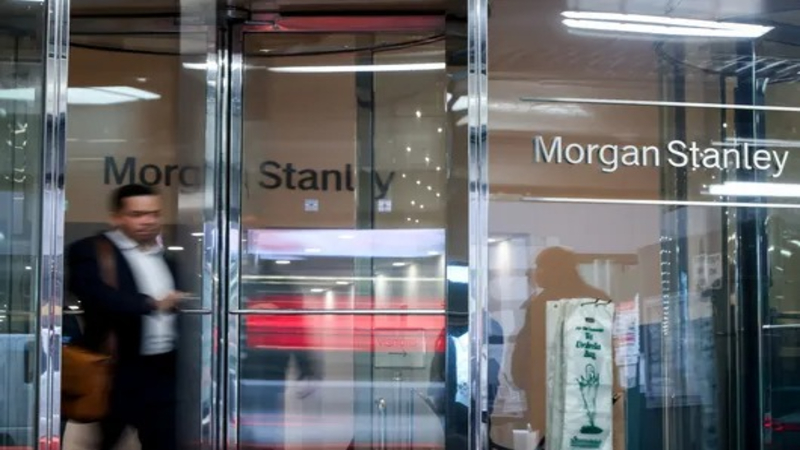
A delay by banks led by Morgan Stanley on a planned sale of nearly six hundred million dollars in data center bonds has drawn the attention of credit analysts who are assessing how the move fits into broader market sentiment around risk, dollar liquidity and foreign exposure. The postponement gives investors additional time to evaluate the structure of the ServerFarm deal after concerns increased over its revenue concentration linked to an affiliate of Alibaba. According to updated disclosures, the Chinese technology partner represents more than one fifth of projected annualized revenue from customer contracts tied to the transaction. With global markets already sensitive to relationships between United States infrastructure assets and major foreign technology firms, the renewed scrutiny contributed to a slowdown in deal execution and added a layer of uncertainty to a market still adjusting to shifting expectations for Federal Reserve policy.
Bond specialists noted that investor caution is not surprising given recent volatility in credit spreads and changing perceptions around global counterparty exposure. The introduction of new risk language within the deal documentation suggests that underwriters are taking a more conservative approach amid growing debate over how foreign commercial ties intersect with US based digital infrastructure. This comes at a moment when the dollar credit market remains finely tuned to any developments that might influence liquidity, given that rate cut expectations have cooled and the yield environment continues to favor the greenback. For many investors, the link to Alibaba is not a default risk by itself but an indicator of geopolitical and regulatory considerations that could shape long term revenue consistency. A delay of even one week in pricing can signal the need for stronger investor alignment or additional clarity before commitments are secured.
The broader macro backdrop amplifies the significance of the postponement. The United States has experienced an influx of debt issuance this year as companies seek to refinance obligations at stable yield levels while market conditions remain supportive. Against this activity, deals tied to data centers have attracted strong interest due to rising demand for AI infrastructure and cloud-based operations. However, the presence of foreign technology affiliations introduces a risk element that investors evaluate carefully, especially in a period where currency strength and regulatory positioning can influence global capital flows. The dollar continues to trade near multi month highs, making US credit markets attractive for foreign buyers but also elevating the importance of understanding each structure’s revenue dependencies. If delays become a trend for issuers with international links, analysts believe it could introduce selective tightening in pockets of the credit market that are particularly sensitive to geopolitical exposure. For now, the postponement serves as a signal of the market’s insistence on transparency and risk clarity as the year approaches its final quarter.