Introduction
Climate change has moved from a distant concern to an immediate economic reality that carries profound implications for the U.S. dollar. Increasingly frequent and severe weather events, rising sea levels, and environmental disruptions are creating significant economic challenges for the United States. These challenges impact infrastructure, public health, agriculture, and energy systems, which in turn have broader consequences for financial stability and currency valuation. As the U.S. dollar remains the primary global reserve currency, understanding how environmental changes influence its strength is crucial for investors, policymakers, and global market participants.
The financial effects of climate change extend beyond immediate disaster recovery costs. Rising federal and state expenditures, coupled with shifts in investor sentiment and insurance liabilities, place pressure on public budgets and influence the nation’s fiscal health. The uncertainty associated with climate risk can affect capital flows, currency demand, and the perception of the dollar’s reliability as a reserve asset. Exploring the interplay between climate change and the U.S. dollar allows analysts to anticipate potential market disruptions and design policy measures to safeguard economic resilience.
The Economic Impact of Climate Change on the U.S. Economy
Recent research highlights the enormous economic toll that climate change may exact on the United States. According to projections from the U.S. Global Change Research Program, certain sectors could experience annual losses of hundreds of billions of dollars by the end of the century if mitigation efforts are insufficient. These losses stem from factors such as more frequent hurricanes, heatwaves, floods, droughts, and wildfire events, which can disrupt production, damage infrastructure, and reduce labor productivity. The cumulative impact of these disruptions threatens both regional and national economic stability.
The effects of climate change are not evenly distributed across the country. Coastal areas, such as Florida and Louisiana, face heightened risks due to rising sea levels and increasingly intense hurricanes. Meanwhile, the Midwest and Western states contend with droughts, shifting agricultural patterns, and escalating wildfire risks, which disrupt crop yields, supply chains, and energy generation. These regional differences complicate national economic planning and necessitate targeted investment in adaptation and mitigation strategies to maintain economic productivity and protect the long-term value of the U.S. dollar.
Climate Change and the Decline of the U.S. Dollar
The economic pressures associated with climate change have contributed to periods of weakening in the U.S. dollar. In 2025, the currency experienced notable depreciation due to heightened federal spending on disaster relief, infrastructure rebuilding, and climate-related health interventions. Investors have become increasingly sensitive to the fiscal strain imposed by climate events and are factoring climate risk into their evaluations of U.S. assets. The need to finance adaptation and mitigation measures places additional demands on government budgets, which can affect debt levels, interest rates, and the dollar’s stability in global markets.
The depreciation of the dollar has multiple consequences for the economy. While a weaker currency may benefit U.S. exports by making them more competitive internationally, it also increases the cost of imports, thereby creating inflationary pressures for domestic consumers. Businesses that rely on imported goods or raw materials face rising production costs, which can be passed on to consumers, further impacting inflation. Furthermore, a declining dollar can influence its status as the world’s reserve currency, prompting global investors to diversify into other assets and currencies, which may reshape international financial flows and long-term economic strategies.
Investor Sentiment and Climate Risk
Investor behavior is increasingly influenced by climate-related risk. Surveys of institutional investors reveal that a majority now consider climate change a significant factor affecting market stability and asset performance. Concerns focus on disruptions to supply chains, devaluation of physical assets, and rising operational costs due to extreme weather events. As awareness of climate risk grows, investment strategies are adapting to incorporate environmental considerations, with a notable increase in demand for assets that are resilient to climate-related shocks.
This shift in investor sentiment is also evident in the growing adoption of Environmental, Social, and Governance (ESG) investing. Investors are seeking opportunities in sustainable infrastructure, renewable energy, and climate-resilient industries. However, challenges remain, including inconsistent metrics for assessing climate risk and the risk of greenwashing, where companies overstate their environmental performance. These factors complicate investment decisions and underscore the need for standardized approaches to evaluating climate impact on assets and currency valuation.
Policy Responses and Economic Resilience
In response to climate-induced economic pressures, the U.S. government has implemented policies aimed at enhancing resilience and mitigating future risks. The Inflation Reduction Act, for instance, allocates substantial funding to clean energy development, disaster preparedness, and infrastructure modernization. These initiatives are designed to reduce economic vulnerability to climate events and to promote sustainable growth across sectors that are critical to the nation’s economic stability.
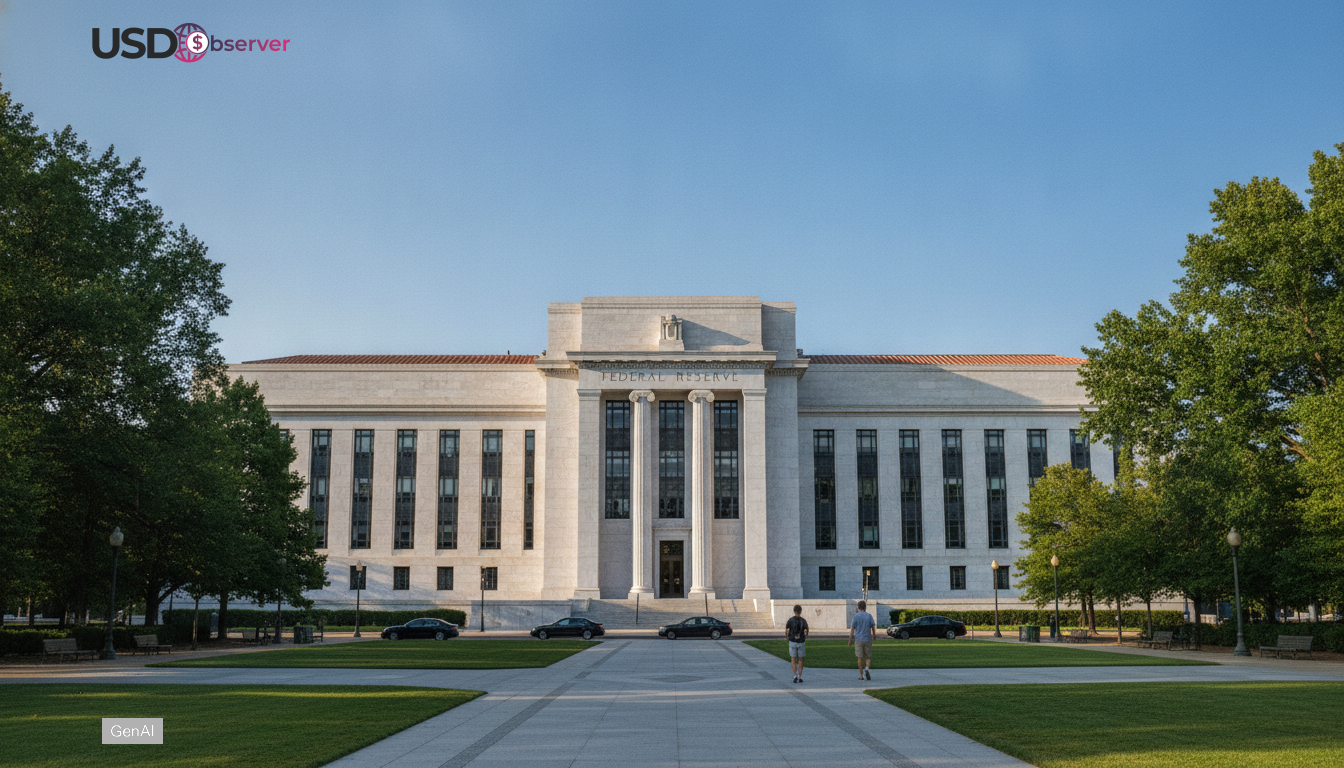
Financial regulators are also increasingly integrating climate considerations into policy frameworks. The Federal Reserve has begun conducting climate-related stress tests to evaluate how financial institutions might respond under various climate scenarios. These measures aim to ensure the resilience of the financial system and maintain confidence in the U.S. dollar. By aligning policy interventions with environmental risk management, the United States can address both immediate economic threats and long-term structural vulnerabilities, thereby safeguarding the dollar’s value in global markets.
Conclusion
The intersection of climate change and the U.S. dollar highlights the inextricable link between environmental sustainability and economic stability. As climate events continue to disrupt production, infrastructure, and public finances, the U.S. economy faces challenges that could influence the dollar’s strength and reliability. Addressing these challenges requires coordinated action from policymakers, financial institutions, and businesses to build resilience, mitigate risks, and support a stable economic environment.
By investing in climate adaptation, modernizing infrastructure, and incorporating environmental considerations into financial planning, the United States can protect the value of the dollar while fostering sustainable economic growth. Climate change will remain a defining factor in the nation’s economic landscape, and proactive management will be essential to maintaining confidence in the dollar and ensuring long-term financial stability.