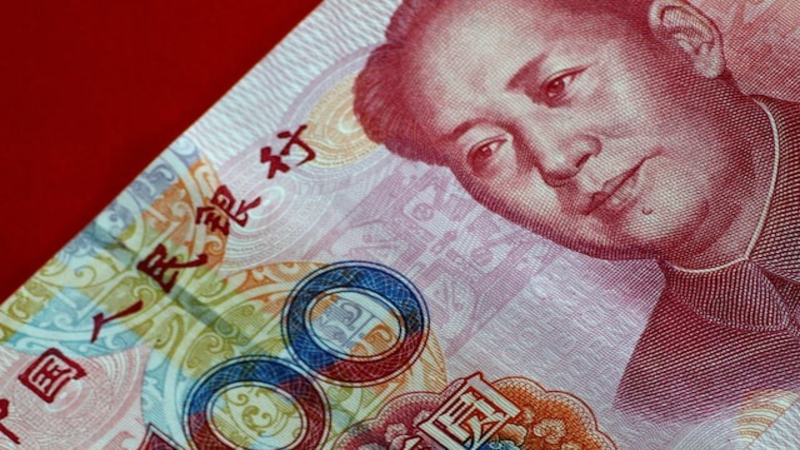
China’s banking system is expected to show a notable pickup in new lending for December, offering early evidence that government stimulus is beginning to feed through into credit activity. Economists anticipate a sharp rise in monthly loan issuance compared with the previous month, reflecting policy efforts to revive demand that has been weighed down by a prolonged property downturn and cautious private sector sentiment. While the rebound would still fall short of levels seen a year earlier, markets are watching closely for signs that policy tools are gaining traction after months of subdued borrowing appetite. The improvement follows a series of targeted measures aimed at easing funding constraints for projects and stabilizing growth without resorting to aggressive broad based easing. For investors, the expected increase suggests incremental progress rather than a decisive turnaround in China’s credit cycle.
The lending outlook is closely tied to a policy based financing instrument introduced late last year to support infrastructure and development projects. Analysts believe this mechanism has started to translate into higher loan demand, particularly in sectors linked to construction and investment activity. Earlier business surveys pointed to modest improvements in factory output and order flows, reinforcing the view that stimulus is working at the margin. However, the pace of recovery remains uneven and dependent on sustained policy follow through. Authorities have emphasized calibrated support, seeking to balance growth stabilization with longer term financial discipline. As a result, credit growth is expected to improve gradually rather than surge, keeping leverage risks contained while still providing enough momentum to prevent a sharper slowdown.
Despite the expected monthly rebound, broader indicators suggest underlying credit expansion remains constrained. Annual growth in outstanding loans is seen easing slightly, while money supply growth is projected to hold steady rather than accelerate. This reflects ongoing structural headwinds, including weak household consumption, deflationary pressures, and lingering stress in real estate. Government bond issuance is also expected to slow, limiting one of the key channels through which liquidity has supported activity in recent years. Policymakers continue to signal a desire to rebalance growth toward consumption, but progress on that front has been gradual. As a result, banks remain cautious, and borrowers selective, tempering expectations for a rapid normalization in credit conditions.
From a global market perspective, China’s credit trends matter well beyond domestic growth. Incremental improvement supports demand for commodities and regional trade flows, while subdued money supply growth limits spillover inflation risks. For currency markets, steady but controlled stimulus reduces pressure for aggressive easing that could weaken the yuan sharply. Investors are therefore interpreting the lending pickup as a sign of policy effectiveness without signaling a major shift in macro stance. The message for markets is one of stabilization rather than acceleration. While stimulus is beginning to show results, China’s recovery remains policy guided and gradual, reinforcing expectations of moderate growth and continued management of financial risks in the year ahead.