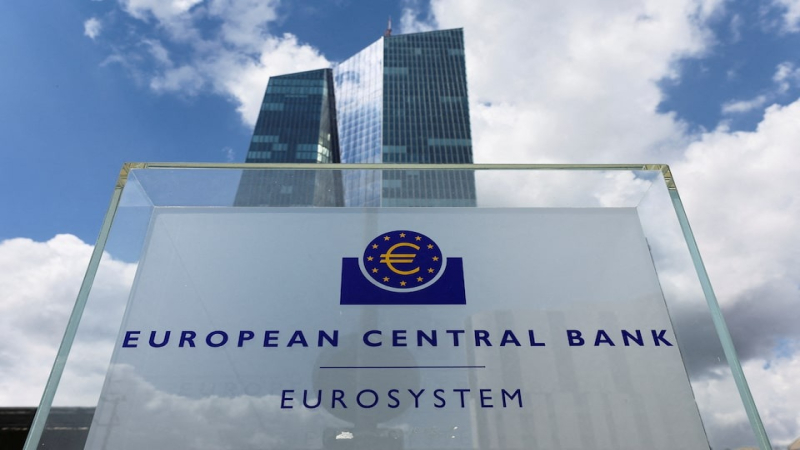
Major central banks across developed economies are increasingly signaling that the global rate cutting cycle is nearing its end, marking a shift in monetary policy after years of easing. The clearest signal came from Japan, where policymakers raised interest rates to their highest level in three decades and indicated that further tightening could follow. In Europe, officials adopted a more cautious tone, with rate decisions reflecting concern that inflation pressures may prove more persistent than previously expected. The Bank of England implemented a modest cut but did so amid a narrow vote that highlighted internal divisions and unease over price stability. Together, these moves suggest that central banks are prioritizing inflation control and financial stability over aggressive growth support, even as economic momentum remains uneven across regions.
Attention has increasingly turned to the United States, where policymakers have begun to signal restraint after a prolonged period of easing. Federal Reserve officials recently suggested that only limited rate cuts may be appropriate in the year ahead, citing signs that the economy may be operating above its sustainable pace. Labor market data has shown mixed signals, with earlier weakness followed by a rebound that complicates the policy outlook. Tariff related cost pressures and resilient consumer demand have added to concerns that inflation could reaccelerate if monetary conditions are loosened too quickly. This cautious stance has introduced uncertainty into markets that had expected a smoother path toward lower borrowing costs, reinforcing the idea that policy normalization may be slower and more uneven than previously anticipated.
Elsewhere, central banks in Canada, Sweden, New Zealand, and Switzerland have largely shifted to holding patterns after substantial easing earlier in the cycle. Policymakers in these economies are assessing whether previous cuts are sufficient to support growth without reigniting inflation. Stronger government spending, resilient export sectors, and currency dynamics have all played a role in shaping decisions to pause. In the euro zone, officials have avoided forward guidance, emphasizing uncertainty tied to growth prospects and price trends. This broad convergence toward caution reflects a global environment where inflation risks remain alive and economic resilience has reduced the urgency for further stimulus. Financial markets are now adjusting to the likelihood that interest rates will remain higher for longer, reshaping expectations across currencies, bonds, and capital flows.