Major central banks across developed economies have kept interest rates unchanged but signaled a readiness to tighten policy as inflation risks rise due to escalating geopolitical tensions. The ongoing conflict in the Middle East has pushed energy prices higher, prompting investors to reassess expectations for monetary easing. Market participants are increasingly pricing in potential rate hikes rather than cuts, reflecting growing concern that inflation could remain elevated for longer than previously anticipated. This shift marks a significant change in sentiment as policymakers balance the need to control prices against the risk of slowing economic growth.
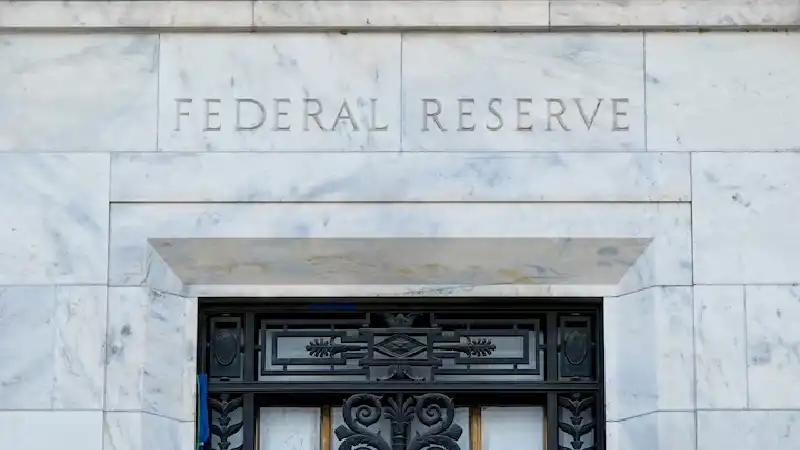
In the United States, the Federal Reserve maintained its benchmark rate but adopted a more cautious tone, indicating that inflation pressures linked to higher energy costs may not be temporary. Markets have adjusted accordingly, with expectations for rate cuts largely fading and some probability now assigned to future rate increases. Similar patterns are emerging in Europe and the United Kingdom, where central banks have also held rates steady while warning of persistent inflation risks. Investors are now anticipating that policy tightening could resume if price pressures intensify further in the coming months.
Elsewhere, the Reserve Bank of Australia has already moved ahead with rate increases, highlighting its concern over rising inflation linked to the global energy shock. Other central banks, including those in Canada and New Zealand, have indicated that they remain prepared to act if necessary. In the euro zone, expectations for potential rate hikes have strengthened, with markets adjusting forecasts to reflect a more aggressive stance compared to earlier in the year. These developments point to a coordinated shift among policymakers toward a more defensive approach in response to external economic pressures.
The broader market reaction reflects uncertainty about how long the inflationary impact of the conflict will persist. Rising oil prices are feeding into production costs and consumer prices, creating a challenging environment for central banks already managing complex economic conditions. Policymakers are increasingly focused on preventing inflation expectations from becoming entrenched, which could require maintaining higher interest rates for an extended period. At the same time, concerns about economic slowdown remain, adding to the difficulty of policy decisions in an environment shaped by both geopolitical and financial instability.
Looking ahead, central banks are expected to remain data dependent while closely monitoring developments in energy markets and global supply chains. Investors are preparing for continued volatility as monetary policy expectations evolve alongside geopolitical risks. The possibility of further rate hikes has become a central theme in financial markets, influencing bond yields, currency movements and equity performance. As the situation develops, the balance between inflation control and economic stability will remain a key focus for policymakers navigating one of the most uncertain periods in recent years.