October 28, 2025
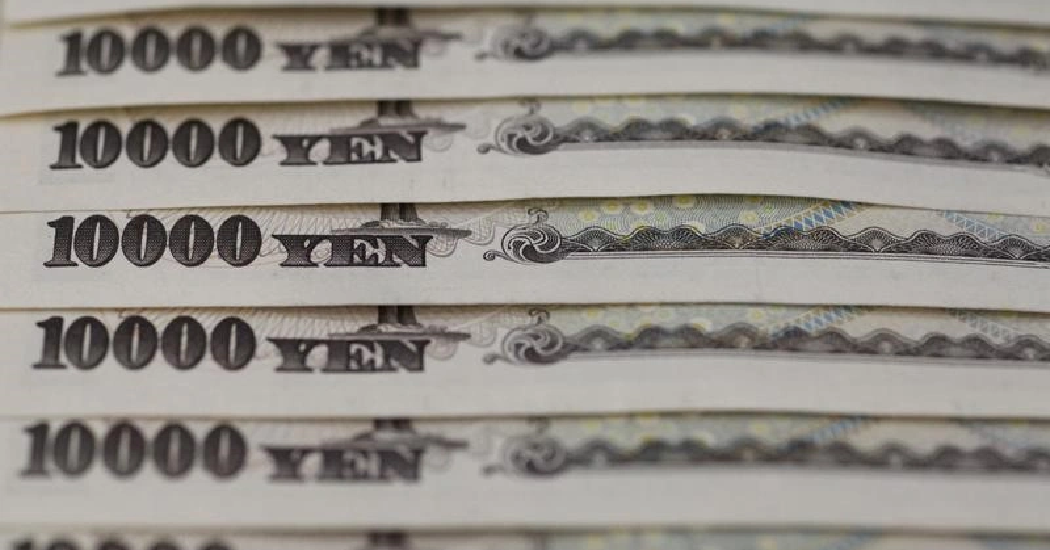
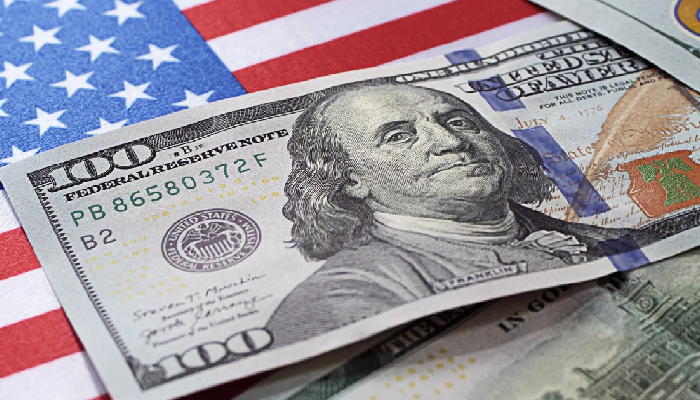
Global central banks are accelerating efforts to diversify their foreign reserves, shifting portions of their portfolios away from the U.S. dollar and into gold, yuan, and tokenized sovereign assets, according to recent data from the IMF, BIS, and Reuters reports. The move reflects a strategic response to growing concerns about U.S. fiscal imbalances, geopolitical tensions, and the long-term sustainability of dollar-based monetary dominance.
The IMF’s Currency Composition of Official Foreign Exchange Reserves (COFER) data shows that the dollar’s share of global reserves has declined to 57.1%, its lowest level in over two decades, down from nearly 72% in the early 2000s. While the greenback remains the primary reserve currency, emerging economies are increasingly allocating to alternative assets such as the Chinese yuan, euro, and gold, alongside experiments with blockchain-based reserve tokens.
According to the Bank for International Settlements, several central banks, notably in Asia, the Middle East, and Latin America, are testing tokenized government bond platforms that allow real-time settlement and cross-border liquidity management. These pilots, the BIS noted, could mark the next stage of sovereign digital finance, where stable, asset-backed blockchain instruments supplement traditional reserve management.
In the past year alone, official gold purchases by central banks have reached a 12-year high, led by China, India, Turkey, and Saudi Arabia. Analysts interpret the trend as both a hedge against inflation and a diversification strategy amid rising U.S. debt and interest rate volatility. Reuters reported that several Gulf economies are also exploring energy-linked reserve assets priced in non-dollar currencies, as part of broader de-dollarization initiatives.
Despite the diversification drive, the dollar remains deeply embedded in global trade and finance. Over 80% of international transactions still settle in dollars, and U.S. Treasuries remain the benchmark for global liquidity and safety. However, the gradual buildup of yuan-denominated reserves and gold-backed digital instruments signals a shift toward a more multipolar monetary order, where confidence is distributed among several stable assets rather than concentrated in one.
Economists caution that this evolution will unfold gradually, shaped by technology adoption, geopolitical alignments, and financial stability outcomes. Yet the momentum toward diversification is unmistakable. As the IMF observed in its 2025 Fiscal Monitor, “The resilience of the international system will increasingly depend on interoperability among currencies not just the strength of one.”
For now, the dollar’s dominance endures but its uncontested era appears to be giving way to a new phase of strategic monetary pluralism.