Central Bank Announces USD Exchange Rate Adjustment
The Central Bank of Armenia (CBA) has reported a decrease in the USD exchange rate following recent fluctuations in currency markets. The adjustment reflects the central bank’s ongoing efforts to stabilize the Armenian dram and mitigate the effects of global economic pressures, particularly the persistent strength of the U.S. dollar. Analysts view the measure as a proactive approach to maintain domestic financial stability and support investor confidence.
Domestic Economic Background
Armenia’s economy has remained resilient amid external pressures. Consumer spending has continued at a steady pace, industrial production has grown moderately, and exports have shown recovery in key sectors such as technology and agriculture. However, the dram faced depreciation pressures due to capital outflows and strong demand for the U.S. dollar. Analysts highlight that the CBA’s adjustment is intended to anchor market expectations, ensuring that currency fluctuations do not disrupt economic activity or increase costs for import-dependent sectors.
Mechanisms of Exchange Rate Management
The CBA employed a combination of foreign exchange interventions and policy guidance to influence the USD/AMD rate. Measures included targeted sales of foreign currency reserves and coordination with commercial banks to ensure liquidity and orderly market operations. Analysts note that these interventions are designed to be temporary, aiming to stabilize short-term volatility without altering long-term monetary policy objectives. Clear communication from the central bank has been critical in managing market expectations and reducing speculative pressures.
Impact on the Armenian Dram
The decrease in the USD exchange rate has provided relief to the Armenian dram, which had faced upward pressure due to capital outflows and global dollar strength. The adjustment has helped moderate import costs and maintain price stability, particularly for essential goods and services. Analysts emphasize that stabilizing the dram supports business planning, corporate investment, and household consumption, reducing uncertainty in both domestic and international transactions.
Investor and Market Reaction
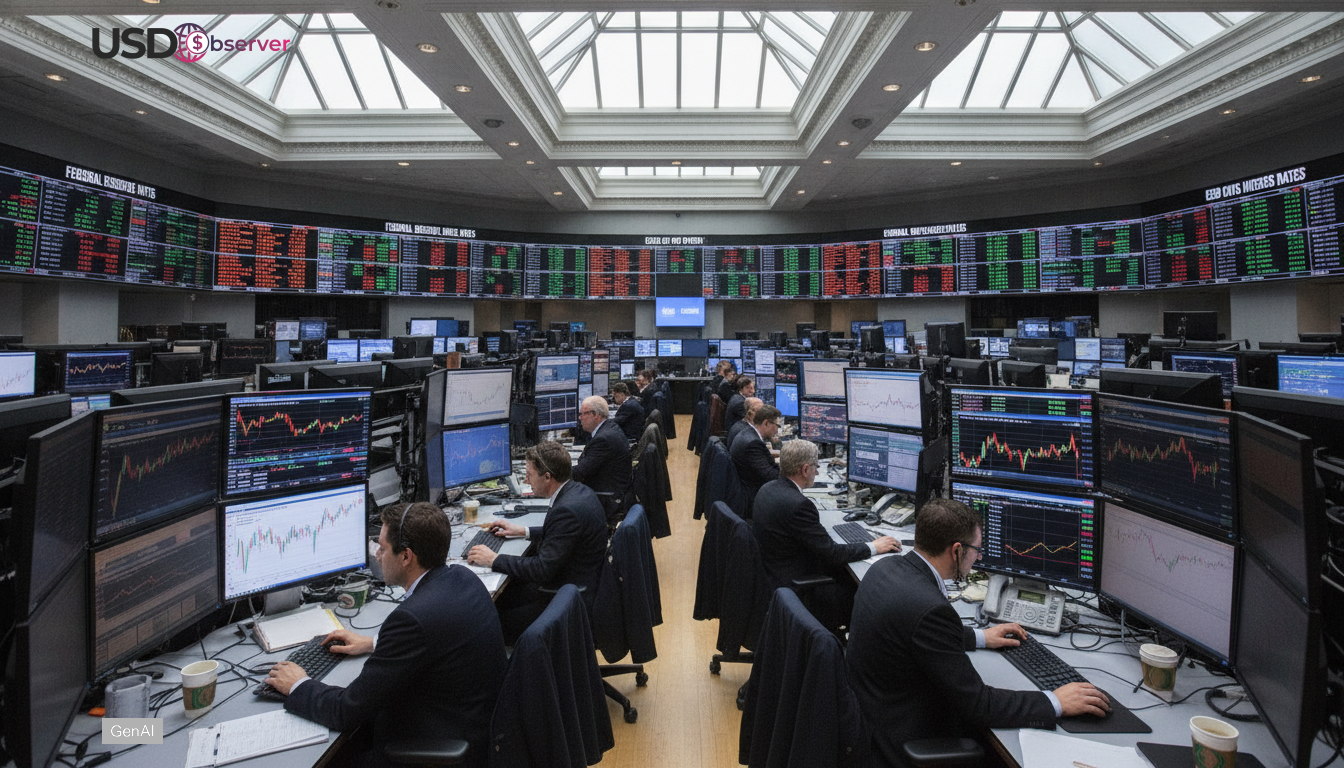
Financial markets reacted positively to the central bank’s announcement. Forex trading stabilized, and volatility in USD/AMD pairs decreased, signaling increased investor confidence. Analysts note that transparent policy actions and clear communication are crucial in reinforcing trust in monetary authorities. Both domestic and international investors responded by adjusting positions, reflecting confidence in the CBA’s capacity to manage currency fluctuations and preserve macroeconomic stability.
Global Dollar Influence
The strength of the U.S. dollar continues to influence Armenia’s currency dynamics. Robust U.S. economic data, including steady consumer spending, moderate inflation, and resilient labor markets, have increased demand for dollar-denominated assets. Emerging market currencies, including the dram, are sensitive to these trends, and central bank interventions are necessary to mitigate the impact. Analysts emphasize that active management of the USD/AMD exchange rate helps prevent excessive depreciation and maintains stability for domestic financial institutions.
Policy Coordination and Central Bank Autonomy
The CBA has emphasized that its actions are independent and designed to maintain market stability rather than responding to external pressures. Analysts note that autonomy in monetary policy allows the central bank to implement targeted measures, including reserve management and liquidity adjustments, without undue influence. Coordinated monitoring of currency markets, capital flows, and domestic economic indicators is essential to ensure that interventions achieve the desired outcomes.
Sectoral Implications
Stabilization of the USD/AMD rate has implications for multiple sectors of the Armenian economy. Import-dependent industries, including energy, manufacturing, and construction, benefit from reduced currency volatility, which helps manage input costs. Export-oriented businesses also gain from predictable exchange rates, enabling accurate pricing and strategic planning. Analysts highlight that stable currency conditions enhance overall economic efficiency and reduce operational risk for domestic firms.
Inflation and Price Stability
Currency stabilization is closely tied to controlling inflation. Depreciation of the dram can increase import costs and feed into consumer prices. By adjusting the USD exchange rate, the CBA mitigates potential inflationary pressures, supporting price stability across the economy. Analysts emphasize that this approach enables the central bank to maintain monetary discipline while protecting households and businesses from adverse currency shocks.
Outlook for the Armenian Dram
Looking ahead, the dram’s trajectory will depend on global dollar trends, domestic economic performance, and continued central bank interventions. Analysts anticipate that the CBA will maintain proactive monitoring of capital flows, trade balances, and currency market conditions to ensure stability. Further interventions may be implemented if external pressures intensify, with transparent communication remaining a key factor in sustaining market confidence.
Cross-Border Trade Considerations
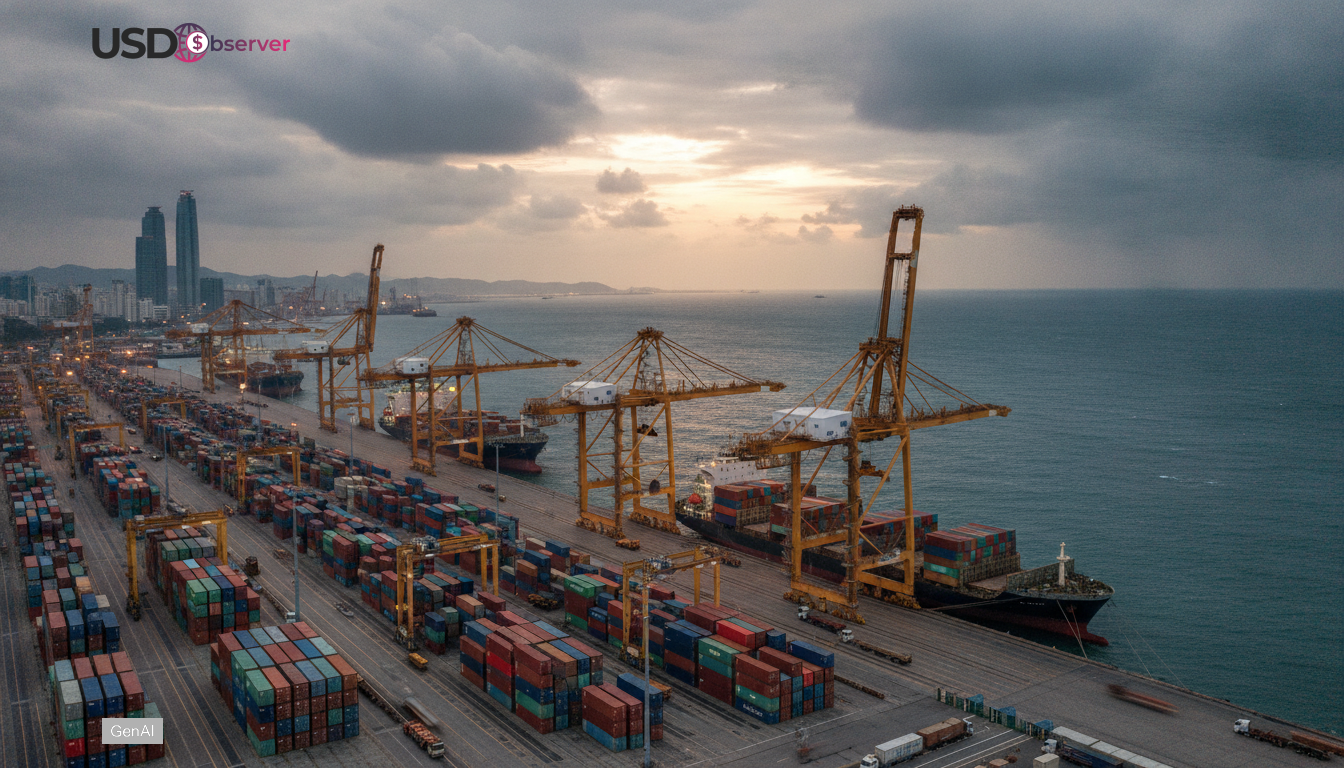
The adjustment in the USD/AMD rate has implications for trade and international transactions. Predictable exchange rates facilitate smoother cross-border payments, reduce transaction risks, and improve competitiveness for Armenian exporters. Importers benefit from more stable costs for goods and raw materials. Analysts note that currency stability is essential for maintaining balanced trade and supporting sustained economic growth in an open economy like Armenia.
Conclusion
The Central Bank of Armenia’s report of a decreased USD exchange rate demonstrates proactive management of currency volatility amid global economic pressures and strong U.S. dollar performance. By stabilizing the dram, the CBA supports financial market confidence, mitigates inflationary risks, and ensures predictable conditions for trade and investment. Analysts emphasize that ongoing monitoring, clear communication, and timely interventions are essential to sustaining economic stability. Armenia’s experience underscores the importance of central bank autonomy and strategic monetary management in maintaining currency and macroeconomic resilience in a globally interconnected financial system.