Reserve & Debt
US Dollar Reserve Currency Role Under Fresh Scrutiny
US Dollar Reserve Currency dominance is being tested by shifting trade invoicing, stablecoin demand, and central bank policy signals across markets today.


US Dollar Reserve Currency dominance is being tested by shifting trade invoicing, stablecoin demand, and central bank policy signals across markets today.

Markets are watching the US dollar international role swing as trade invoicing, reserves and payment rails shift, testing global liquidity and policy.

In 2025, the U.S. Dollar reserve currency shapes trade, funding, and policy signals. We break down the Fed report and what markets watch next.
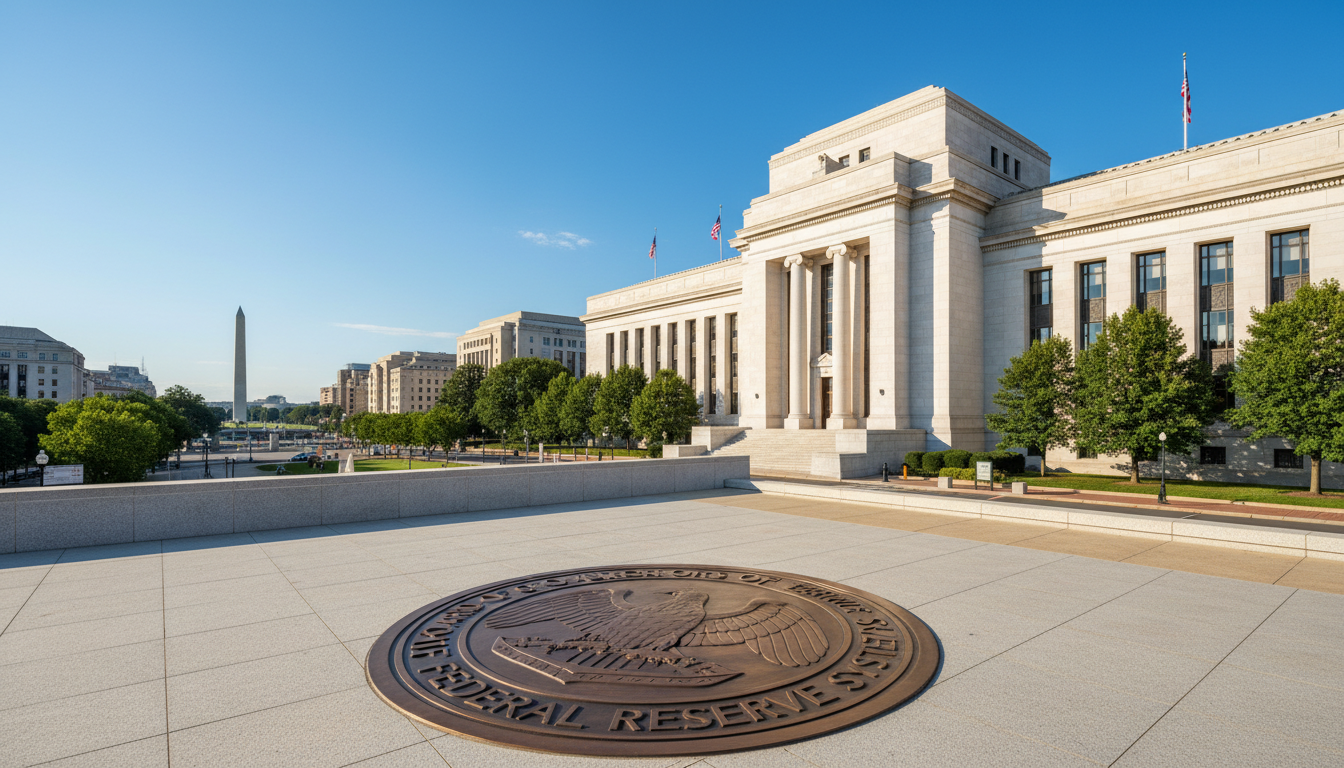
A data driven analysis of the U.S. Dollar reserve currency role, the forces sustaining it, mounting challenges, and what global markets may signal next.

The US Treasury market remains the core collateral base of the global financial system. From central bank reserves to repo markets and sovereign wealth portfolios,
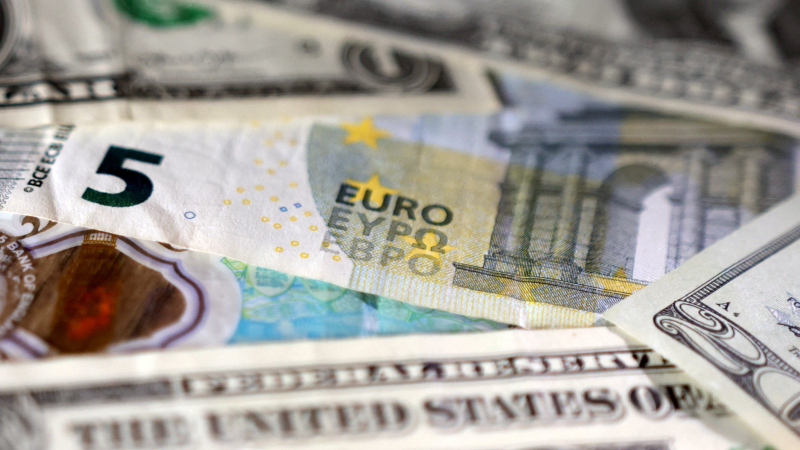
Central banks are gradually adjusting the composition of their foreign exchange reserves, with incremental increases in euro, yuan, and gold allocations reflecting a long-term diversification

For decades, sovereign reserve management followed a relatively stable formula. Central banks accumulated US dollars through trade surpluses, invested heavily in Treasuries, and relied on

Global debt levels continue to rise as governments navigate slower growth, higher interest costs, and limited fiscal flexibility. While mounting debt is often framed as

Global sovereign debt levels continue to climb as governments enter 2026 managing slower growth, higher interest costs, and limited fiscal flexibility. Many economies expanded borrowing

As global borrowing levels continue to climb, the balance between debt sustainability and financial stability has become a central concern for policymakers in 2026. Governments