Global Economy
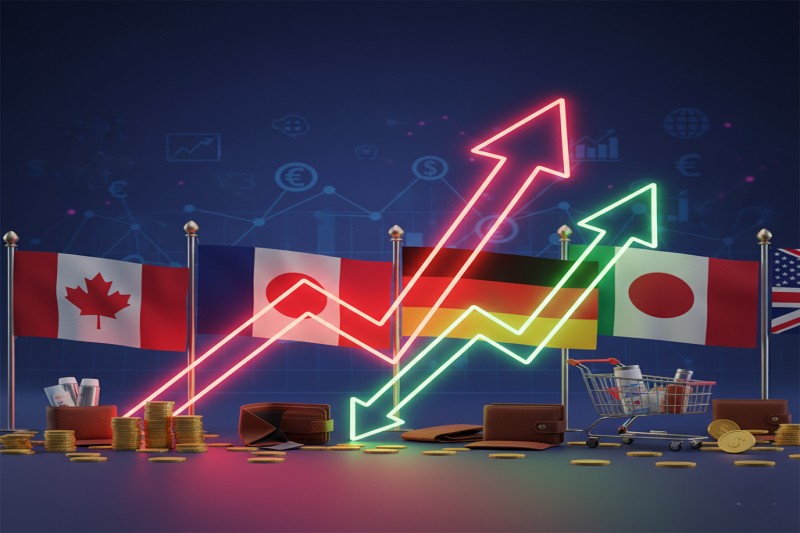
Inflation in G7 Economies Declines Below 4%
Introduction As of September 2025, core inflation, the measure excluding volatile food and energy prices, has remained around 3% across the G7 economies, according to


Introduction As of September 2025, core inflation, the measure excluding volatile food and energy prices, has remained around 3% across the G7 economies, according to

Introduction In September 2025, foreign portfolio inflows into emerging markets (EMs) experienced a significant decline, dropping to just over $26 billion, the lowest level since

Introduction In August 2025, the U.S. federal budget deficit experienced a modest reduction of $35 billion compared to the same period last year, bringing the

Introduction The divergence between the European Central Bank and the U.S. Federal Reserve has emerged as a key factor influencing global financial markets in the

Introduction The third quarter of 2025 has highlighted an intriguing development in global reserve management, with central banks increasingly gravitating toward U.S. dollar-denominated assets. According
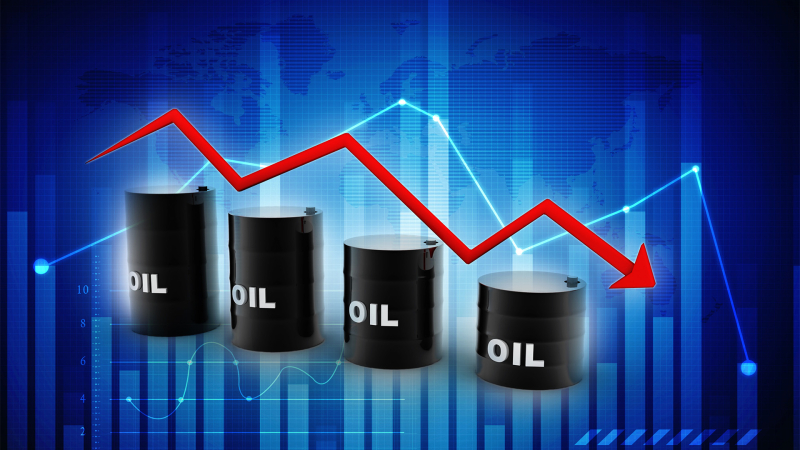
Introduction In early October 2025, oil prices experienced a notable uptick following OPEC+’s decision to implement a modest increase in production. This move has reignited

Introduction The U.S. Federal Reserve’s recent meeting minutes have reaffirmed its commitment to controlling inflation as the foremost objective of its monetary policy. While the

Introduction: The U.S. dollar has recently gained momentum, reflecting the impact of key economic data and investor sentiment on global currency markets. After periods of

Introduction: China’s recent trade slowdown has raised concerns about the resilience of the U.S. dollar, as the world’s second-largest economy struggles to maintain export momentum

Introduction: The U.S. bond market has recently experienced notable volatility, raising concerns among investors, policymakers, and economists about the sustainability of the nation’s debt. Treasury