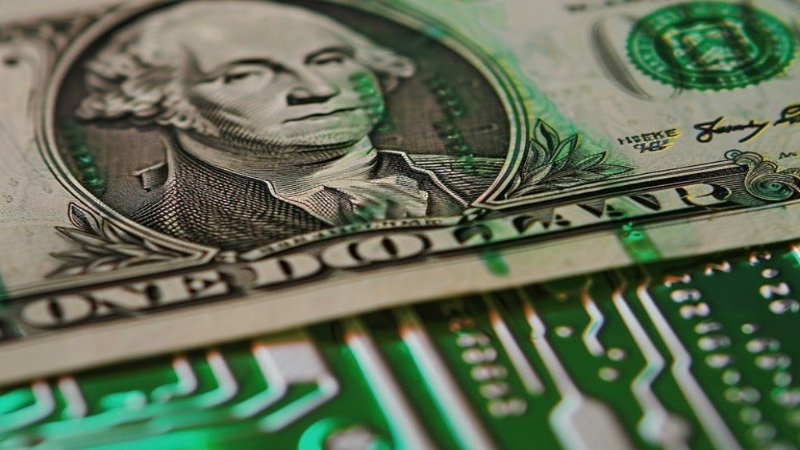
Stablecoins Are Expanding Dollar Reach Without Expanding Supply
The global role of the US dollar is evolving in a way that does not rely on traditional monetary expansion. Instead of increasing physical currency

The global role of the US dollar is evolving in a way that does not rely on traditional monetary expansion. Instead of increasing physical currency

Tokenization has often been framed as the next big innovation cycle in finance. Headlines focus on new assets, pilot projects, and market experimentation. Yet this

Stablecoins have long been viewed as a bridge between digital assets and traditional finance. Their primary role was transactional, enabling faster settlement and reduced volatility

Stablecoins were once viewed primarily as tools for crypto traders. They provided a way to move between volatile assets without exiting digital markets. That role
For years, stablecoins were viewed mainly through the lens of crypto speculation. Growth was often associated with trading volumes, market cycles, and risk appetite. That

Digital dollars were once discussed primarily as experiments. Early conversations focused on innovation, disruption, and the potential to transform finance overnight. That phase has passed.

Central banks are known for caution, not experimentation. Yet across major jurisdictions, monetary authorities are quietly testing tokenized forms of reserves and settlement assets. These

Bitcoin’s price swings in 2025 have puzzled many observers. Large moves have occurred without clear catalysts, while major headlines have sometimes produced muted reactions. This

Real world asset tokenization has moved beyond theory and pilot projects. From commodities to collectibles and financial claims, assets that once lived entirely offline are

Tokenization has spent years on the edge of mainstream finance, often discussed more than deployed. That changed when a major global bank moved tokenized money