Inflation discussions entering 2026 remain heavily focused on demand. Markets debate whether consumers will slow, whether growth will soften, and whether easing price pressures will continue as spending normalizes. This framing reflects habits formed over decades, where excess demand was the primary source of inflationary pressure.
The current cycle is different. Inflation risks in 2026 are increasingly driven by capacity constraints rather than demand surges. Even moderate growth is colliding with limited production flexibility, strained infrastructure, and rigid labor supply. This makes inflation less responsive to cooling demand and more sensitive to structural bottlenecks.
Capacity Constraints Are the Binding Limit on Price Stability
The most important inflation risk in 2026 is the limited ability of economies to expand supply. Production capacity in key sectors has not kept pace with structural shifts in demand. Energy systems, logistics networks, skilled labor pools, and critical manufacturing segments all face constraints that restrict output growth.
When capacity is tight, even stable or modest demand can generate upward price pressure. Firms raise prices not because customers are spending aggressively, but because supply cannot respond efficiently. This dynamic creates inflation that is persistent rather than cyclical.
Unlike demand driven inflation, capacity driven inflation does not resolve quickly when growth slows. It requires investment, time, and policy coordination to ease.
Investment Lags Are Reinforcing Supply Rigidity
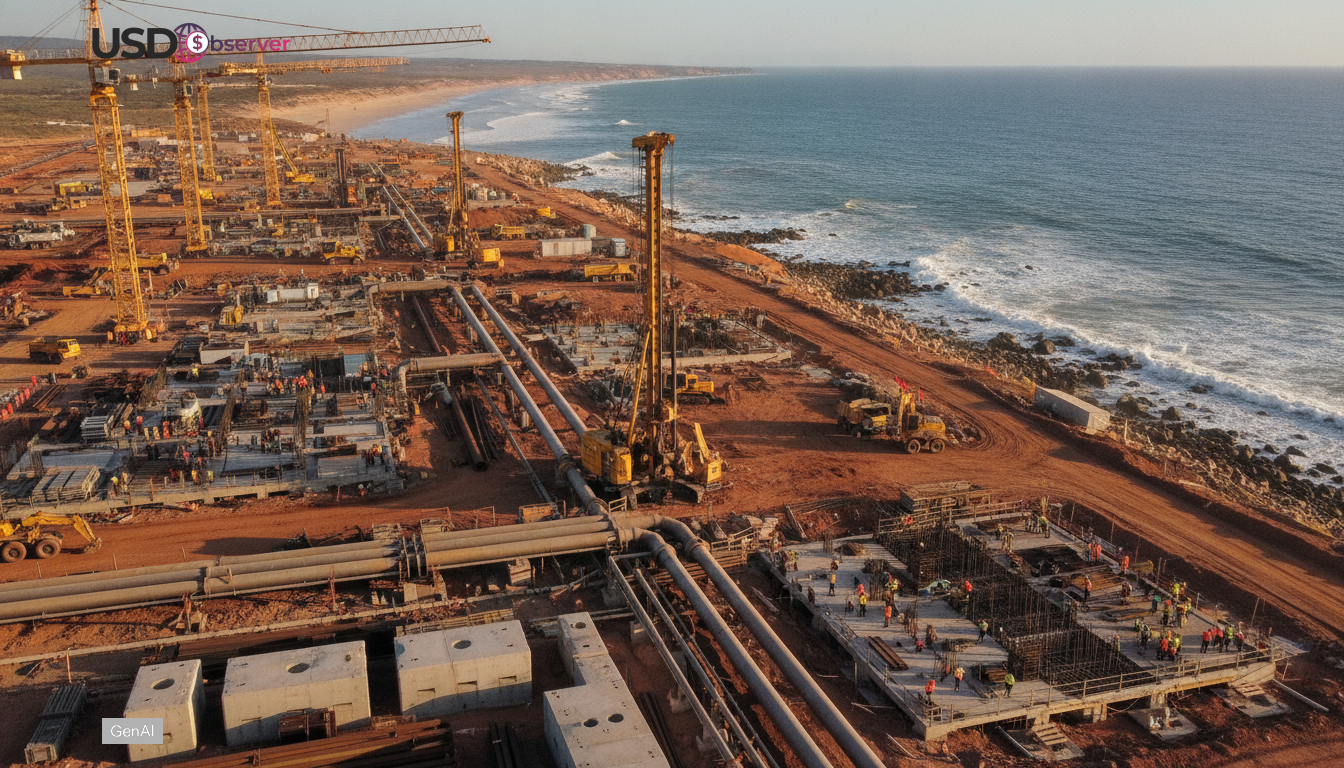
One reason capacity constraints remain acute is the lag between investment decisions and productive output. While investment has increased in areas such as energy, infrastructure, and manufacturing, these projects take years to come online. In the meantime, capacity remains fixed.
Higher interest rates further complicate this process. Even when long term investment is needed, financing costs limit how quickly firms can expand. This slows capacity growth precisely when economies need flexibility to absorb shocks.
As a result, supply remains tight even as demand normalizes. Inflation pressures persist because the system lacks elasticity.
Labor Supply Is a Structural Constraint
Labor markets are another source of capacity pressure. In many economies, labor force growth has slowed due to demographics, skill mismatches, and participation challenges. Firms struggle to find workers with the right expertise, limiting their ability to scale output.
This constraint feeds directly into wages and services inflation. Even without strong demand growth, competition for labor pushes costs higher. Unlike cyclical wage pressure, this reflects structural scarcity rather than overheating.
Labor related capacity limits are especially difficult to resolve quickly. Training, immigration policy, and demographic trends operate on long timelines, making labor a persistent inflation risk in 2026.
Energy and Logistics Remain Bottlenecks
Energy and logistics capacity also play a critical role. Energy transition efforts, while necessary, have created periods of constrained supply as systems adjust. At the same time, global logistics networks remain vulnerable to disruption and congestion.
These bottlenecks raise input costs across industries. Transportation, power, and raw materials become inflation transmission channels even when final demand is stable. Prices rise because costs cannot be absorbed through efficiency gains.
This reinforces the idea that inflation pressure is embedded in the production process rather than driven by consumption behavior.
Why Demand Slowdowns May Not Cool Inflation Quickly
A key implication of capacity driven inflation is that slowing demand may not deliver the expected relief. When inflation originates from supply limits, reduced demand can dampen growth without fully easing price pressure. This creates a challenging tradeoff for policymakers.
Central banks may find that restrictive policy slows activity but leaves inflation uncomfortably above target. Fiscal authorities face similar constraints, as stimulus withdrawal does not expand capacity.
This dynamic helps explain why inflation progress feels uneven. Prices ease in some areas while remaining stubborn in others, reflecting where capacity constraints are most binding.
Implications for Policy and Markets in 2026
For policymakers, recognizing capacity constraints as the primary inflation risk requires a broader toolkit. Monetary policy alone cannot resolve supply limitations. Structural investment, labor market reforms, and infrastructure development become central to price stability.
For markets, this means inflation risk is less cyclical and more structural. Traditional signals tied to demand may underestimate persistence. Asset pricing must account for the possibility that inflation remains elevated even in slower growth environments.
Understanding where capacity is constrained provides better insight than tracking aggregate demand alone. Inflation in 2026 is about limits, not excess.
Conclusion
In 2026, inflation risk is driven less by demand surges and more by capacity constraints across labor, energy, logistics, and production. These limits make inflation more persistent and less responsive to slowing growth. Recognizing this shift is essential for interpreting price dynamics, policy decisions, and market behavior in the current cycle.