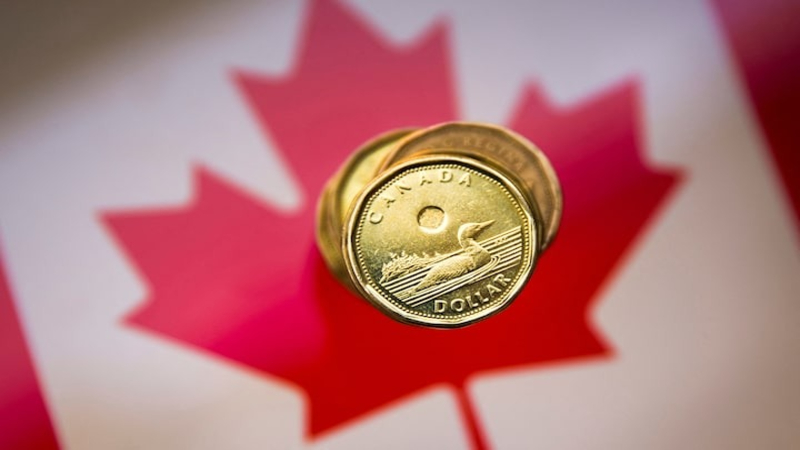
The Canadian dollar strengthened to a four week high against the U.S. dollar after Canada’s latest economic figures showed growth far exceeding expectations, prompting investors to scale back assumptions for additional monetary easing. The sharp improvement in third quarter GDP, driven largely by higher crude oil exports and increased government spending, has led markets to reassess how aggressively the Bank of Canada may continue cutting rates next year. With the economy expanding at an annualized pace well above forecasts, traders responded by reducing bets on deeper easing, lifting the currency and narrowing its recent valuation gap. The U.S. dollar’s own softness in recent sessions, driven by rising confidence in a December rate cut from the Federal Reserve, added further support to the loonie. Moves like these attract close attention from FX analysts because stronger Canadian data paired with weakening U.S. expectations can shift near term demand for dollar positions across North American markets.
As the loonie advanced, markets also saw a rise in Canadian bond yields across the curve, indicating renewed confidence in the domestic outlook. The stronger growth reading contrasted sharply with prior concerns about uneven economic momentum, particularly in areas such as business investment and consumer spending. The upbeat GDP figure signals that Canada may not require the same degree of policy support that investors previously assumed, at least in the near term. Analysts point to Canada’s energy sector as a continued driver, with oil prices firming amid geopolitical tensions and peace negotiations in Eastern Europe. For the USD, this dynamic is notable because periods of relative strength in commodity linked currencies can highlight shifts in global risk appetite and influence hedging flows. When expectations of U.S. easing grow while other central banks adopt a more cautious stance, the resulting policy divergence can place downward pressure on the dollar.
Market strategists emphasized that although the Canadian dollar has room to strengthen further, its longer term trajectory will hinge on consistent economic stabilization and progress on trade negotiations under the United States Mexico Canada Agreement. With the agreement scheduled for review in 2026, its future terms remain an important factor for exporters and for the currency’s valuation. Meanwhile, investors are closely watching whether U.S. data will confirm the recent softening trend that has pushed expectations toward a December rate cut. If U.S. releases continue to signal slower activity, the dollar may face additional pressure, particularly against currencies supported by stronger fundamental readings. The loonie’s performance this week reflects a broader pattern in which stronger than expected regional data can significantly influence cross border currency positioning. As year end approaches, the balance between domestic growth stories and shifting expectations for U.S. monetary policy will remain central to USD movements across global markets.