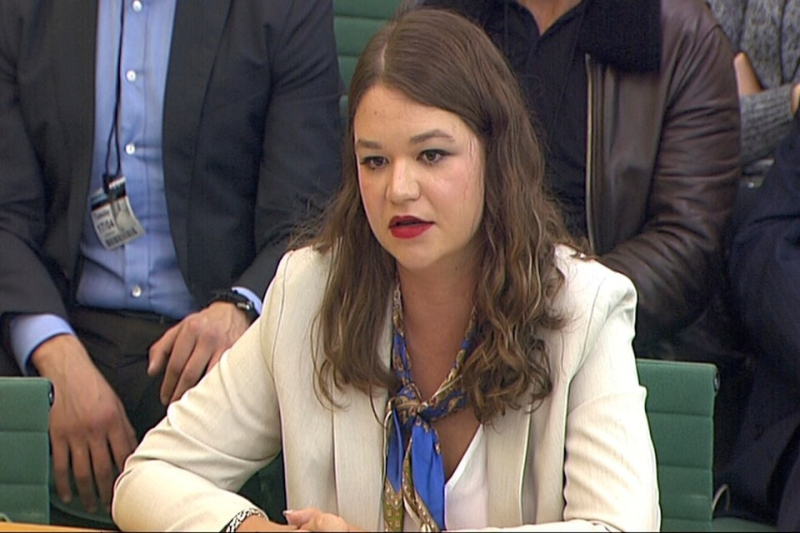
Brittany Kaiser became widely known after exposing how personal data was used in political campaigns, but her path into the global debate over digital privacy began long before the Cambridge Analytica scandal. The activist and technology entrepreneur says her early career was shaped by a combination of political involvement, legal training and growing interest in how technology influences democracy. Her experience reflects a broader transformation in the relationship between data, political campaigns and digital platforms. As governments around the world continue to regulate data use and online privacy, Kaiser’s story highlights how the intersection of technology and politics has reshaped global discussions about ethics, transparency and digital rights.
Kaiser first became involved in activism while working with environmental advocacy groups in the United States, where she campaigned against industrial pollution affecting waterways in the Midwest. That work introduced her to the mechanics of grassroots political organizing and public engagement. As a teenager she became interested in electoral politics and began volunteering and interning on political campaigns. Her early experiences included supporting major Democratic campaigns in the early 2000s, where she helped reach undecided voters and organize political outreach. Those experiences strengthened her understanding of how messaging, communication and voter engagement could influence political outcomes.
Her academic and professional journey later expanded into international politics and human rights law. While studying in the United Kingdom she focused on issues such as refugee law, migration and international legal frameworks. During this period she also spent time working in North Africa, where she helped organize conferences and diplomatic events focused on political and legal developments across the region. Living in Libya during a period of major political transition gave her firsthand exposure to geopolitical instability and the role of information in shaping public perception. The experience deepened her interest in the growing influence of technology within political systems.
Kaiser’s career took a major turn when she joined Cambridge Analytica, a data analytics firm that used digital information to build detailed voter profiles and influence political campaigns. She helped the company expand its operations internationally and develop a global network of staff and clients. However her experience inside the company raised serious ethical concerns about how personal data collected from social media platforms was being used. Kaiser began questioning whether some of the practices she witnessed were ethically acceptable and whether they complied with existing legal frameworks governing privacy and data protection.
After leaving the company she became a central figure in exposing how millions of social media profiles had been used without consent to influence political behavior. The revelations triggered global investigations and accelerated debates about how technology companies handle user data. Governments across Europe and North America began strengthening privacy regulations and exploring stricter oversight of digital platforms. Kaiser later shifted her focus toward promoting stronger data protection standards and developing technologies designed to enhance user privacy and encryption.
Today she continues to work in the technology sector while advocating for clearer legal frameworks around digital rights and data ownership. Her work increasingly focuses on encryption technology and blockchain based systems designed to give individuals greater control over their personal information. Kaiser says the technology industry remains a complex environment where legal boundaries and ethical responsibilities often evolve faster than regulation. Her experience has made her an outspoken advocate for transparency and accountability in how companies manage digital data and influence political communication.