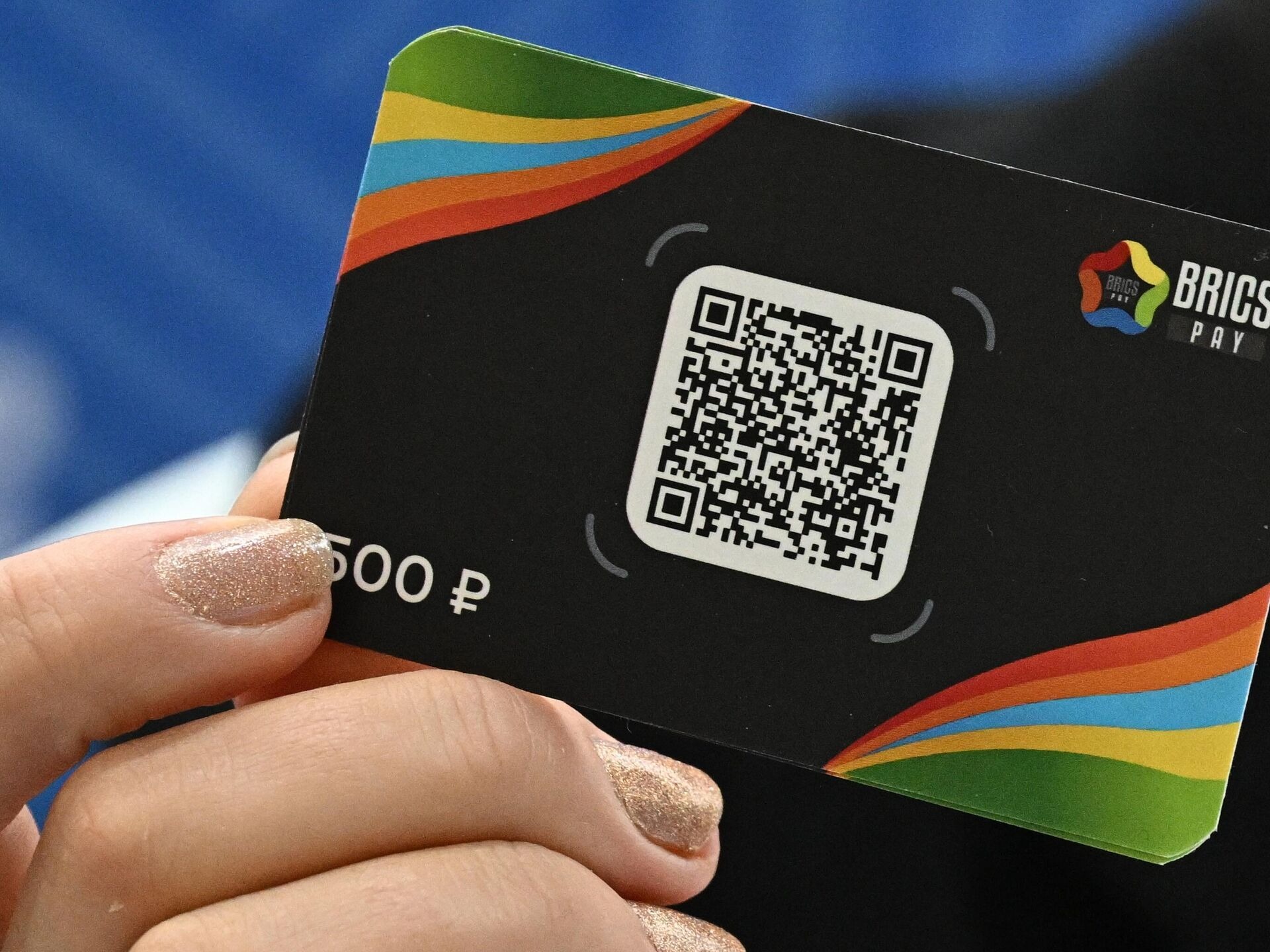
Finance ministers from BRICS nations are intensifying efforts to establish a new cross-border payment framework that could operate outside of the U.S.-dominated SWIFT system. The initiative, which has been under quiet development for several years, aims to increase financial autonomy, support local-currency trade, and reduce dependence on the dollar in global settlements.
The proposed system reflects both technological ambition and geopolitical intent. While its immediate reach may be limited, it signals a growing desire among emerging economies to develop digital alternatives that enhance transaction speed and resilience. Still, the dollar-centric financial network remains deeply entrenched, and any parallel system faces significant barriers to scale and trust.
BRICS Seeks Financial Independence Through Innovation
The BRICS bloc representing over 40 percent of the world’s population and roughly one-quarter of global GDP has long sought to reduce reliance on Western financial infrastructure. The push for a new payment system is part of a broader strategy to strengthen economic coordination and support trade in national currencies.
Officials have emphasized that the new framework will not replace existing systems overnight but will serve as a complementary mechanism for settlements among member states. Early proposals suggest that it would leverage blockchain-based technologies to improve transparency, security, and transaction efficiency.
By enabling direct settlement between central banks and commercial institutions, BRICS nations aim to lower transaction costs and avoid disruptions tied to geopolitical sanctions or policy shifts. For countries facing recurring liquidity stress, an alternative network could provide critical flexibility.
The Role of Digital Currencies and Regional Platforms
A central feature of the BRICS payment project is the integration of central-bank digital currencies, or CBDCs. Each member nation is exploring its own digital-currency infrastructure, and interoperability between these systems is a key design goal. A shared settlement layer could allow cross-border transfers in real time without the need for intermediary banks.
China’s progress with the digital yuan provides a technological model. Meanwhile, India and Brazil are advancing pilot programs to test domestic digital payment rails that could eventually connect to a wider network. Russia has also accelerated its efforts to develop alternative payment routes as it remains partially excluded from Western banking channels.
The potential combination of blockchain technology and sovereign digital currencies offers a pathway to efficiency and autonomy. Yet questions remain about governance, data privacy, and cross-jurisdictional compliance. Building trust among participants will be just as critical as building the technology itself.
Limits to De-Dollarization and Global Integration
Despite the growing ambition of BRICS, the dollar’s role in global finance is unlikely to fade soon. More than 80 percent of international transactions still pass through SWIFT, and the network’s established compliance protocols make it indispensable for global banking.
Even if the BRICS payment platform becomes operational, its usage will initially be confined to a narrow range of bilateral or regional transactions. Businesses and investors will continue to rely on the dollar for trade financing, reserves, and risk management. Liquidity depth, legal predictability, and institutional transparency continue to favor the existing system.
Moreover, building a shared cross-border system among nations with different regulatory frameworks and capital-control regimes poses immense challenges. Ensuring interoperability without compromising national financial sovereignty is a complex technical and political balancing act.
Nevertheless, incremental progress could still reshape regional finance. Wider adoption of local-currency settlements among BRICS members would gradually reduce exposure to dollar volatility, enhancing resilience against external shocks.
Implications for Global Fintech and Policy Evolution
The BRICS initiative reflects how financial innovation is increasingly merging with geopolitics. Fintech is becoming a tool for nations to assert independence and manage systemic risks tied to currency concentration. By investing in payment infrastructure, emerging economies aim to create parallel networks that reduce reliance on Western clearing systems.
For global fintech firms and central banks, the trend underscores the importance of interoperability and data standards. A multipolar payment ecosystem could spur innovation in cybersecurity, digital-identity verification, and settlement efficiency. It may also accelerate the development of global rules for digital-currency exchange and anti-money-laundering compliance.
From a policy perspective, BRICS efforts could complement rather than replace the dollar system in the near term. As more nations experiment with digital currencies and decentralized ledgers, the lessons learned could inform modernization efforts across existing global institutions. In time, the coexistence of multiple settlement frameworks might enhance redundancy and stability in international finance.
Conclusion
The BRICS push for a payment system beyond SWIFT highlights the convergence of technology, strategy, and sovereignty in global finance. While the dollar’s dominance remains secure for now, emerging-market innovation is redefining how cross-border settlements evolve. If the BRICS digital-currency network succeeds in creating efficient, trusted pathways for trade, it could mark the beginning of a more diversified financial era one where technology, not geography, shapes the flow of money.