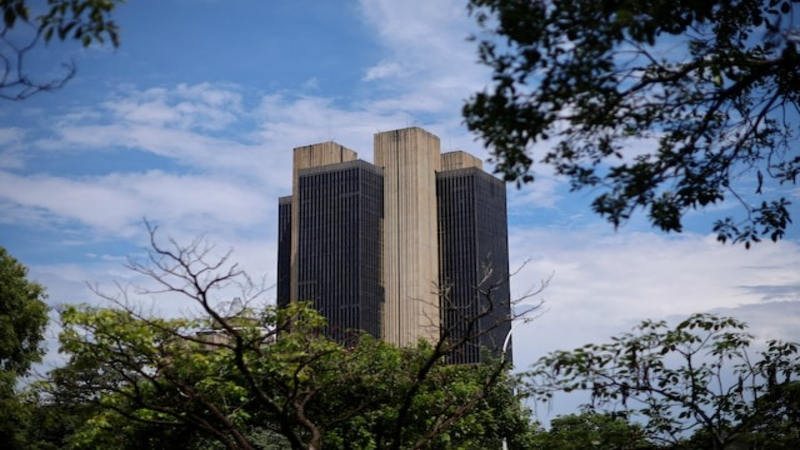
Brazil’s central bank maintained a cautious stance as policymakers emphasized flexibility ahead of upcoming rate decisions, even as expectations of future easing begin to surface. With the benchmark interest rate held at elevated levels, officials reiterated a commitment to data dependence rather than forward guidance, underscoring uncertainty around inflation dynamics and external conditions. The messaging reflects an effort to preserve policy credibility at a time when global financial conditions remain sensitive to shifts in US rates and dollar liquidity. For markets, Brazil’s approach highlights the balancing act faced by emerging economies that must manage domestic inflation pressures while remaining exposed to global capital flows and currency volatility linked to changes in international monetary policy.
Despite political optimism around lower borrowing costs, the central bank has avoided signaling a clear timeline for easing. Policymakers stressed that no single indicator, including inflation projections, would dictate decisions, reinforcing a broad based assessment of price stability, growth, and financial conditions. This stance has kept market expectations divided over the timing of an eventual rate cut, with some investors positioning for early easing while others expect a longer pause. The uncertainty has implications for Brazil’s yield curve and capital inflows, as high real rates continue to support carry trade demand even as investors watch for signs of a policy pivot that could alter risk appetite toward local assets.
From a macro perspective, Brazil’s policy posture remains closely tied to global dynamics. Elevated US interest rates and cautious Federal Reserve signaling have limited room for aggressive easing across emerging markets. By keeping options open, Brazil’s central bank aims to avoid destabilizing capital flows that could pressure the currency or complicate inflation control. Inflation projections that hover near target levels offer some justification for future easing, but officials appear intent on avoiding premature moves that could undermine confidence. This restraint has helped anchor expectations, even as political leaders express confidence that borrowing costs will eventually decline.
For currency and reserve watchers, Brazil’s stance reinforces the importance of policy credibility in maintaining external stability. High interest rates have supported the real by attracting foreign capital, but the sustainability of that support depends on disciplined communication and consistency with inflation outcomes. As markets look ahead, attention will focus on incoming data and global rate trends to gauge how quickly Brazil can pivot without risking volatility. The central bank’s refusal to pre commit suggests a preference for gradualism, aligning with broader emerging market efforts to navigate an environment shaped by dollar strength, shifting global liquidity, and uneven disinflation across major economies.