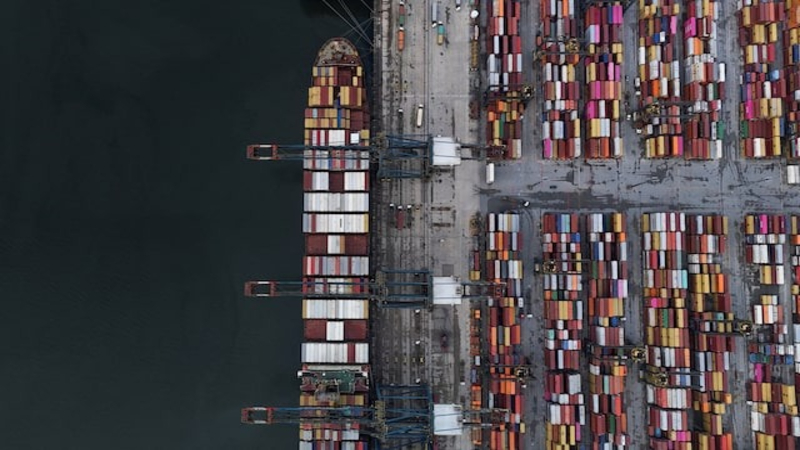
Brazil is entering the new year with confidence in its external trade position after outperforming official forecasts in the previous cycle. Authorities expect the country to post a larger trade surplus in 2026, reflecting steady export volumes even as imports continue to grow alongside domestic demand. The outlook suggests that Latin America’s largest economy is maintaining external resilience despite elevated borrowing costs and a challenging global backdrop. Officials pointed to the ability of exporters to adapt to shifting trade conditions and tariff pressures, reinforcing optimism that foreign trade can remain a stabilizing force. The projection reflects a belief that Brazil can balance stronger imports with sufficient export performance to preserve a healthy surplus rather than allow external accounts to deteriorate.
Last year’s results underscored that resilience. Imports expanded at a faster pace than exports, signaling solid internal demand and investment activity, while export growth remained positive despite softer commodity prices in some segments. Agricultural shipments continued to anchor foreign sales, offsetting declines in energy and metals linked to global price adjustments. The outcome exceeded government expectations, strengthening confidence in trade policy and market access strategies. Officials emphasized that diversification across products and destinations has reduced vulnerability to shocks, allowing Brazil to navigate geopolitical uncertainty with less disruption to overall trade flows.
Trade policy ambitions remain central to the outlook. Authorities reiterated their commitment to expanding market access through new and pending agreements, aiming to reduce reliance on a narrow set of partners. Efforts to advance negotiations with major economic blocs and emerging markets are seen as key to sustaining export momentum over the medium term. At the same time, Brazil is positioning itself as a competitive supplier in sectors tied to energy transition and technology, highlighting its renewable energy capacity as a long term advantage. This strategic framing suggests trade policy is being aligned more closely with industrial and energy priorities.
Looking ahead, officials acknowledged that global volatility could test forecasts, but expressed confidence that trade balances will remain supportive. Commodity cycles, external demand shifts, and geopolitical developments remain variables, yet the baseline view points to continued surplus rather than deterioration. The expectation of a wider surplus in 2026 reflects cautious optimism rather than exuberance, signaling that Brazil sees room for growth while remaining mindful of external risks. For markets, the outlook reinforces Brazil’s position as a relatively stable exporter within an uncertain global trade environment.