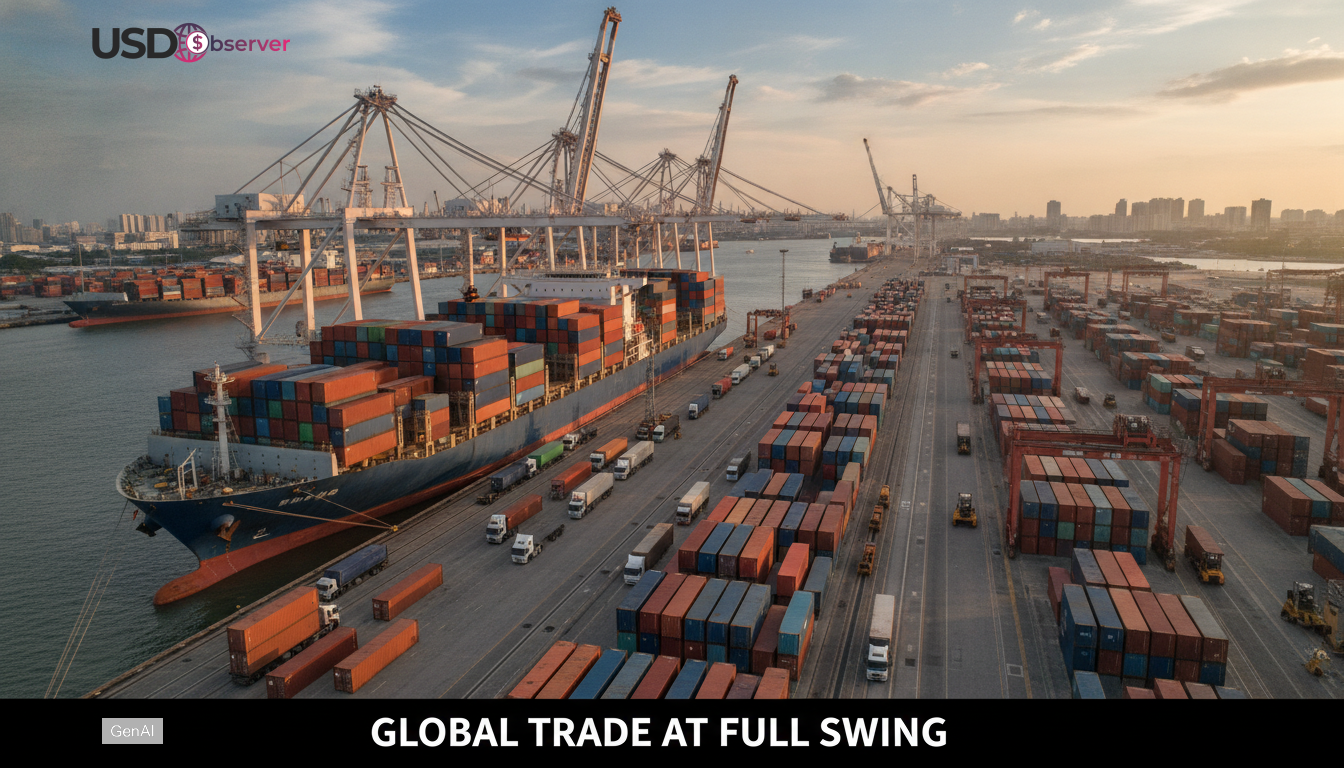
The Biden administration has launched one of the most ambitious infrastructure investment programs in U.S. history, aiming to rebuild the nation’s industrial backbone while creating a more resilient and sustainable economy. After decades of outsourcing and underinvestment, America’s manufacturing sector is showing early signs of revival, supported by the “Investing in America” initiative and several policy-linked funding streams.
The plan allocates billions of dollars toward transportation upgrades, clean-energy projects, semiconductor facilities, and domestic supply-chain improvements. The administration’s goal is clear: to strengthen the industrial base, reduce foreign dependence, and drive economic growth from the ground up. This renewed focus on American manufacturing is also viewed as a strategic response to global supply-chain disruptions and increasing competition from Asia and Europe.
Infrastructure Capital Ignites Industrial Revival
Infrastructure investment is proving to be a catalyst for American manufacturing. With more than sixty thousand large-scale projects either approved or underway, funding is flowing into roads, bridges, ports, and energy grids, all critical components of industrial productivity. By requiring federally funded projects to use domestically produced materials, the government is directly stimulating demand for American-made steel, concrete, machinery, and electrical components.
Manufacturing companies are responding with confidence. Private-sector announcements for new U.S. production facilities have exceeded one trillion dollars, covering industries such as semiconductors, electric vehicles, batteries, and pharmaceuticals. These investments signal that infrastructure spending is acting as a multiplier for industrial expansion. New facilities in states like Ohio, Texas, and Michigan are transforming local economies, while related supply chains are expanding across the country.
This movement reflects a shift from a service-led economy toward one that revalues production and innovation. Modern manufacturing centers are now being designed to integrate digital systems, robotics, and clean-energy solutions. The administration’s focus on green technology ensures that future growth aligns with global sustainability goals, positioning the U.S. as a leader in climate-conscious industrial policy.
Regional Transformation and Workforce Growth
The impact of infrastructure spending is most visible in communities that once suffered industrial decline. Towns that lost factories decades ago are seeing new projects, training programs, and partnerships aimed at rebuilding the local workforce. From the Midwest to the South, industrial zones are experiencing renewed demand for skilled labor as federal funds attract new private investment.
Workforce development is becoming a cornerstone of this transformation. The administration has launched several initiatives to close the manufacturing skills gap by funding apprenticeship programs and vocational education. Many states are collaborating with community colleges and trade organizations to align training with the needs of modern factories. This ensures that economic revival is not just about new facilities, but also about empowering the workers who will run them.
The benefits go beyond employment. A revitalized manufacturing base supports broader economic stability by reducing import dependence and enhancing national security. Regions that once relied on single industries are now diversifying, creating a stronger foundation for sustainable growth. If managed well, this could help balance regional development and foster a more inclusive national economy.
Policy Implications and Global Competition
The administration’s infrastructure agenda extends beyond domestic economics; it is also a strategic response to global industrial competition. As China, the European Union, and other economies invest heavily in their own manufacturing ecosystems, the U.S. is seeking to reclaim its leadership role in high-value production. Federal incentives under the Infrastructure Investment and Jobs Act and the Inflation Reduction Act are designed to attract both domestic and foreign investors to build within U.S. borders.
The policy has drawn praise for its ambition but also criticism for potential inefficiencies and delays. Experts argue that infrastructure success depends on clear coordination between federal, state, and private-sector partners. Streamlining regulatory approvals and maintaining fiscal responsibility will be crucial to sustaining momentum. The ultimate test lies in converting spending into measurable gains: higher output, stronger exports, and enhanced productivity.
If these goals are met, the U.S. could reestablish itself as a powerhouse in advanced manufacturing, renewable energy, and critical technology sectors. This would not only strengthen the economy but also reinforce the dollar’s global influence by showcasing America’s capacity to innovate and produce at scale.
Conclusion
The Biden administration’s infrastructure funding has the potential to reshape America’s manufacturing landscape. It promises new jobs, modernized production, and a more secure economic future. Yet, its success will depend on execution, turning bold spending into lasting productivity gains and ensuring that the benefits reach workers and communities nationwide. If achieved, this initiative could mark the beginning of a new industrial era for the United States.