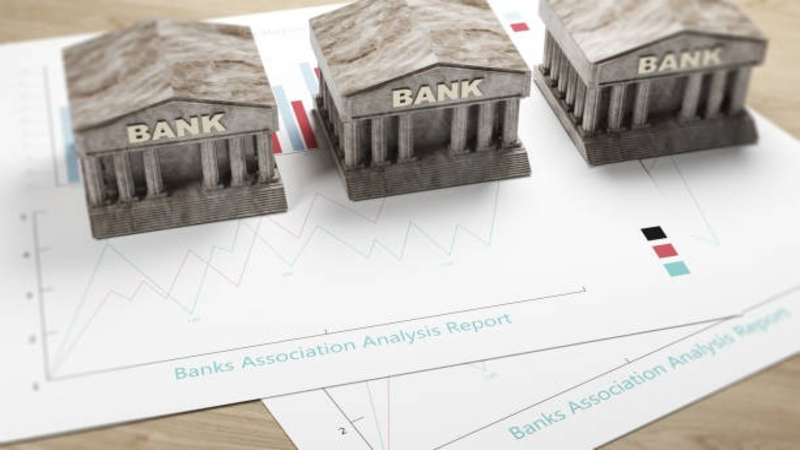
The global banking sector is preparing for a new round of stress tests as financial regulators assess how well banks can withstand economic uncertainty, rising interest rates and potential credit risks. These annual evaluations have become increasingly important as financial markets experience more volatility and global debt levels continue to rise. Stress tests help measure a bank’s ability to survive severe economic disruptions without threatening broader financial stability.
In 2025, the focus of stress tests has expanded to include digital asset exposure, cybersecurity risks and the impact of higher borrowing costs on loan portfolios. Regulators want to ensure that banks are prepared for a wide range of challenges, especially as economic growth slows and credit conditions tighten. The results of these tests influence investor confidence, regulatory decisions and long term planning within the financial sector.
Why Stress Tests Are More Important in 2025
Financial systems across the world are facing new pressures that make stress testing more critical than ever. Rising interest rates have increased the cost of borrowing, and banks must assess how their customers will manage these higher payments. If businesses or households struggle to repay loans, banks may face greater credit losses, which could weaken their balance sheets.
Another major concern is market volatility. Sharp movements in bond yields, currency values and equity markets create uncertainty for banks holding large financial portfolios. Stress tests evaluate how these rapid changes could impact liquidity and capital ratios during turbulent periods. Regulators want to prevent situations where market stress spreads quickly into the banking system.
Banks are also adapting to digital transformation. With more transactions occurring online, cybersecurity threats pose serious risks to financial stability. Stress tests now include scenarios that examine the impact of cyberattacks on payment systems, customer data and overall operations. This reflects the growing importance of digital resilience in modern banking.
How Rising Interest Rates Affect Bank Performance
Higher interest rates affect the banking sector in several ways. While banks can earn more from lending, they also face increased risk when customers struggle with larger monthly payments. Mortgage borrowers, small businesses and heavily indebted corporations are particularly vulnerable when interest rates move higher. Stress tests evaluate how these risks could impact bank profitability and capital strength.
Banks must also manage the value of their bond portfolios. When interest rates rise, existing bonds lose value, which creates unrealized losses for institutions that hold large amounts of fixed income assets. Regulators want to ensure that banks have enough capital to absorb these losses without facing liquidity problems.
In addition, higher rates can slow economic activity. Reduced consumer spending, weaker housing demand and declining business investment all influence the financial health of borrowers. Stress tests help identify potential weaknesses in loan portfolios before they become major problems.
Global Risks That Shape Stress Test Scenarios
Stress tests in 2025 consider a variety of global risks. Economic slowdown in major regions, including Europe and Asia, can influence the performance of international banks. Sluggish global trade and rising geopolitical tensions also affect market conditions and financial stability. Regulators build these risks into stress test models to evaluate how different scenarios could challenge the banking system.
Another important factor is the growing level of sovereign debt worldwide. Governments with weaker finances may struggle during economic downturns, increasing the risk of default or reduced investor confidence. Banks holding large amounts of government bonds must be prepared for these potential shocks.
Changes in the energy market also shape stress scenarios. Fluctuating oil prices, supply disruptions and the global transition toward renewable energy can impact sectors heavily financed by bank loans. Stress tests help identify how such shifts may influence credit quality and market stability.
The Role of Regulation and Market Confidence
Stress test results influence policy decisions, capital requirements and investor confidence. When banks perform well, markets respond positively because it signals strong financial resilience. However, weak performance can lead to increased scrutiny, additional regulation or higher capital buffers.
Regulators aim to create a safer financial system by identifying vulnerabilities before they become systemic problems. For banks, strong stress test results enhance their credibility with investors, customers and global partners. These evaluations play a central role in maintaining trust within the financial ecosystem.
Conclusion
Banking sector stress tests in 2025 reflect a world facing higher interest rates, greater digital risks and uncertain economic conditions. These assessments help regulators and institutions understand vulnerabilities and strengthen financial resilience. As global markets continue to evolve, stress tests remain essential to protecting stability and maintaining confidence in the banking system.