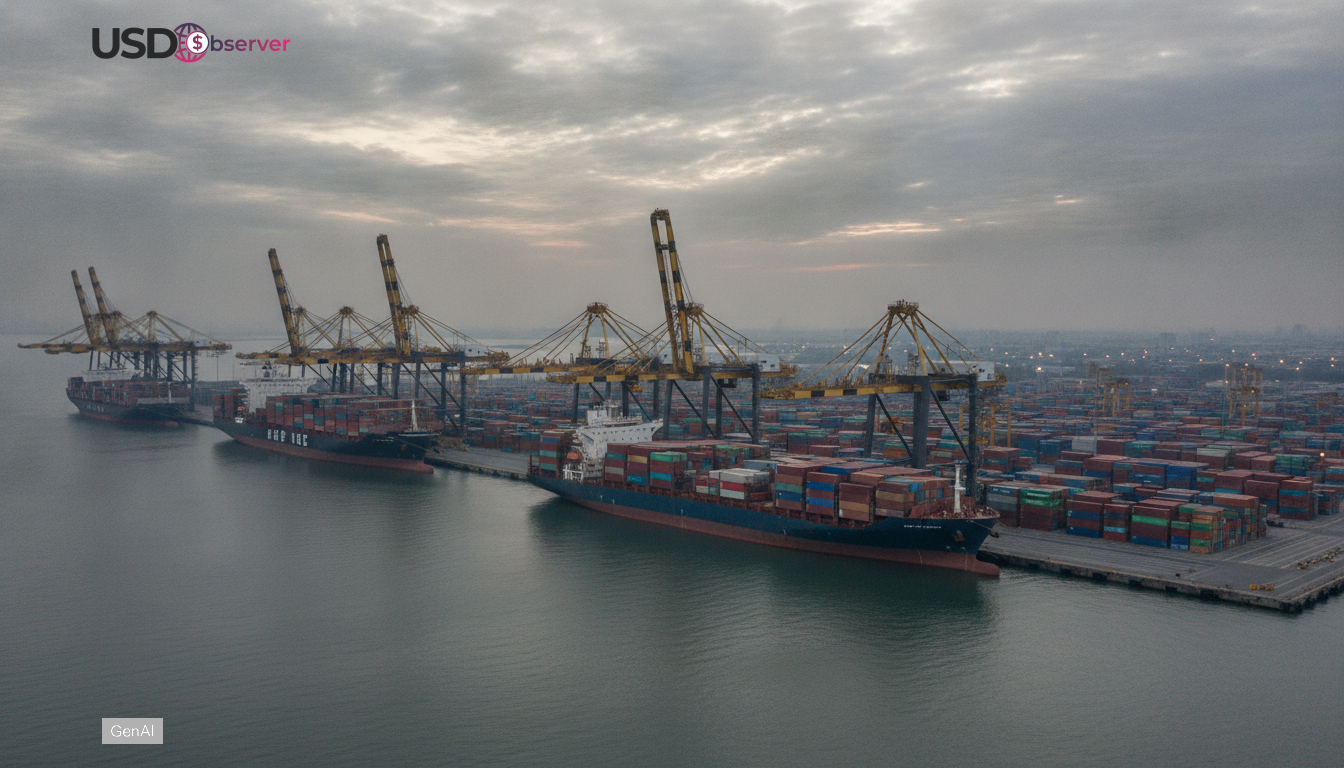
The most important competition in financial technology is not happening at the consumer interface or in flashy applications. It is unfolding quietly at the settlement layer. As 2025 comes to a close, banks and fintech firms are increasingly focused on who controls the rails that move money, finalize transactions, and anchor trust across the financial system.
This battle is subtle because it is not about replacing one system overnight. Instead, it is about positioning. Banks aim to modernize existing infrastructure while preserving control and regulatory alignment. Fintech firms aim to build parallel rails that promise efficiency and flexibility. The outcome will shape how money moves long after user facing innovations fade.
Understanding this dynamic requires looking beneath the surface of payments and into how settlement actually works.
Why the Settlement Layer Matters More Than the Interface
The settlement layer is where transactions become final. It determines when ownership changes, when obligations are discharged, and when risk is extinguished. While interfaces can be redesigned quickly, settlement systems are foundational. They define trust.
Control over settlement rails confers power. It influences liquidity management, compliance enforcement, and systemic stability. That is why incumbents defend this layer carefully and why challengers target it strategically.
In 2025, this realization became widespread. The conversation shifted away from apps and toward infrastructure. The question became who can provide settlement that is fast enough, reliable enough, and trusted enough to operate at scale.
Banks Defending and Modernizing Existing Rails
Banks approach the settlement layer with a focus on continuity. Existing systems are deeply integrated with regulation, central bank operations, and legal frameworks. They have proven reliability but often lack flexibility and speed.
Rather than abandoning these rails, banks are modernizing them. Incremental upgrades, improved messaging standards, and better integration with liquidity management tools aim to preserve control while addressing inefficiencies.
This strategy prioritizes stability. Banks recognize that settlement failures carry systemic consequences. Their advantage lies in governance, access to central bank money, and established trust. Speed improvements are welcome, but not at the expense of control.
Fintech Rails Targeting Efficiency and Programmability
Fintech firms approach settlement differently. They focus on efficiency, programmability, and user driven design. By building new rails, often using digital representations of value, they seek to bypass layers of complexity embedded in traditional systems.
These rails can settle transactions faster and enable conditional payments or automation. For certain use cases, especially cross border or high frequency settlement, they offer clear advantages.
However, scale introduces challenges. As volumes grow, questions arise around governance, legal finality, and oversight. Fintech rails must demonstrate that efficiency gains do not come at the cost of systemic risk.
The Role of Stablecoins in the Competition
Stablecoins sit at the intersection of this battle. They offer fintech style efficiency while referencing traditional currencies. Their rise has highlighted both the potential and the tension between new rails and established systems.
For banks, stablecoins raise questions about control and regulatory consistency. For fintech firms, they provide a tool to build settlement outside traditional channels. As regulation evolves, the viability of stablecoins increasingly depends on how well they integrate with existing oversight frameworks.
This dynamic reinforces the idea that settlement is not just technical. It is institutional.
Why This Is a Quiet Battle
The competition over settlement rails is quiet because overt disruption would trigger resistance. Instead, both sides move cautiously. Banks adopt selected fintech innovations. Fintech firms seek partnerships and regulatory approval rather than confrontation.
This gradualism reflects the importance of the layer being contested. Sudden changes would risk instability. Incremental shifts allow learning, adaptation, and negotiation.
As a result, progress is uneven and often invisible to end users. Yet over time, these small changes accumulate into structural transformation.
What Will Decide the Outcome
The eventual balance between bank and fintech rails will be decided by governance and integration rather than raw performance. Systems that can interoperate, comply with regulation, and manage risk effectively will gain acceptance.
Central banks and regulators play a decisive role. Their preferences shape which rails are trusted for large value settlement and systemic functions. Fintech solutions that align with these expectations gain legitimacy. Those that do not face constraints.
The battle is therefore not winner take all. It is about coexistence and influence.
Implications for the Financial System in 2026
As 2026 approaches, the settlement layer will continue to evolve quietly. Banks will retain a central role, but fintech rails will influence how settlement is designed and delivered. Hybrid models are likely to emerge, blending innovation with established trust.
For institutions, the challenge is strategic. Choosing which rails to support affects cost, flexibility, and risk. For policymakers, the task is to encourage improvement without undermining stability.
The settlement layer may never be visible to most users, but it will define the resilience of the financial system.
Conclusion
The competition between banks and fintech firms is ultimately a contest over the settlement layer, not the interface. This quiet battle is shaping how money moves, how risk is managed, and how trust is maintained. As financial infrastructure evolves, the winners will be those who combine efficiency with governance and innovation with stability.