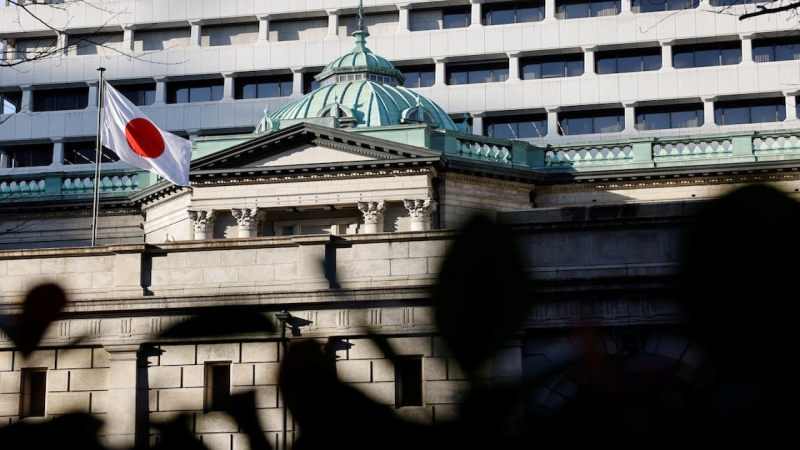
The Bank of Japan raised interest rates to their highest level in three decades on Friday, marking another decisive step away from the ultra loose monetary policy that defined the country’s economy for years. Policymakers lifted the short term policy rate to 0.75 percent from 0.5 percent, a move that had been widely anticipated by markets. The central bank signaled it remains prepared to raise rates further if economic conditions continue to evolve in line with its forecasts. Officials expressed greater confidence that Japan can sustain stable inflation around its two percent target, supported by steady wage growth and improving corporate pricing behavior. The decision underscored a growing belief within the central bank that the long battle against deflation has been largely won, allowing policy to normalize after decades of extraordinary stimulus.
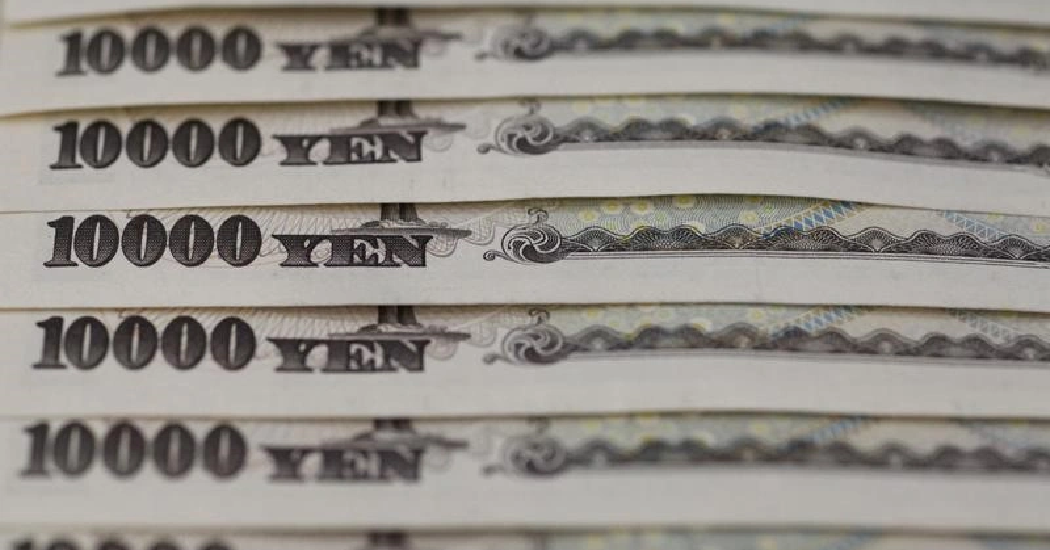
Despite the rate increase, market reaction was mixed, particularly in currency trading. The yen weakened after Governor Kazuo Ueda offered limited guidance on the pace and extent of future tightening. While acknowledging that policy rates remain below estimated neutral levels, Ueda emphasized that further decisions would depend on incoming data and the economy’s response to each adjustment. This cautious tone reinforced expectations that the central bank will move gradually rather than aggressively. Government bond yields rose sharply following the decision, with longer dated yields reaching multi decade highs, reflecting the shift in policy direction. However, the lack of explicit hawkish signals led investors to scale back near term expectations for rapid rate increases, contributing to renewed pressure on the currency.
Internal divisions within the policy board also came into focus, as some members expressed concern that inflation risks may be broader and more persistent than the official outlook suggests. While the central bank maintained its projection that underlying inflation will converge toward target levels over the medium term, dissenting voices highlighted uncertainty around price dynamics and wage momentum. The move brings Japan closer to what policymakers view as a neutral policy setting, though officials remain vague on where the tightening cycle may ultimately peak. The rate hike follows earlier steps taken over the past year to dismantle long standing stimulus measures, reflecting a historic shift in Japan’s monetary framework. As borrowing costs rise, attention is turning to the impact on government debt servicing, household spending, and the broader economy, as well as implications for global currency and bond markets.