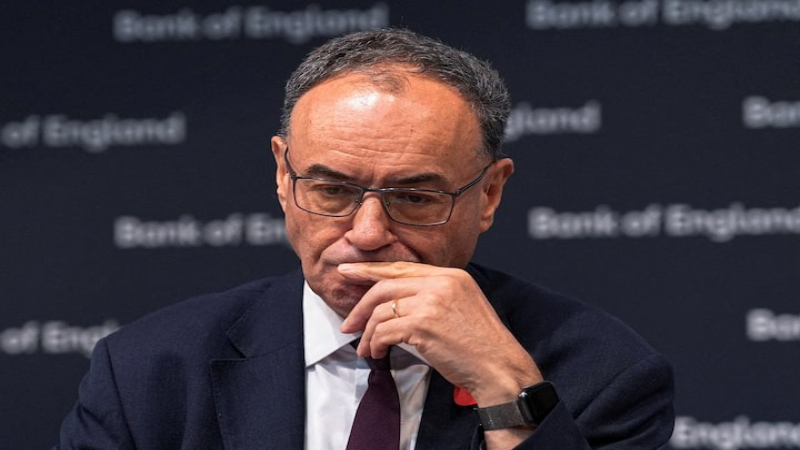
Bank of England Governor Andrew Bailey cautioned that rising populist pressures are making it increasingly difficult for financial policymakers and international institutions to communicate economic risks clearly and credibly. In remarks published this week, Bailey argued that efforts to undermine trust in central banks and global agencies weaken their ability to deliver uncomfortable but necessary assessments about the state of the world economy. He said financial authorities exist in part to highlight emerging imbalances and long-term risks, even when such messages are unpopular. According to Bailey, the growing tendency to portray domestic and international institutions as distant or self-serving threatens the effectiveness of policymaking at a time when economic coordination remains critical.
Bailey stressed that international bodies play an essential role in identifying vulnerabilities across borders, particularly as global financial systems remain deeply interconnected. He warned that dismissing or discrediting these institutions reduces transparency and encourages short-term political thinking at the expense of stability. In his view, criticism rooted in accountability and analytical rigor is legitimate, but attacks designed to erode confidence in expertise amount to shooting the messenger. This environment, he suggested, complicates efforts to address structural risks, as policymakers may become reluctant to speak plainly about trade-offs, fiscal pressures, or the consequences of unsustainable policies.
The Bank of England governor also defended the continued importance of open trade and common financial rules, arguing that the global economy benefits from cooperation rather than fragmentation. He noted that the case for shared standards and oversight in finance is not as widely accepted as it should be, despite repeated lessons from past crises. Bailey warned that closing economies off from trade and weakening international frameworks could amplify volatility and reduce resilience, particularly for countries heavily exposed to global capital flows. His remarks underscored concern that political narratives framing globalization as inherently harmful risk, overlooking the stabilizing role played by coordinated policy and rule-based systems.
Bailey’s comments come amid heightened scrutiny of central bank independence in several major economies, adding to unease in financial markets about political interference in monetary and regulatory decisions. He recently joined other senior central bankers in publicly supporting the principle of institutional independence, signaling a shared concern that pressures on policymakers could undermine credibility. For investors, such warnings highlight the growing intersection between politics and macroeconomic stability. As debates over fiscal policy, trade, and regulation intensify, the ability of central banks and international institutions to operate without political intimidation remains a key anchor for confidence in currencies, capital markets, and the broader financial system.