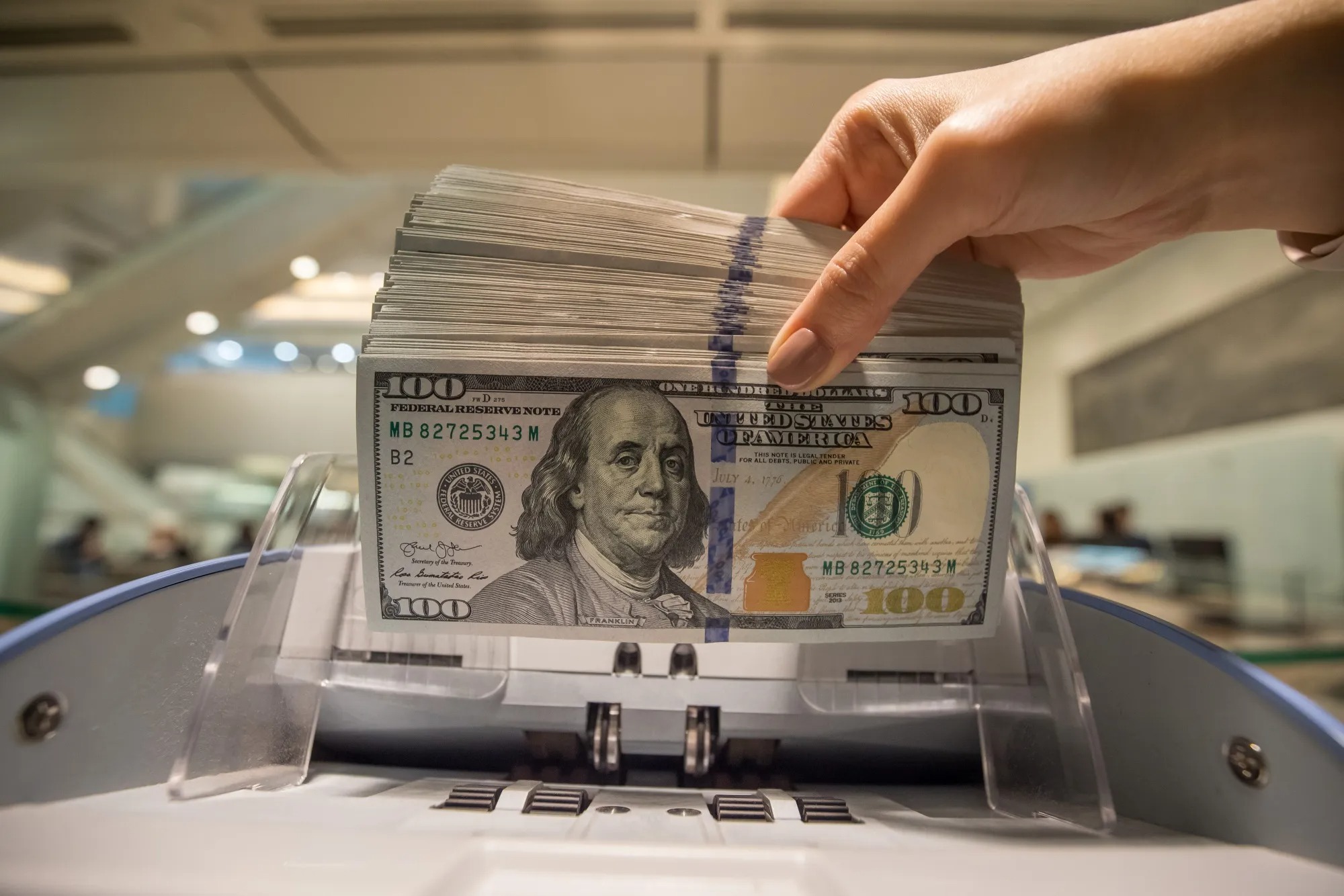
The United States dollar continues to function as the primary safe haven currency for global investors despite growing debate about the long term future of the dollar based financial system. A senior policymaker from the Reserve Bank of Australia said recent geopolitical developments show that the dollar still plays a dominant role during periods of financial stress. As markets reacted to escalating tensions in the Middle East, the dollar strengthened against several major currencies. The move reinforced the long standing pattern where investors shift capital toward the dollar when uncertainty rises across global financial markets.
Currency markets have historically treated the dollar as a central pillar of the international financial system, especially during crises. When geopolitical shocks or financial instability emerge, investors often seek liquidity and stability by increasing exposure to dollar denominated assets. Recent market movements following the conflict in the Middle East reflected this pattern as traders increased demand for the currency. Analysts say the dollar tends to perform particularly well during periods of funding stress when institutions require access to liquid and widely accepted currencies to manage risk and maintain financial operations.
Despite this resilience, economists are increasingly discussing whether the dollar’s dominance could gradually weaken over time. Some analysts argue that shifts in global trade patterns, rising geopolitical fragmentation and the development of alternative financial systems could slowly reshape the global currency landscape. However policymakers say there is currently little evidence of a rapid structural change. Global investors continue to hold large volumes of United States assets, demonstrating ongoing confidence in the country’s financial markets and institutional framework.
Recent capital flow data suggests that foreign investment into the United States remains strong even as global investors diversify portfolios. However there has been a notable shift in where that capital is being directed. Instead of focusing primarily on government debt, more foreign investment has been moving toward equities and corporate assets. This trend may reflect expectations of stronger corporate earnings and economic performance relative to other regions. The shift also highlights how global investors are adjusting strategies as interest rates, inflation expectations and growth forecasts evolve.
Financial policymakers note that the United States has long benefited from what economists describe as the unique advantage of issuing the world’s main reserve currency. This position has historically allowed the country to borrow extensively in global markets while maintaining strong demand for its debt. While discussions about potential changes to this system continue, the latest market reactions show that the dollar remains deeply embedded in the global financial architecture. As geopolitical tensions and economic uncertainty persist, the currency’s role as a stabilizing force in international finance remains firmly intact.