Asian local currency bond markets recorded a fourth consecutive month of foreign inflows in January, reflecting renewed investor confidence in the region’s economic outlook and export performance.
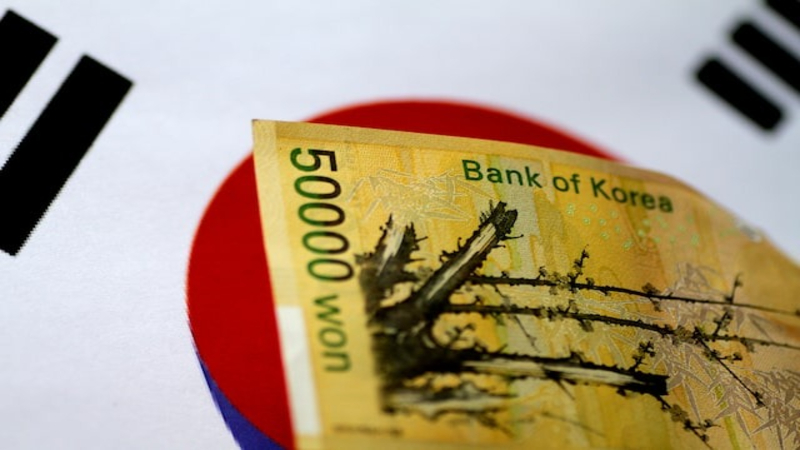
According to data compiled from regional regulators and bond market associations, foreign investors purchased a net 3.78 billion dollars worth of bonds across key markets including South Korea, Thailand, Malaysia, India and Indonesia. While the pace of buying slowed compared with December’s stronger inflows, the continued net purchases highlight sustained appetite for Asian fixed income assets.
The steady inflow trend suggests global investors are reassessing regional growth prospects as external demand stabilizes and trade flows show resilience. Several Asian economies have benefited from improved export momentum, particularly in technology components and manufacturing goods, which has supported currency stability and fiscal balances.
South Korea remained a focal point for foreign bond buyers, supported by its deep and liquid debt market. Thailand and Malaysia also attracted interest as inflation pressures moderated and monetary policy settings appeared relatively stable. India and Indonesia continued to draw selective inflows, aided by structural reform narratives and comparatively higher yields.
The moderation in January inflows compared with December’s larger figure may reflect global positioning adjustments at the start of the year. Investors are balancing regional opportunities with uncertainty surrounding global interest rate trajectories, especially in the United States. Expectations for potential Federal Reserve policy easing later in the year have influenced capital allocation decisions across emerging markets.
Currency dynamics also play a critical role in foreign participation. Stable or appreciating local currencies can enhance total returns for overseas investors, while volatility may deter flows. In January, most major Asian currencies remained broadly steady against the US dollar, helping to support bond demand.
At the same time, bond yields in several Asian markets remain attractive relative to developed economies, particularly as inflation has cooled in parts of the region. This yield differential, combined with improving macroeconomic indicators, has strengthened the case for allocating capital to Asian debt.
Analysts note that continued inflows will depend on global risk sentiment and external conditions. A sharper than expected slowdown in major economies or renewed financial market volatility could disrupt the positive momentum. Conversely, sustained export growth and policy stability may encourage further foreign participation.
The four month inflow streak signals that Asian bond markets are regaining favor among international investors after periods of outflows in previous years. As global portfolios diversify and investors seek balanced exposure between developed and emerging markets, Asia’s fixed income landscape remains a key destination for capital flows.