Global markets shifted focus toward long term inflation trajectories this week as analysts reassessed macroeconomic risks, policy expectations, and structural trends shaping the next phase of global pricing behavior. While short term inflation movements have moderated in several advanced economies, the longer horizon outlook remains complex. Traders and economists are evaluating demographic shifts, supply chain realignments, energy transition costs, and labor market dynamics to determine how inflation may evolve over the next several years.
The market’s attention has moved beyond immediate monthly releases to broader structural indicators that influence long term purchasing power and interest rate paths. With central banks signaling a cautious stance, investors are increasingly integrating multi year inflation scenarios into portfolio strategies. These expectations will play a critical role in shaping bond yields, currency valuations, and global asset allocation strategies.
Structural forces shape long term inflation expectations
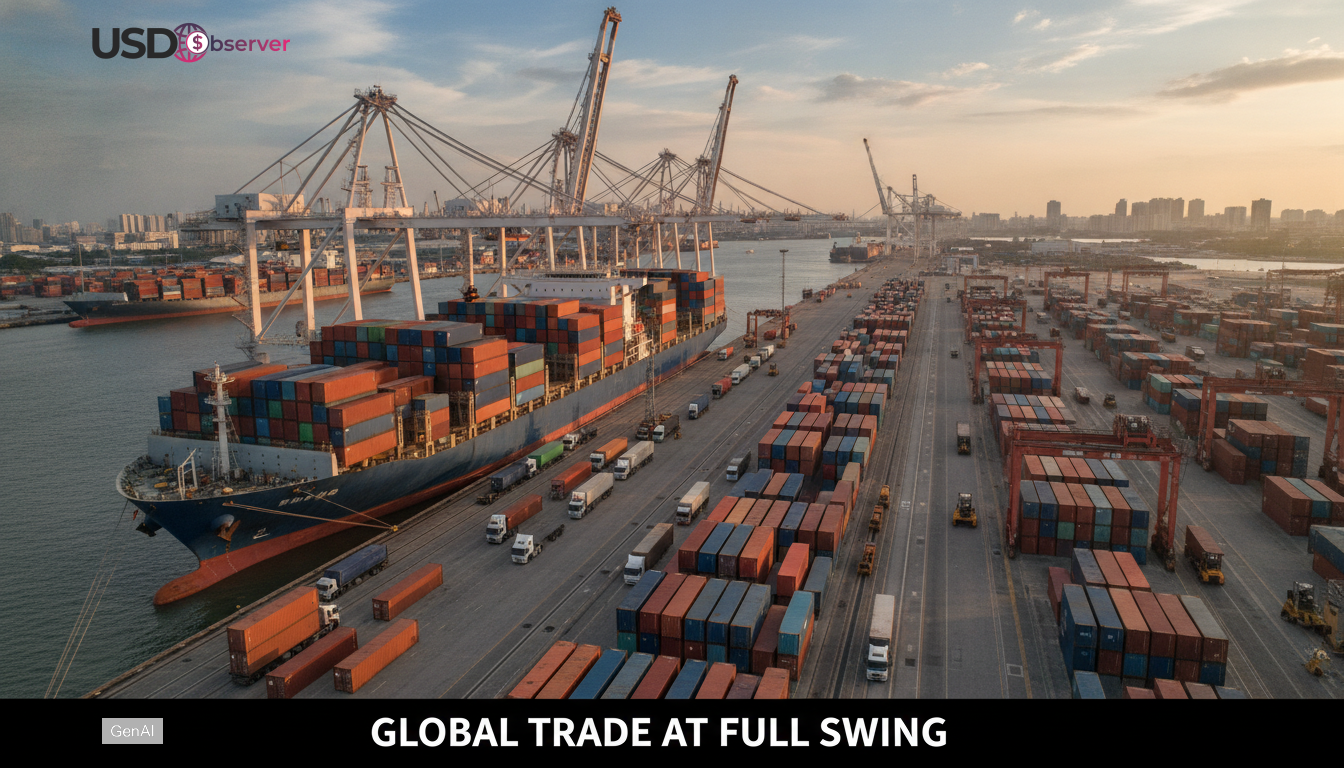
Analysts are identifying multiple structural forces that could influence inflation trajectories well beyond current cycles. One major factor is the gradual reshaping of global supply chains. Efforts to diversify production networks and reduce reliance on specific regions may temporarily increase manufacturing and logistics costs, potentially adding upward pressure on long term pricing trends.
Labor market dynamics are another key variable. Wage growth has moderated but remains elevated relative to pre pandemic levels. Persistent demand for skilled labor in technology, health care, and service sectors may continue to support wage driven inflation components. Even as hiring cools in some industries, broader demographic trends suggest that labor shortages could reappear as aging populations reduce workforce participation.
Energy transition policies are also expected to influence inflation patterns. While long term investments in renewable energy may eventually lower costs, the transition period may bring higher expenses tied to infrastructure development, regulatory compliance, and the scaling of new technologies. These factors have become central components of long term inflation modeling among institutional analysts.
Market pricing reflects cautious inflation expectations
Bond markets have responded with a combination of caution and steady positioning. Long term yields showed mild upward pressure as investors reassessed inflation risk premiums. Although inflation volatility has declined significantly, traders remain aware that persistent structural forces could prevent inflation from returning fully to previous low ranges.
Breakeven inflation rates, which reflect market expectations, have shown limited but consistent upward drift. This trend indicates that investors expect inflation to settle at levels slightly higher than historical norms, even if short term data suggests progress toward stability. Analysts note that market pricing remains sensitive to any shift in inflation expectations, especially after periods of strong macro signals.
Central banks signal steady but flexible stance
Central banks across major economies continue to emphasize flexibility in response to evolving inflation conditions. While recent messaging has leaned more balanced, policymakers remain cautious as they evaluate the durability of disinflation. Many central banks have communicated the need for patience, indicating that premature easing could risk undermining progress made in recent years.
Traders are analyzing policy communication closely, particularly statements related to long term inflation risks and structural trends. Central banks are increasingly referencing persistent pressures tied to global fragmentation, rising service sector costs, and variable commodity trends. These signals have reinforced expectations that policy settings may remain tighter for longer than initially anticipated.
Global growth conditions influence inflation trajectory
Global growth trends continue to shape long term inflation expectations. Slower expansion in Europe and parts of Asia may limit inflation pressures, while steady US consumption and resilient labor conditions could maintain upward bias in certain sectors. These regional differences highlight the complexity of forecasting long term inflation in an uneven global environment.
Commodity cycles also play an important role. Oil, metals, and agricultural markets remain sensitive to geopolitical developments and supply disruptions. Any sustained increase in commodity prices could alter inflation trajectories quickly, especially for economies heavily dependent on imports. Traders continue to monitor these markets for early signals that could influence multi year inflation expectations.
Conclusion
Long term inflation trajectories remain a central focus for analysts as structural forces, policy signals, and global growth trends shape expectations. With supply chain adjustments, energy transitions, and evolving labor markets influencing pricing patterns, markets are preparing for an environment where inflation stabilizes at moderately higher levels. These insights will continue guiding monetary policy decisions and long horizon investment strategies.