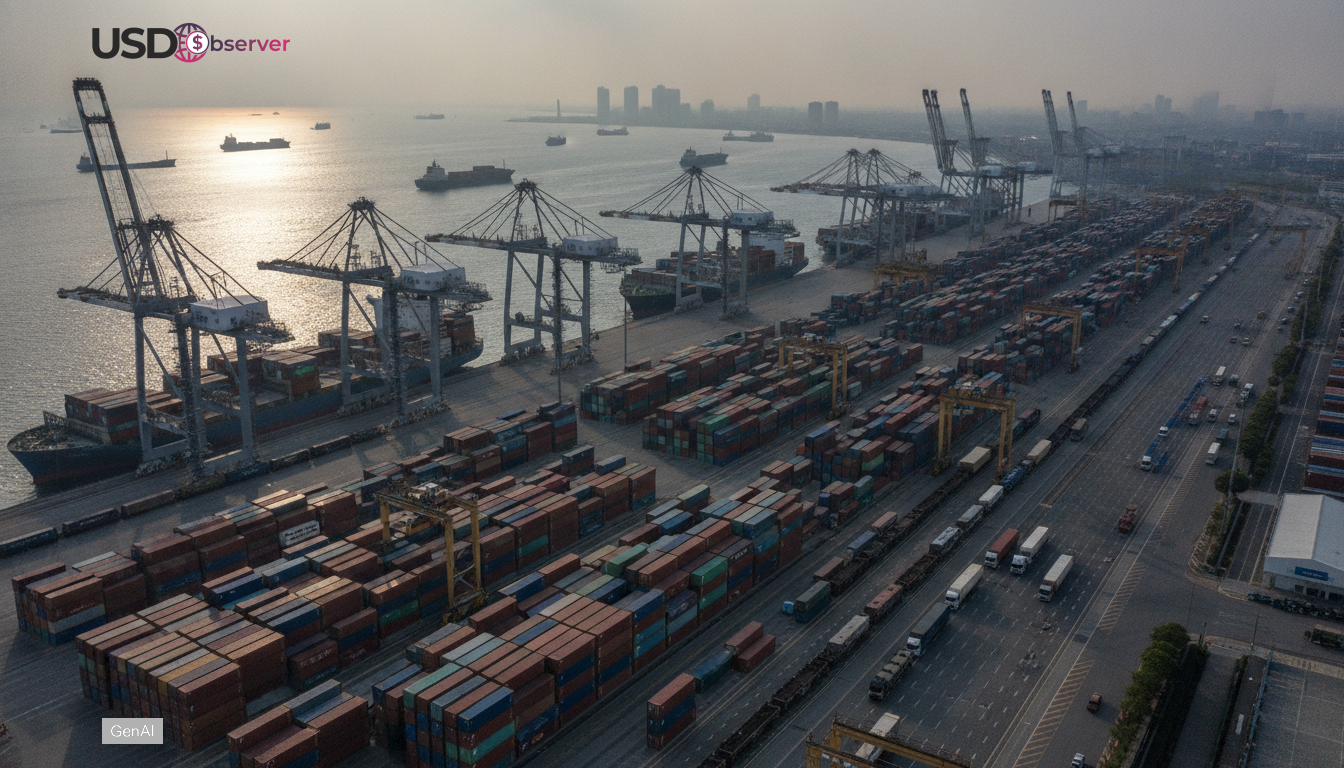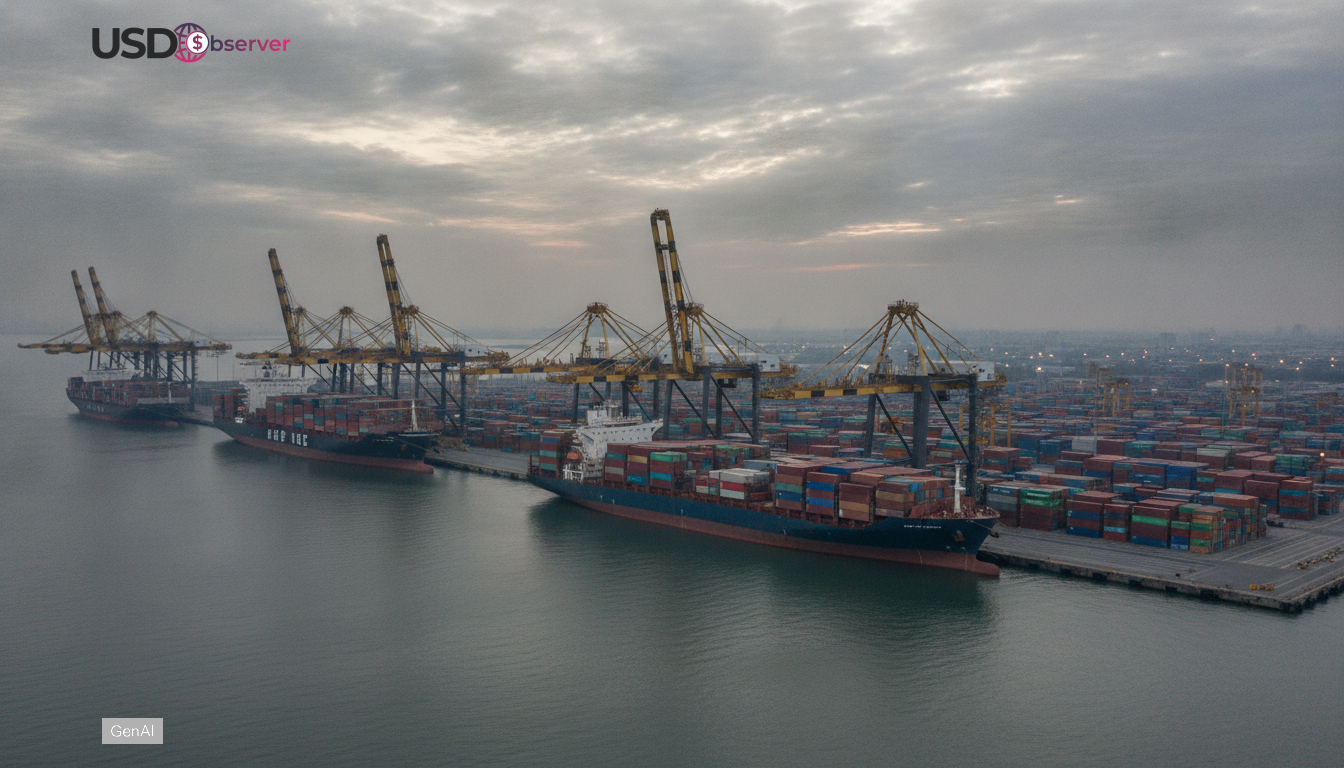
Amazon is preparing a major shift in its delivery operations by significantly reducing the number of packages it sends through the U.S. Postal Service, a move that could reshape logistics dynamics and impact postal revenues. The company is reportedly planning to cut postal shipments by at least two thirds by the fall, aligning with the expiration of its current contract. This decision reflects Amazon’s broader push to gain greater control over its delivery network while improving efficiency and reducing long term costs in a highly competitive e commerce environment.
The U.S. Postal Service has long been one of Amazon’s most important delivery partners, particularly for last mile shipments in rural and hard to reach areas. A sharp reduction in package volumes could result in a meaningful decline in revenue for the agency, which has relied on large scale commercial clients to support its financial stability. Industry observers note that Amazon’s volume has historically represented a significant share of USPS package traffic, making this potential shift one of the most consequential changes in the relationship between the two entities in recent years.
Amazon’s evolving logistics strategy is centered on expanding its in house delivery capabilities and optimizing its global fulfillment network. Over the past decade, the company has invested heavily in warehouses, transportation infrastructure, and its own delivery fleet, allowing it to handle a growing portion of shipments independently. By reducing reliance on external partners, Amazon aims to increase delivery speed, maintain service quality, and improve margins. The move also aligns with broader trends in automation and data driven logistics, where companies are seeking to streamline operations using advanced technology.
The reported decision comes at a time when large technology firms are reassessing cost structures and operational strategies amid shifting economic conditions. Rising labor costs, fuel prices, and ongoing investments in artificial intelligence have pushed companies to identify areas where efficiency gains can be achieved. Amazon has already signaled its intention to reduce corporate roles and leverage automation more aggressively, indicating that logistics optimization is part of a wider effort to strengthen profitability while maintaining growth.
For the U.S. Postal Service, the potential loss of a major client raises questions about revenue diversification and long term sustainability. While USPS continues to serve millions of customers nationwide, its financial model has increasingly depended on partnerships with large e commerce companies. A decline in Amazon shipments could prompt the agency to explore new commercial relationships or adjust pricing structures to offset lost income. Analysts suggest that the impact will depend on how quickly USPS can adapt to changing demand patterns in the delivery market.
The broader logistics industry is also likely to feel the effects of Amazon’s strategic shift. Competitors and third party carriers may see opportunities to capture additional market share, while smaller retailers could face changing cost dynamics as delivery networks evolve. At the same time, Amazon’s continued expansion into logistics underscores the growing importance of integrated supply chain control in global commerce, where speed, reliability, and cost efficiency are becoming key differentiators.