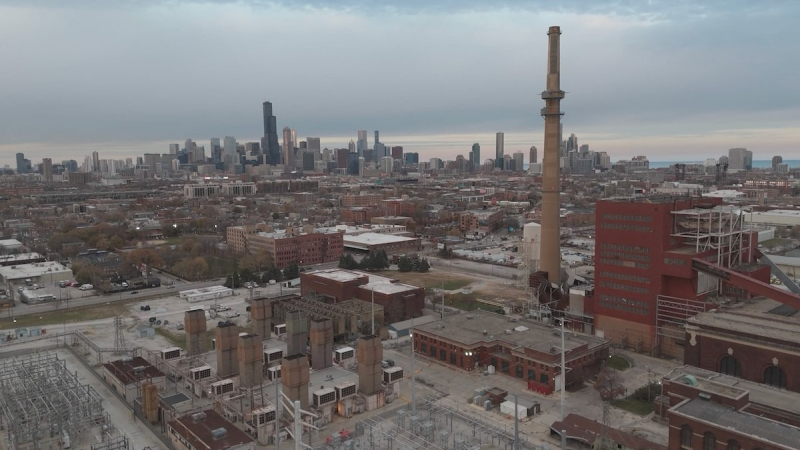
Rising electricity demand from artificial intelligence data centers is reshaping the US power landscape, forcing utilities and grid operators to rely more heavily on aging peaker power plants once slated for retirement. These facilities, designed to operate only during brief spikes in demand, are being pressed into more frequent service as data centers strain existing grid capacity. Power markets have responded sharply, with capacity prices surging as supply struggles to keep pace with fast growing demand tied to AI computing and cloud infrastructure. In regions such as the PJM Interconnection, which hosts the largest concentration of data centers globally, postponed plant retirements have become increasingly common. Utilities argue that keeping older plants online provides immediate reliability while new generation and transmission projects remain years away, highlighting how digital infrastructure growth is colliding with physical limits of the current power system.
The renewed reliance on peaker plants carries economic and environmental trade-offs. Because these units prioritize speed over efficiency, they typically produce electricity at higher cost and emit more pollution than baseload power plants. Many lack modern emissions controls and operate with lower smokestacks, increasing localized exposure when they run. Research and regulatory filings indicate that a significant share of peaker plants are located near low-income and minority communities, raising concerns that extended operations could intensify existing environmental burdens. As electricity demand accelerates, particularly during extreme weather and peak usage periods, these facilities are increasingly viewed as a stopgap solution rather than a long-term answer. The shift underscores tensions between maintaining grid stability and meeting environmental and public health goals as power consumption patterns evolve.
Policy responses and market incentives are reinforcing this trend as authorities prioritize near-term reliability. Federal and regional officials have emphasized the need to preserve existing generation capacity while transmission upgrades, renewable projects, and storage technologies scale up. In some cases, government agencies have directed utilities to delay shutdowns of older units to avoid potential shortages. Grid operators argue that removing capacity before replacements are ready risks higher prices and reliability issues. At the same time, energy analysts note that alternatives such as expanded transmission networks and large-scale battery storage could reduce dependence on peakers over time. Until those investments materialize, the surge in AI-driven electricity demand is likely to keep legacy power plants running longer than anticipated, reshaping energy economics and local impacts across key US regions.