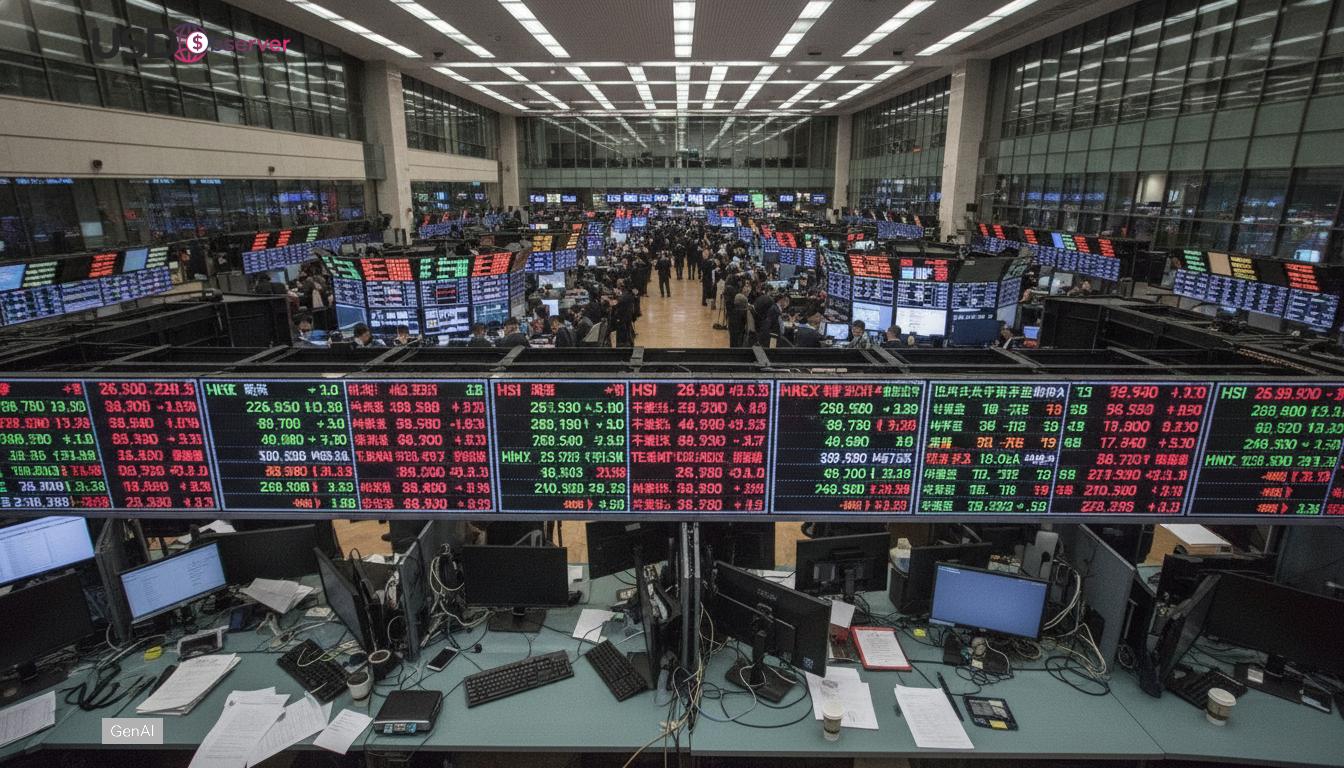
A surge in equity market volatility has exposed growing fragility in the artificial intelligence driven rally that dominated much of this year, prompting investors to reassess whether valuations can sustain their elevated trajectory. Recent sharp pullbacks across high profile AI names have intensified debate about whether the sector has moved into speculative territory, especially after strong earnings from a major chip leader failed to lift the broader market. Sentiment has shifted noticeably as investors weigh the gap between rapid investment in AI infrastructure and the slower pace at which revenue and profitability may materialize. The reluctance of retail traders to buy into recent declines reflects a broader cooling of momentum, as leveraged positioning becomes more difficult to maintain in a landscape where financing costs remain elevated and corporate debt loads in the sector are increasing. These concerns have widened as bond markets signaled discomfort with large debt funded AI expansion plans, adding another layer of pressure to technology valuations that had already stretched well beyond long term averages.
The cracks emerging in AI linked equities resemble early stage warning patterns observed in past market cycles, though the intensity of the rally and the scale of risk taking have not yet reached the extremes of previous bubbles. Historical comparisons to the late 1990s and to more recent digital asset manias show that valuation excesses often become visible well before investor sentiment peaks, and this dynamic appears to be unfolding again. A number of valuation metrics support this cautionary view, with the Buffett Indicator rising above levels reached during the dot com peak, signaling that overall market capitalization has far outpaced real economic output. Traditional valuation benchmarks such as price to earnings and long term cyclically adjusted measures also reflect stretched conditions relative to historical norms. Investors tracking broader economic indicators remain attentive to risks that corporate spending may slow if financing conditions tighten further and if supply chain constraints in data center infrastructure persist. These challenges contribute to a more complicated environment for assessing long horizon earnings potential that previously fueled enthusiasm in AI related equities.
For analysts monitoring the United States dollar, the shift in sentiment is relevant because periods of heightened equity market stress tend to support defensive flows that strengthen the greenback. When investors pull back from high valuation technology sectors, capital often rotates into safer and more liquid assets, bolstering demand for USD and U.S. treasuries even when yields soften. Understanding the behavior of equity valuations in speculative phases helps anticipate how currency markets may react when volatility rises and risk appetite declines. While optimism surrounding AI’s transformative potential remains intact, the recent volatility indicates that markets are entering a more discerning phase where pricing will increasingly depend on earnings clarity and realistic implementation timelines. As technology valuations adjust, global investors are likely to revisit their exposure across sectors and asset classes, with resulting shifts in demand influencing the broader macro environment in which USD remains a central anchor.