AI’s Potential Impact on Employment
Hiring managers in major tech hubs are recalibrating as automation tools spread into software, support, and content workflows. Today, recruiters describe more screening for role durability rather than narrow tool expertise, and employees are watching openings change in real time. In interviews carried by UK media, Raspberry Pi chief executive Eben Upton warned that hype could deter people from studying computing, an outcome that would weaken long run productivity. That warning is landing alongside company level redeployments that shift tasks to models while trimming entry level pipelines. Live conversations inside engineering teams now center on which tasks remain human owned. Another Update from training providers is that demand is moving toward applied problem solving and oversight.
Economic Consequences of AI Adoption
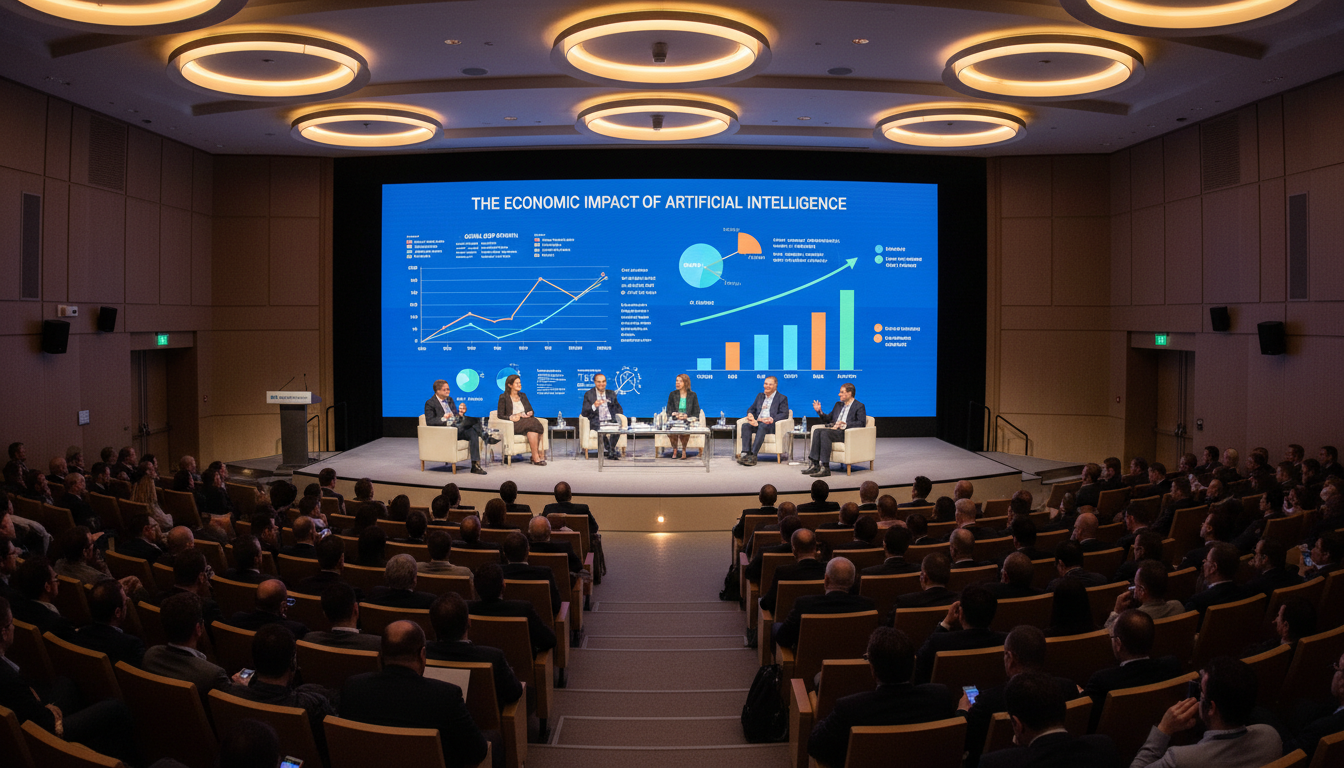
Markets are trying to price the near term gains against longer term dislocation, and policymakers are tracking effects on wages and consumption. Today, the central concern is whether productivity improvements translate into broad income growth or concentrate profits in a few firms. The World Economic Forum has argued that rapid adoption can widen skills gaps without coordinated reskilling, and employers echo that risk in earnings calls. A separate Live development is that executives are linking tooling budgets to headcount plans, which can dampen household confidence, and the AI economic impact debate is being watched closely in London and New York. For a closer view of how automation narratives are intersecting with staffing decisions in digital asset firms, see AI linked staff cuts in crypto as markets tighten, as economists track how quickly cost cutting might spread beyond early adopters. This Update is being watched by economists as a signal of how quickly cost cutting might spread beyond early adopters.
Tech Industry Responds to AI Fears
Companies are increasingly countering anxiety with clearer job architecture, including explicit human in the loop responsibilities and internal mobility tracks. Today, several large employers emphasize that models still require trusted inputs, testing, and accountability, so they are rewriting roles rather than eliminating all positions. The tech job market is also reacting through credential inflation, with managers asking for broader systems knowledge instead of narrow stack familiarity. A Live push is underway to defend early career pathways, since the first rung roles are the easiest to automate and the hardest to replace once removed. Developers are also tracking currency and pricing exposure for global contracts, and readers following US Dollar Decline in 2025: Causes and Impact see how FX shifts can change hiring budgets. The latest Update from workforce leaders is that transparent evaluation of AI assisted output reduces internal conflict.
Policy and Regulation Challenges
Governments are struggling to match the speed of deployment with clear accountability, especially where automated decisions affect access to jobs, credit, or public services. Today, regulators are weighing disclosure rules, data protection, and liability standards for model driven outcomes, while companies lobby for workable compliance timelines. The BBC has reported on platform governance debates in the UK, including proposals for faster responses to harmful content, which informs how officials think about AI mediated systems and enforcement capacity, as seen in BBC coverage of X pledging quicker UK action on hate and terror content. Live legal uncertainty is prompting firms to limit some features by region. Another Update from labor ministries is that worker classification and monitoring rules will shape how quickly AI workforce models scale.
Future Outlook for Tech Workers
Near term resilience depends on whether firms invest in complementary skills, not only cost reduction, and whether education pipelines stay attractive. Today, the strongest demand signals are for practitioners who can validate outputs, secure data flows, and connect tools to real operations, which reduces automation risks from poorly governed deployment. The AI economic impact debate is now less about whether jobs vanish overnight and more about whether task erosion undermines career ladders and innovation capacity. Live reporting from training organizations shows higher enrollment in courses focused on verification, safety testing, and domain specific implementation. The World Economic Forum has also highlighted that transitions accelerate when companies pair adoption with reskilling commitments. A final Update from hiring desks is that candidates who document measurable productivity improvements, while acknowledging limits and compliance needs, are receiving faster callbacks.