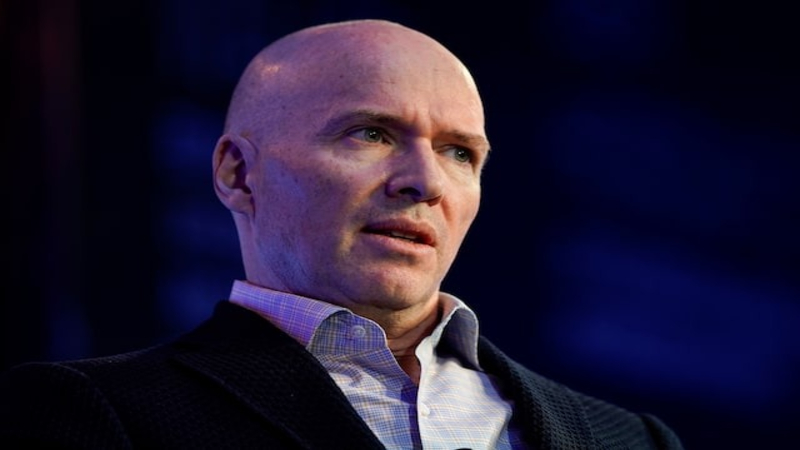
A surge in venture capital fundraising is reshaping expectations for US technology investment in 2026, as Andreessen Horowitz completed its largest capital raise to date across multiple funds. The scale of the fundraising highlights renewed institutional confidence in long duration technology bets after a volatile period for private markets. Capital commitments were spread across growth stage technology, AI infrastructure, and nationally strategic sectors, reflecting a broader recalibration of where long term value is expected to emerge. The fundraising wave also signals that large pools of capital remain willing to accept illiquidity in exchange for exposure to structural technology shifts. For markets, the development reinforces the view that the US remains the central hub for risk capital allocation even as global financial conditions tighten unevenly across regions.
The concentration of capital into fewer but larger funds underscores how venture investing is becoming increasingly institutionalized. Large allocators appear more focused on platforms with the scale to support infrastructure heavy investments rather than early stage experimentation alone. Artificial intelligence remains a dominant theme, not just as a software narrative but as a capital intensive buildout spanning compute, energy, and supply chains. This dynamic favors firms capable of deploying billions over extended cycles, aligning private capital more closely with national economic priorities. The emphasis on domestic resilience and strategic industries also reflects a shifting policy backdrop, where technology leadership is increasingly framed as a macroeconomic and geopolitical objective rather than a purely commercial one.
From a broader financial perspective, the fundraising carries implications beyond the venture ecosystem. Large scale private investment inflows reinforce demand for dollar denominated assets and strengthen the feedback loop between US capital markets and global innovation flows. As capital pools deepen, the United States continues to absorb a disproportionate share of global savings aimed at high growth sectors. This trend supports dollar liquidity dominance while also increasing the sensitivity of private valuations to interest rate expectations and policy credibility. With public markets still adjusting to slower growth and tighter margins, private capital is positioning itself ahead of the next expansion phase rather than reacting to current conditions.
The timing of the fundraising is notable as it coincides with a more selective environment for public equity issuance and mergers. Venture capital is stepping into a financing gap left by cautious public markets, effectively extending the private phase of company growth cycles. This allows technology firms to delay listings while scaling operations under less market scrutiny. At the same time, it concentrates risk within private balance sheets, making future exit conditions more dependent on macro stability. For observers of capital flows, the message is clear. Despite uncertainty, the structural gravity of US technology investment remains intact, supported by deep pools of capital and a reinforcing policy environment.