Examining the Rise in US Tariff Rates
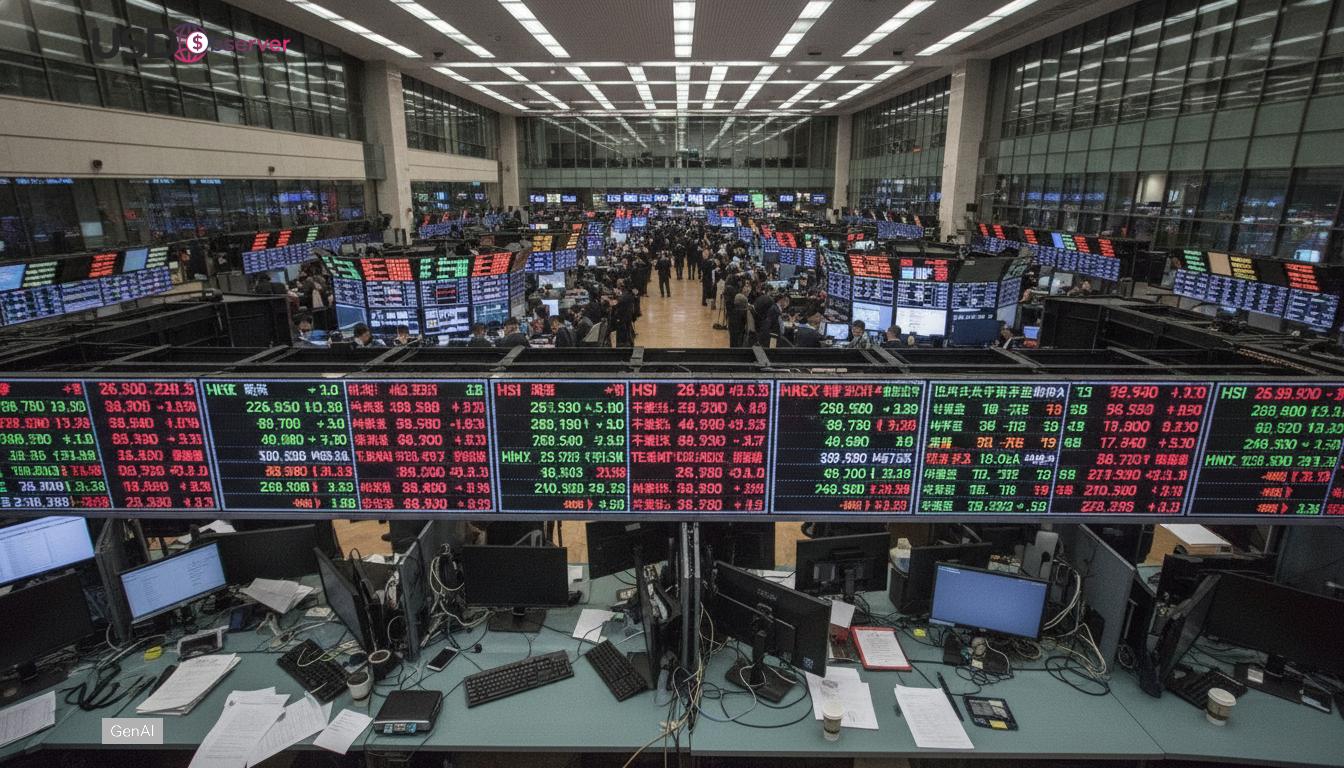
Trump’s tariffs did not just raise headline duties, they reset how companies and policymakers price cross border risk. The effective US tariff rate climbed in targeted waves, first on metals and then on a wider slice of Chinese manufactured inputs, pushing procurement teams to treat tariffs like a permanent cost line rather than a temporary penalty. Today, the practical impact is visible in contract clauses that pass duty swings down supply chains and in wider bid spreads when firms quote delivered prices. For finance desks, the tariff wall has mattered because it interacts with a firm USD, lifting the local currency cost of imports for many buyers and tightening margins. Market coverage went Live when rate schedules changed, and that habit of watching tariff notices like economic data stuck.
Impact on Global Trade Dynamics
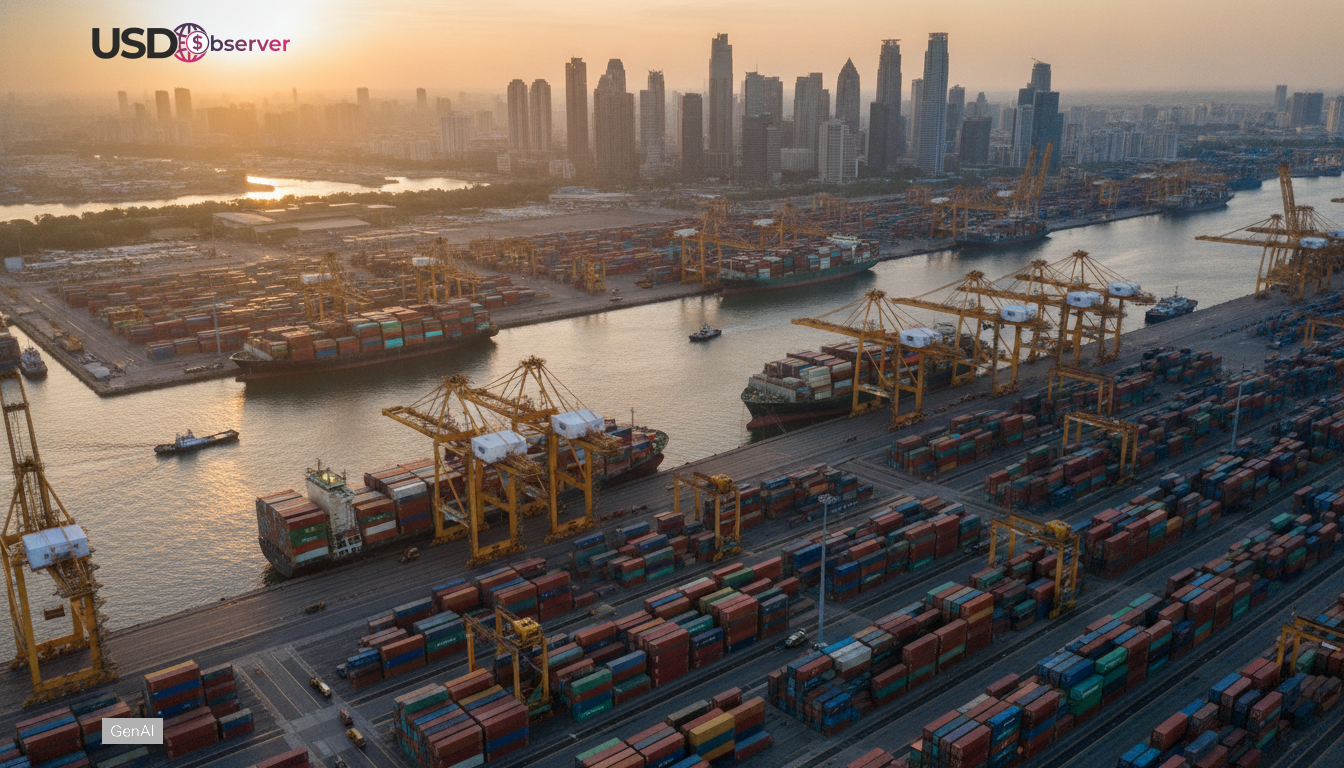
The global economy absorbed the shock by rerouting trade rather than stopping it, and the trade effects show up in shipping patterns, rules of origin paperwork, and the geography of assembly. Importers shifted some final assembly into third countries, while exporters hunted for markets less exposed to US tariffs and compliance scrutiny. In the middle of that churn, policy watchers drew parallels with other areas where regulation suddenly reshapes flows, such as the debate highlighted in recent USD index market coverage. Diversion has been costly, with more time spent on certification and more reliance on intermediaries, which diluted efficiency even when volumes held up. For a quick Update on how the rerouting trend has been tracked in mainstream reporting, The Economist’s trade briefings have repeatedly pointed to trade diversion as a defining feature of the post tariff map.
Sector-Specific Challenges and Changes
Pressure has not been evenly shared, and the sector story explains why the policy left a longer imprint than a one off tax. Manufacturers reliant on complex supply chains faced the sharpest friction, especially in electronics, machinery, and auto components where a single product may cross borders multiple times. Agriculture felt the hit differently, as retaliatory measures and purchasing shifts squeezed exporters, forcing some producers into alternative channels and changing storage and hedging behavior. The trade effects also reached services indirectly, with logistics, insurance, and compliance work expanding as firms managed documentation and adjusted routes. A second Live dynamic emerged here, as industry groups monitored exclusions and reclassifications in real time, treating each administrative ruling as a competitive event. For a broader policy angle on cross border digital activity, analysis of digital services trade shows how trade rules now shape growth well beyond physical goods.
Responses from Affected Countries
Governments responded with a mix of retaliation, negotiation, and domestic support, and those choices influenced currency moves and investment decisions. China matched many measures with tariffs of its own, while the EU, Canada, and others targeted politically sensitive US exports, aiming to apply pressure without detonating their own supply chains. Several countries also accelerated industrial policy tools, including subsidies and local content incentives, to reduce exposure to future tariff shocks. This is where the global economy angle becomes most visible, because retaliatory lists changed demand patterns in commodities, altered import substitution plans, and nudged firms toward reshoring or nearshoring. The best read is not in speeches but in customs data and dispute filings, and an Update in regulatory intensity is apparent in how often governments now cite national security or strategic autonomy. For context on how geopolitics feeds into economic security planning, coverage of the Strait of Hormuz link to global stability captures the same playbook in a different arena.
Long-Term Economic Outlook
The long view is that Trump’s tariffs helped normalize the idea that trade policy can be used as a recurring lever, and that expectation changes investment horizons. Firms that once optimized for lowest cost now build redundancy, accept higher inventories, and pay more for diversified sourcing, which raises the baseline price level even without new tariff rounds. For the US, higher input costs can wash through to consumer prices, while exporters face the risk that foreign partners harden their own barriers, limiting market access. For trading partners, the challenge is balancing resilience with efficiency, especially where supply chain relocation strains infrastructure and labor markets. Today, the most durable shift is psychological, companies assume policy volatility is part of doing business, and they budget for it like freight or insurance. A final Update came as broader media tracked the debate over whether tariffs achieved strategic goals, with BBC reporting on tariff legacy discussions reflecting how the argument has moved from theory to measured outcomes.