Global financial markets remained on edge as Brent crude oil surged sharply, heading for its strongest monthly performance on record while stocks struggled to find direction. Investors are increasingly concerned that escalating tensions in the Gulf region could trigger a prolonged energy shock, driving inflation higher and slowing economic growth worldwide. The surge in oil prices has become the central focus for markets, influencing equities, currencies and commodities simultaneously. While some regions showed limited recovery, overall sentiment remains fragile as traders brace for continued volatility tied to geopolitical developments.
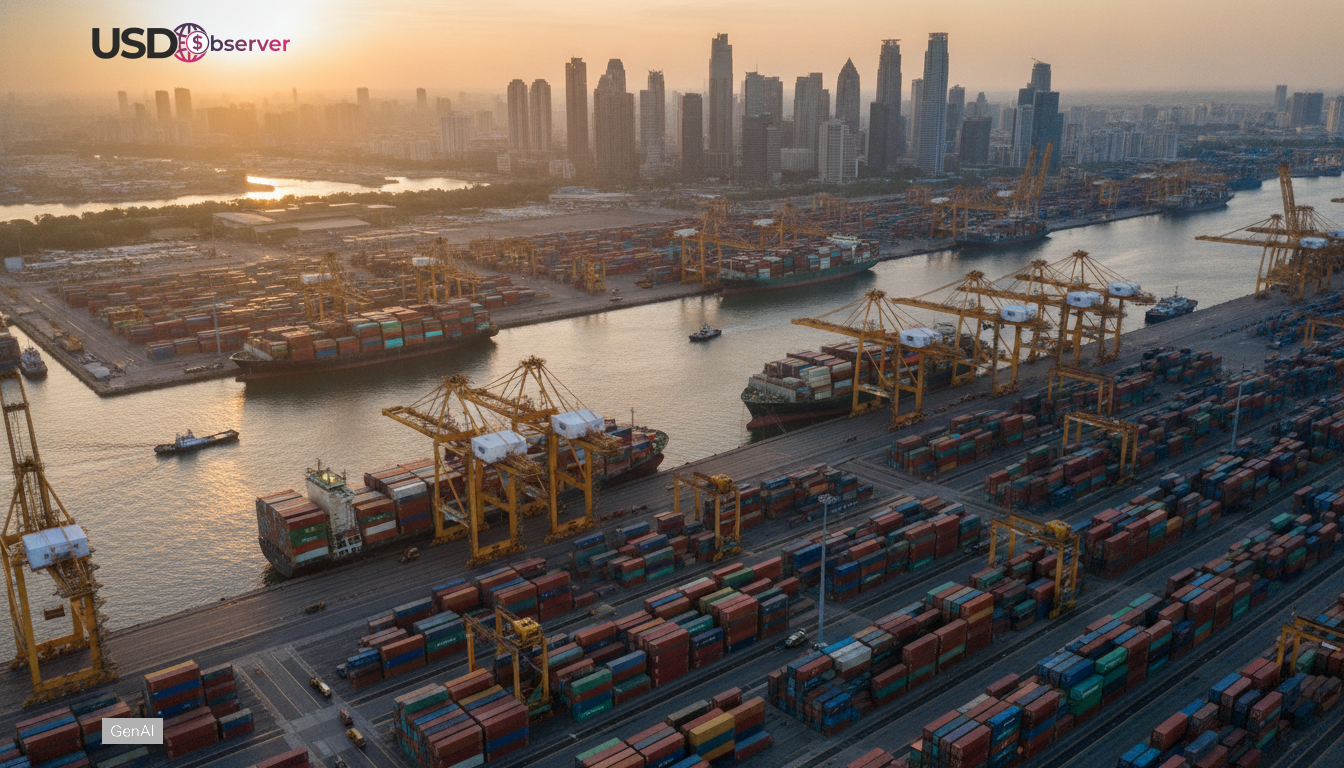
Brent crude climbed about 2 percent to near 115 dollars per barrel, putting it on track for a nearly 60 percent rise in March, one of the most dramatic monthly increases in modern market history. The rally reflects fears over potential disruptions in the Strait of Hormuz, a critical route for global oil and gas shipments. Asian markets, which are heavily dependent on Gulf energy supplies, declined sharply, with Japan’s Nikkei index dropping significantly. European equities managed modest gains, while U.S. futures pointed to a cautious rebound, highlighting the uneven global response to the crisis.
The current market environment is being shaped by uncertainty around the duration and intensity of the conflict. Donald Trump has issued renewed warnings to Iran regarding access through the Strait of Hormuz, raising concerns about further escalation. At the same time, diplomatic efforts are emerging, with countries signaling interest in hosting talks to de-escalate tensions. Analysts note that the wide range of possible outcomes is making it difficult for investors to position confidently, as the situation could shift rapidly depending on political and military developments.
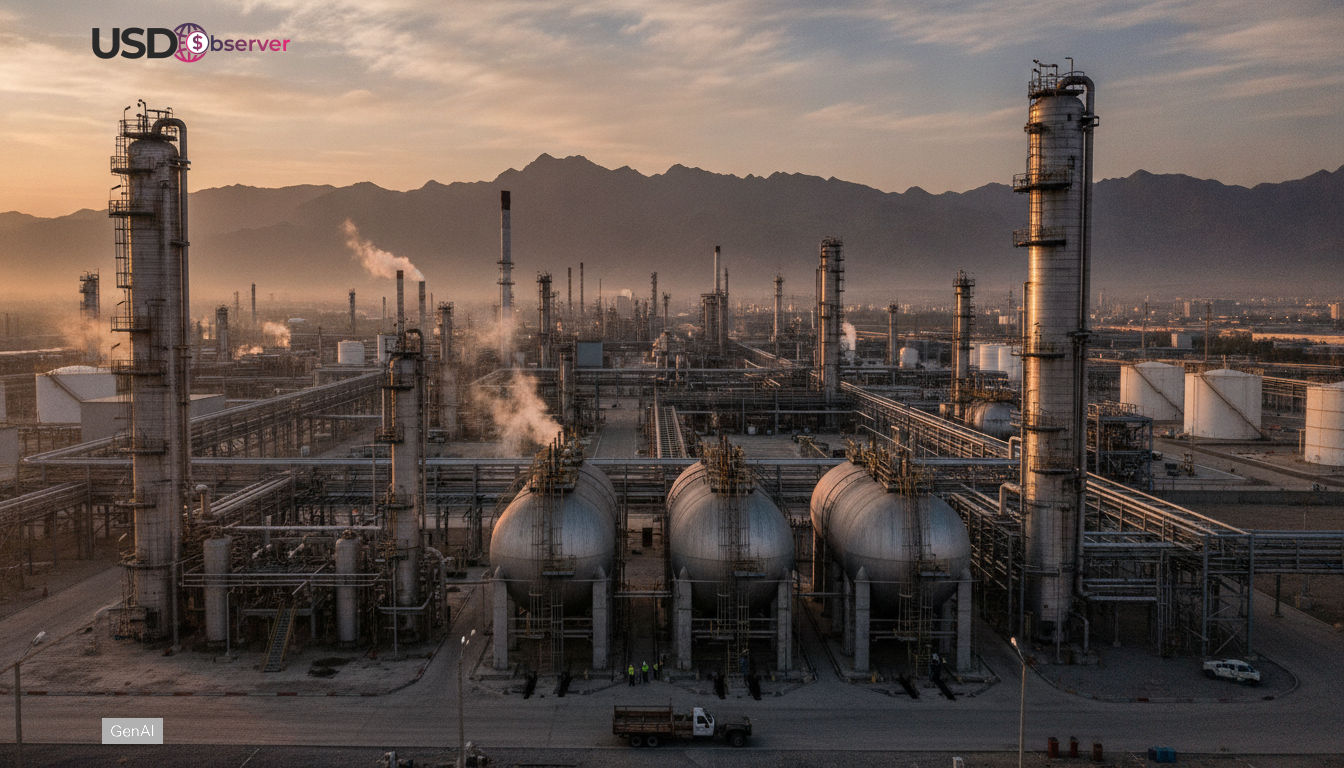
Market experts say oil has become the primary driver of global financial conditions, with rising energy prices feeding directly into inflation expectations. Higher costs for fuel, transport and industrial inputs are already pushing up prices across sectors including food, manufacturing and logistics. Economists warn that if supply disruptions persist, oil prices could climb even further, potentially reaching extreme levels that would strain both consumers and businesses. The inflation shock is also forcing central banks, including the Federal Reserve, to reconsider monetary policy paths, reducing the likelihood of interest rate cuts in the near term.
Commodity markets have also reacted strongly, with aluminum prices reaching four year highs after reported strikes on key production facilities in the Middle East. The ripple effects of the conflict are extending beyond energy into broader supply chains, raising concerns about shortages and higher input costs across industries. Meanwhile, bond markets are facing pressure from rising yields as governments deal with increased borrowing needs tied to defense spending and economic support measures. Currency markets reflect this uncertainty, with the U.S. dollar strengthening due to its safe haven status and the country’s position as a net energy exporter.
Investors are now closely watching upcoming economic data and central bank signals for further direction. Speeches from Jerome Powell and John Williams are expected to provide insights into how policymakers plan to respond to rising inflation risks. Key economic indicators, including employment and manufacturing data, will also play a critical role in shaping market expectations. As the global economy faces mounting pressure from energy shocks and geopolitical instability, financial markets are likely to remain highly sensitive to both economic data and developments in the Gulf region.