Global financial markets weakened on Thursday as oil prices surged above $105 per barrel, intensifying concerns about prolonged instability in the Middle East and its ripple effects on inflation and economic growth. Investors moved cautiously as tensions escalated between Iran and the United States, with uncertainty around diplomatic progress adding pressure across equities and bond markets. The U.S. dollar strengthened as a safe haven, while major stock indexes in the United States and Europe posted losses. The shift in market sentiment reflects growing fears that sustained conflict could disrupt global energy supply and drive broader financial volatility.
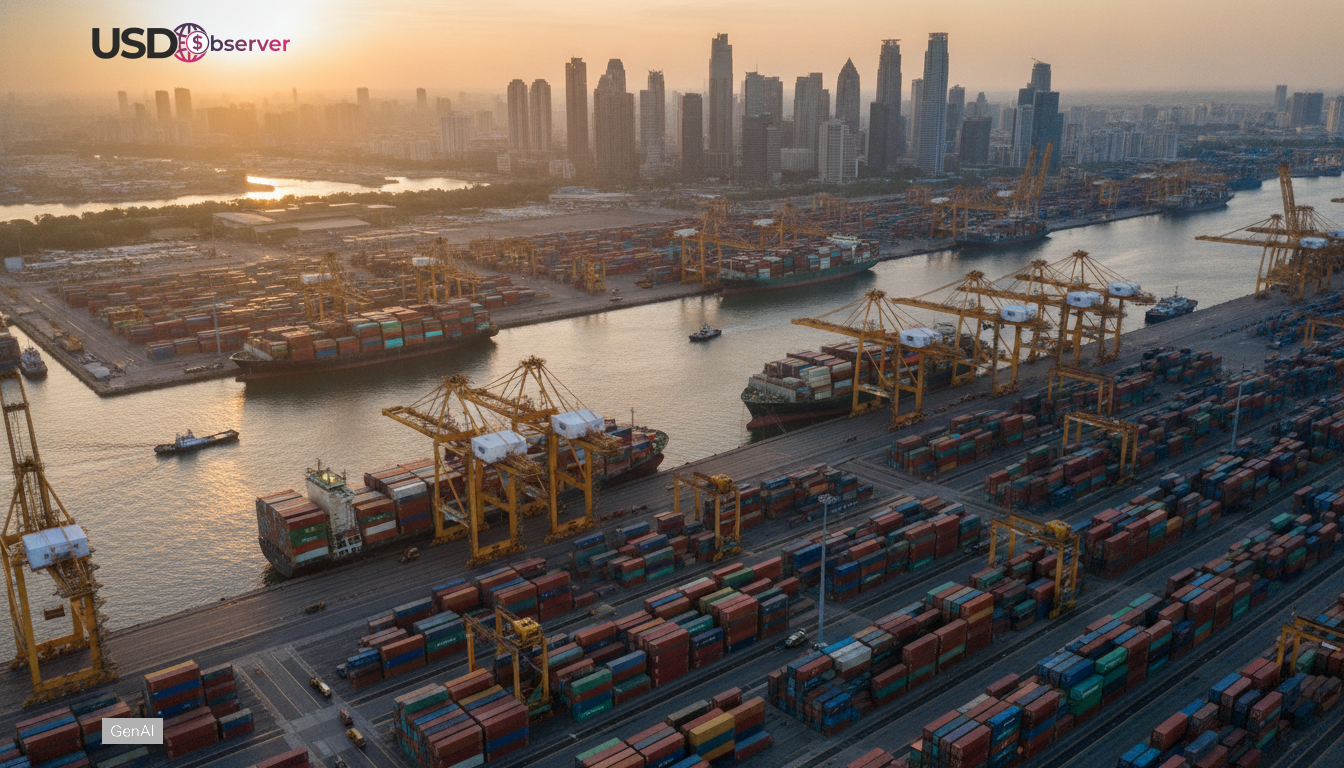
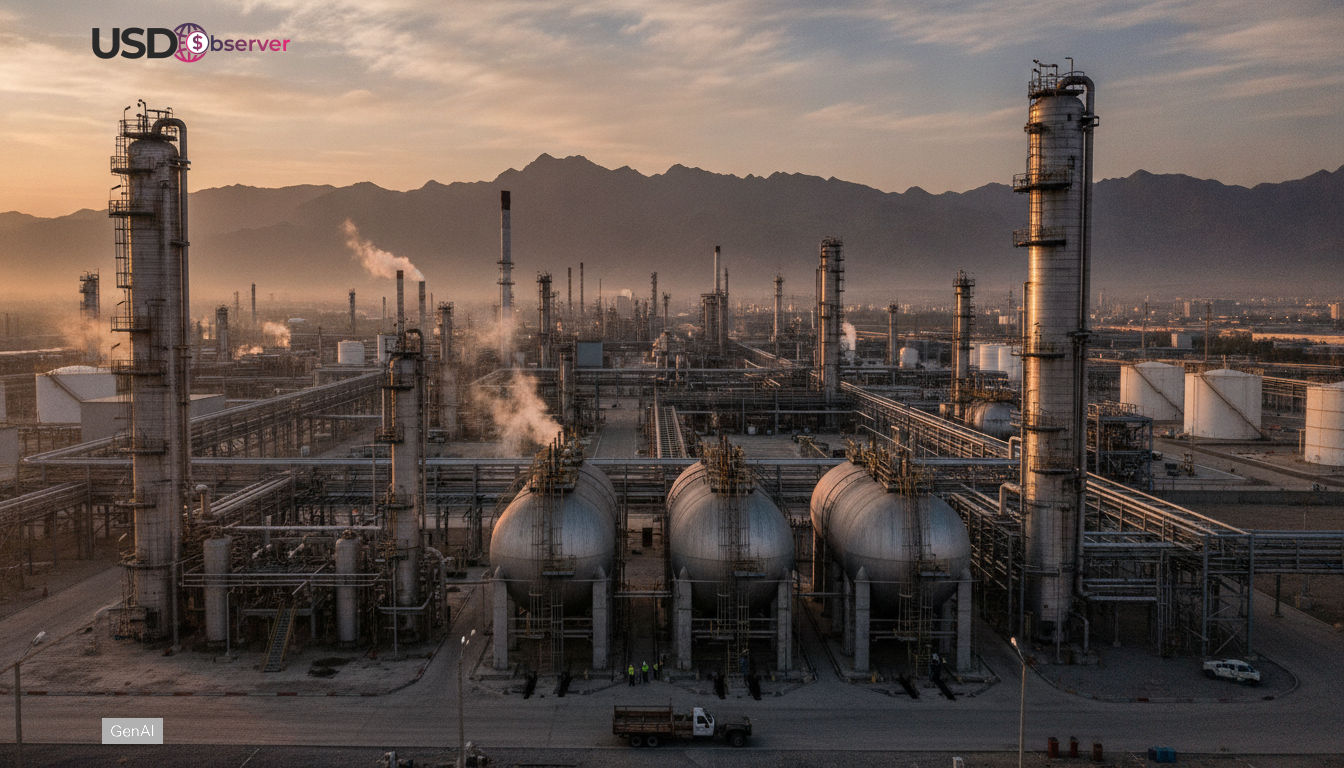
Brent crude climbed sharply to around $106.99 per barrel, while U.S. crude traded near $93.64, as investors priced in potential supply disruptions linked to the ongoing conflict. The situation has effectively shut down the Strait of Hormuz, a critical route for a significant share of global oil and liquefied natural gas shipments. Equity markets reacted negatively, with the Nasdaq leading declines, while the S&P 500 and Dow Jones also moved lower. European markets followed a similar trend, and Asian indexes saw notable losses, particularly in South Korea and Hong Kong, as rising energy costs weighed on investor confidence.
Market analysts say oil prices have become the central driver of global financial movements, with geopolitical tensions dictating short term direction. The lack of clear diplomatic engagement has amplified uncertainty, with Iran reviewing proposals but denying active negotiations to end hostilities. This has fueled concerns that the conflict could extend further, increasing the likelihood of sustained high energy prices. Rising oil costs are already feeding into inflation expectations, which in turn are reshaping monetary policy outlooks and reducing optimism for interest rate cuts in major economies this year.
According to market strategists, the current environment highlights how sensitive global markets are to energy shocks and geopolitical developments. Experts note that continued escalation could keep markets volatile until clear signals of de escalation emerge. Investors are closely watching statements from political leaders, including calls for Iran to engage seriously in negotiations. Analysts emphasize that until meaningful talks begin, oil driven market fluctuations are likely to persist, affecting equities, currencies and bond markets simultaneously.
Bond markets also experienced significant pressure, with yields rising across major economies as investors adjusted expectations for inflation and central bank policy. U.S. Treasury yields climbed, reflecting concerns that higher energy costs could prolong inflationary pressures. Similar movements were observed in Europe and Japan, where yields reached elevated levels amid expectations of tighter monetary policy. Central banks are now facing a more complex environment as they balance inflation risks against slowing economic growth, a challenge that could shape policy decisions in the coming months.
Currency markets showed a clear shift toward safety, with the U.S. dollar gaining strength against major currencies such as the euro and the Japanese yen. The dollar index edged higher, signaling renewed demand for the greenback during periods of global uncertainty. At the same time, gold prices declined despite geopolitical tensions, as the stronger dollar reduced demand for the precious metal. This unusual dynamic reflects how currency movements can override traditional safe haven behavior in commodities during periods of financial stress.
The broader economic implications of the conflict are becoming more visible as countries and investors adjust to a changing risk environment. Some governments have already begun responding to market turbulence, with emergency policy discussions taking place in parts of Asia. Meanwhile, financial institutions are reassessing growth forecasts and portfolio strategies in light of rising energy prices and geopolitical uncertainty. The evolving situation continues to shape investor sentiment, with markets remaining highly sensitive to any new developments or shifts in the conflict trajectory.