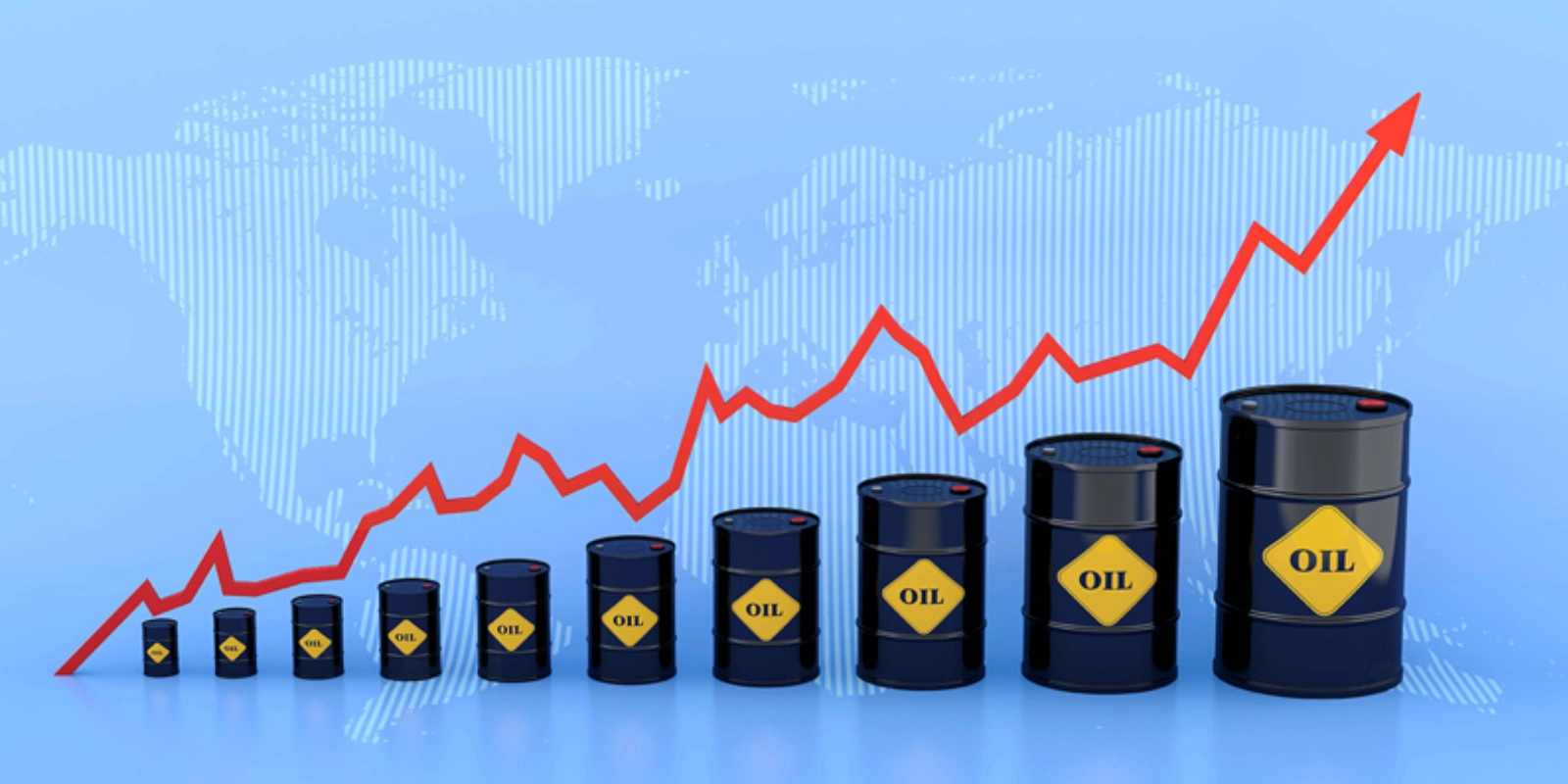
Overview of Recent Oil Price Changes
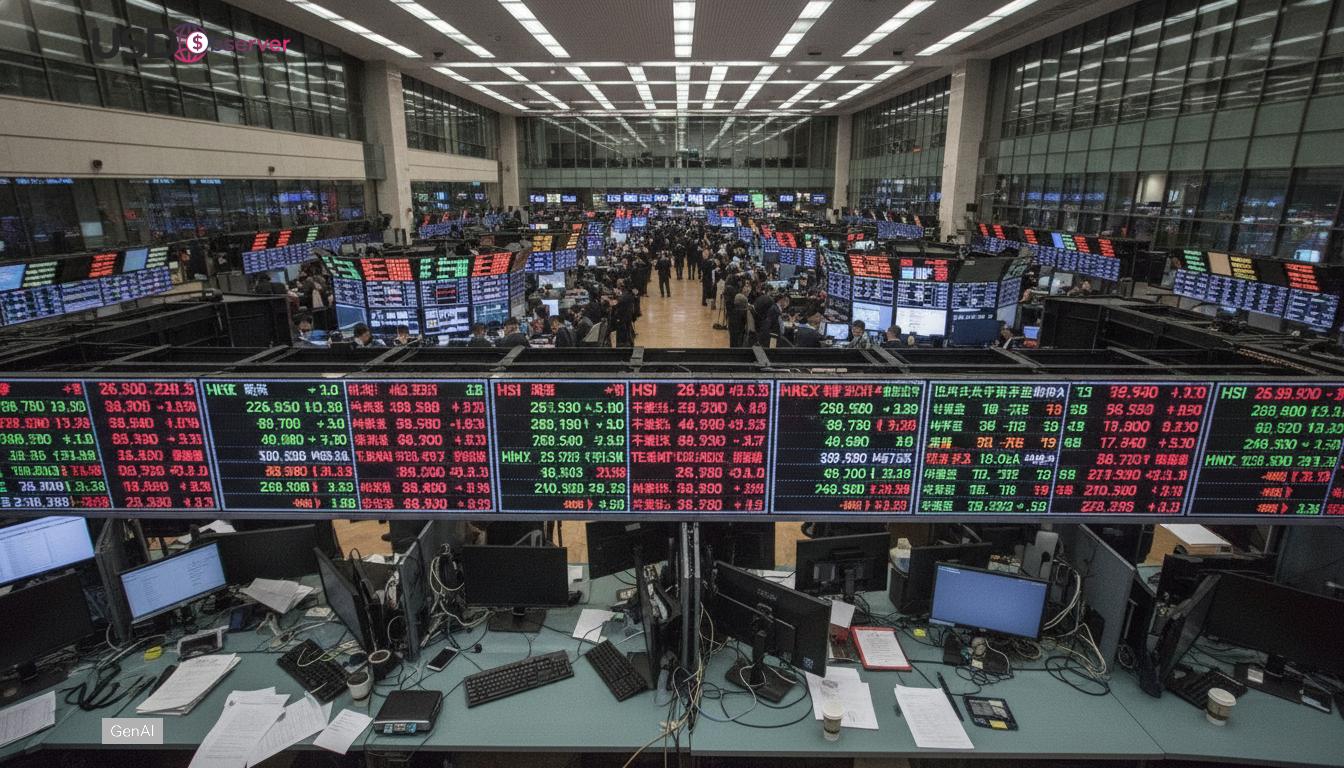
Minutes before the post about Trump’s Iran talks hit the wires, oil traders were already leaning into risk, committing heavy capital as headlines hinted at a shift in Middle East diplomacy. That timing matters because the tape action has been driven less by steady supply-demand math and more by abrupt repricing of geopolitics, shipping routes, and expectations for enforcement. In recent sessions, global oil prices have swung on every incremental update, pushing implied volatility higher and widening intraday ranges that punish complacency. The fastest moves clustered around news flashes and thin liquidity, a classic pattern when macro funds and systematic strategies chase momentum. Coverage of the earlier jolt is detailed in this report on markets reacting to Iran-talk headlines, underscoring how quickly sentiment can turn.
Economic Implications for Major Economies
The economic implications land unevenly, like a hard tackle that changes the game plan for some teams and opens lanes for others. Import-dependent economies face an immediate cost shock that feeds headline inflation, squeezes household purchasing power, and forces businesses to choose between passing through higher transport and input costs or eating margin compression. That pressure is clearest where services inflation is already sticky, because energy filters into everything from food logistics to air travel. The UK’s dilemma is instructive, where policy makers must weigh demand weakness against the inflation pulse; coverage of the UK inflation print amid an oil shock shows how quickly energy can reshape expectations. Exporters, meanwhile, get a fiscal lift and improved trade balances, but higher prices can also invite political intervention and accelerate diversification away from crude.
Impact on USD and Forex Markets
The forex impact is typically decided by two competing forces: oil’s inflationary impulse that can keep rates higher for longer, and the rush into perceived safety when geopolitical risk rises. For the dollar, that often means strength versus risk-sensitive currencies even when higher energy costs worsen the U.S. trade balance, because funding markets and global hedging flows still treat the USD as the primary shelter. Commodity-linked currencies can diverge sharply: exporters may benefit from improved terms of trade, while importers suffer as energy bills widen current-account gaps. The clearest signal comes when USD demand spikes alongside higher crude, a pairing that tightens global financial conditions. This update on safe-haven dollar demand during escalation fears captures the transmission from conflict headlines to FX positioning, as rate expectations and risk appetite reprice in real time.
Commodity Market Reactions
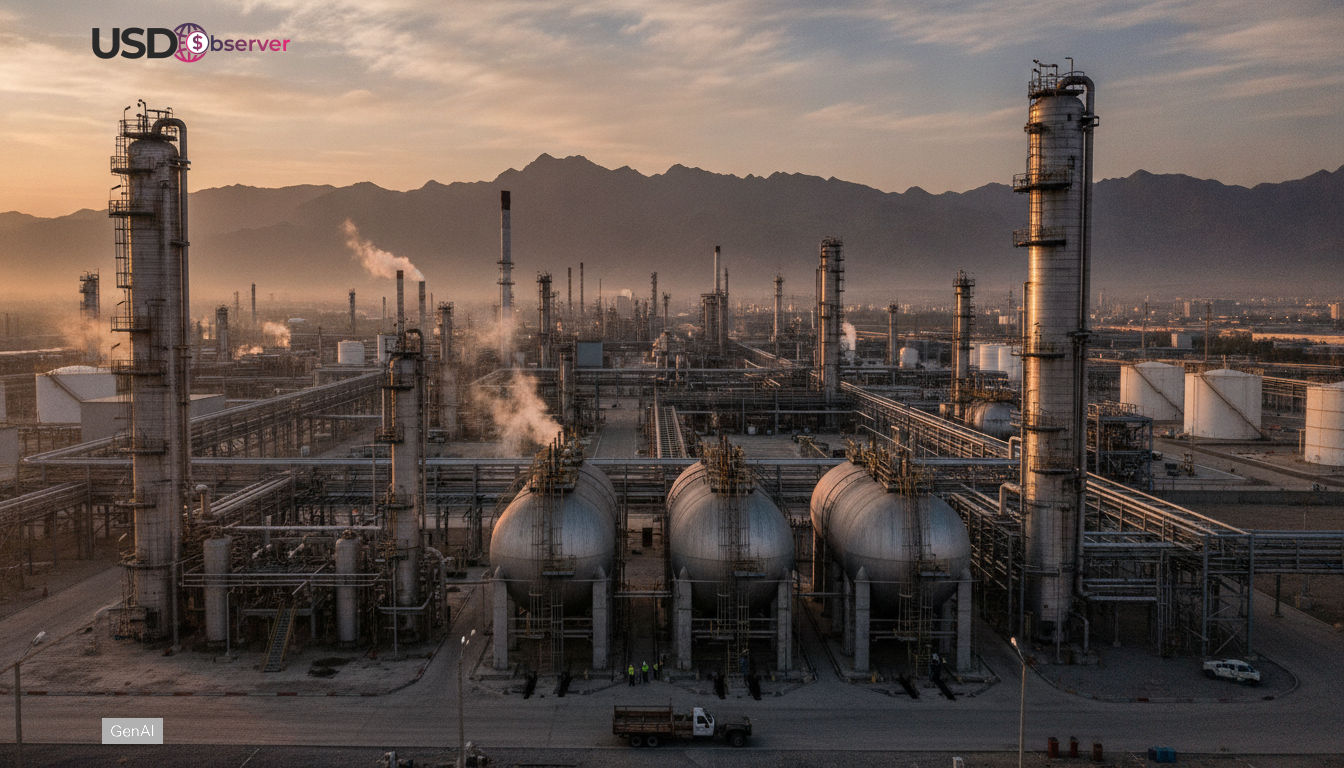
Across commodity markets, oil’s surge acts like a captain’s call that resets the entire formation. Refined products frequently lead, with cracks widening when traders fear supply disruption or refinery constraints, and that ripples into freight and manufacturing inputs. Natural gas, coal, and electricity benchmarks can follow depending on substitution and regional constraints, while industrial metals respond to the growth hit implied by higher energy and transport costs. Agricultural prices are not immune either, because fertilizers and diesel are embedded in the cost base. The more important point is correlation: when energy spikes on geopolitical risk, diversification benefits across commodities often weaken, and cross-asset volatility rises. Analysts at Investing.com’s energy markets pages have tracked how front-month contracts react faster than the back curve, a structure that signals immediate scarcity fears rather than long-run demand optimism.
Future Outlook and Predictions
Looking ahead, the path for prices is likely to be determined by policy signals, physical flows, and market plumbing rather than sentiment alone. If diplomatic communication reduces perceived disruption risk, volatility can fall even if barrels stay tight; if it fails, risk premia can become embedded in forward curves and options skew. The key watchpoints are shipping security, compliance with export controls, and whether strategic inventories are tapped to smooth spikes. Central banks will focus on second-round effects, particularly wage and services inflation, while governments weigh targeted relief against budget constraints. Coverage from Bloomberg’s commodity reporting has emphasized that positioning can magnify short-term moves when liquidity thins, so the market’s next decisive swing may come from how quickly traders are forced to de-risk or add length as headlines evolve.