Current Oil Price Trends
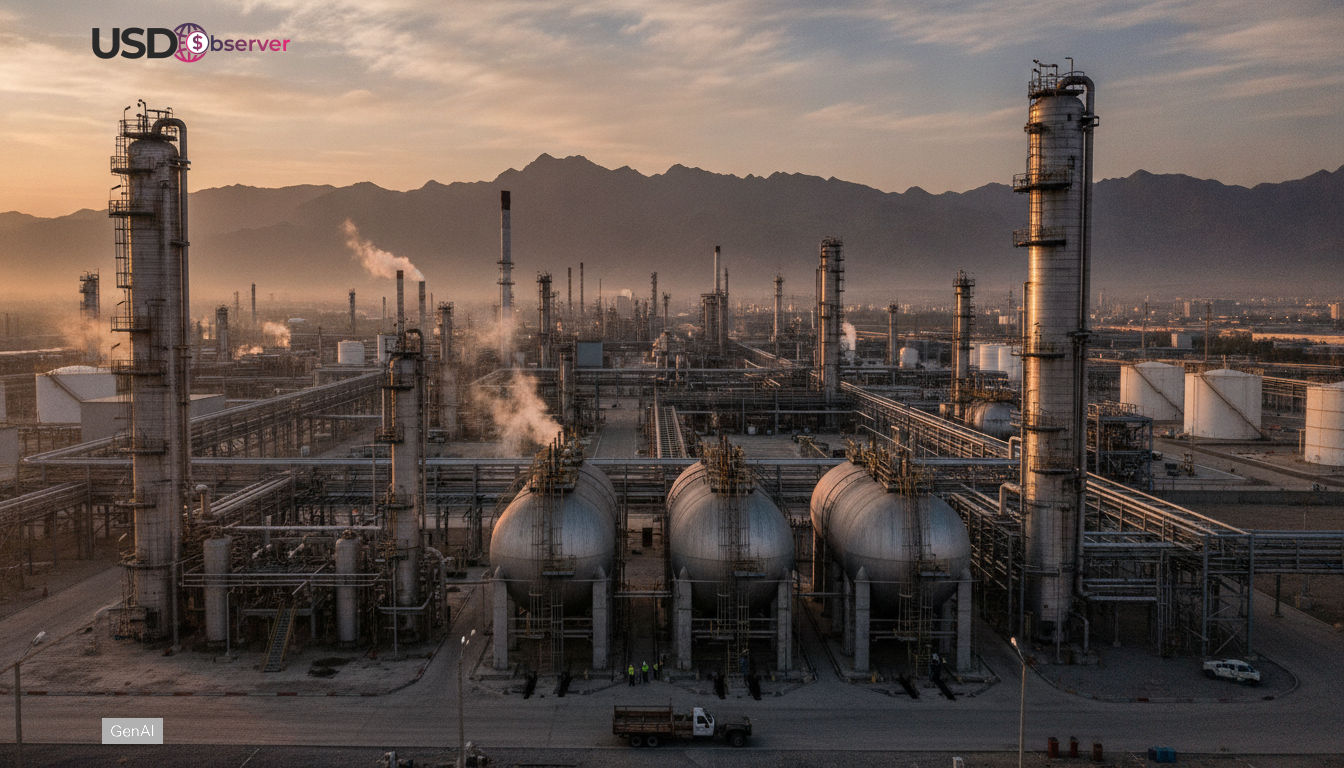
Oil price volatility returned to the foreground as crude slid after fresh headlines framed Washington’s posture toward Tehran in more conciliatory terms. The move looked less like a shift in physical balances and more like a rapid repricing of headline risk, with traders shaving off the geopolitical premium that had built into prompt contracts. Intraday swings were amplified by thin liquidity and options positioning around key technical levels, a setup that can exaggerate momentum when news hits. The market’s immediate message was clear: when conflict risk is perceived to ease, barrels are priced as available, and risk premia deflate quickly even without new export data or inventory surprises.
US-Iran Negotiation Speculations
US-Iran relations remain the hinge for this particular round of pricing, because the negotiations narrative affects expectations about sanctions enforcement and the probability of disruption around chokepoints. Comments suggesting progress were interpreted as lowering the odds of escalation, and that interpretation mattered more than the precise diplomatic details that remain unverified. Reuters reporting has repeatedly shown how quickly energy markets respond to political messaging when the Strait of Hormuz is part of the backdrop. Context from recent coverage of regional risks, including US-Iran tensions pushing oil prices above $100, helps explain why even modestly positive signals can trigger outsized reaction: the premium being removed was accumulated during periods of anxiety rather than on measured supply losses.
Impact on Forex Markets
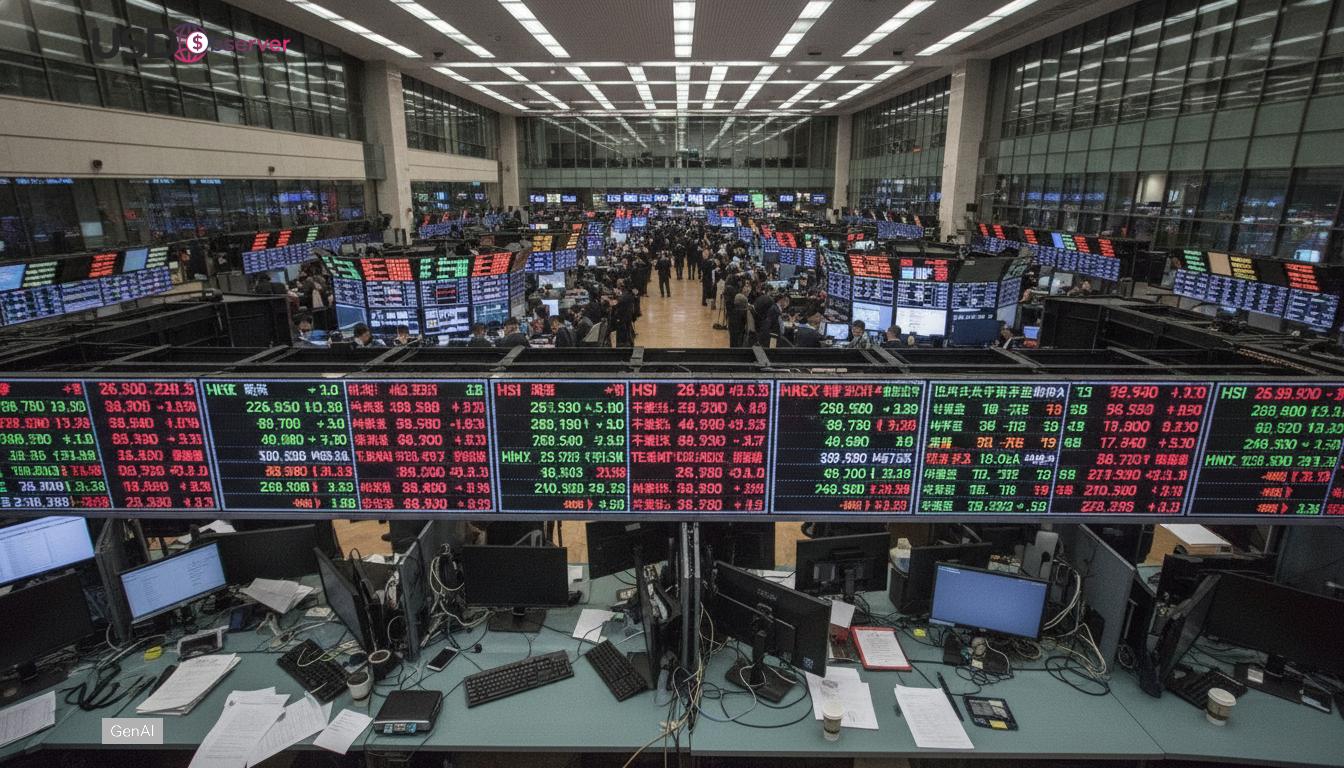
The first cross-asset transmission ran through forex markets, where lower crude prices tend to relieve imported inflation pressures for energy-consuming economies while squeezing terms of trade for producers. The dollar’s response often depends on whether the oil move is treated as a risk-on release or a growth warning; this time, the tone leaned toward risk relief, nudging safe-haven bids lower in early pricing. That dynamic aligns with prior sessions in which war-driven energy spikes lifted defensive demand, as detailed in dollar strengthens on safe-haven demand. For traders, the actionable point is correlation instability: when geopolitical risk is the driver, crude can lead FX in short bursts, but the relationship can flip once rates, carry, and macro data reclaim control.
Global Economic Implications
For the global economy, the immediate implication of softer crude is breathing room on inflation prints and subsidy burdens, but the broader message is that energy remains a headline-driven tax with abrupt changes in incidence. Importers get a short-term tailwind through lower transport and input costs, yet the same drop can signal reduced confidence in near-term demand if the selling persists beyond the initial de-risking. Bloomberg’s market coverage frequently highlights how fast energy moves can spill into equities and credit via inflation expectations and central bank reaction functions. The most useful lens is distributional: lower oil eases stress for consumers and manufacturers, while producers and petro-linked fiscal budgets absorb the shock, a pattern visible in Russia’s oil budget rule debate when prices swing.
Future Outlook for Oil Prices
Next pricing will be set by whether diplomacy headlines translate into measurable reductions in disruption risk or sanctions uncertainty, and by how quickly physical indicators confirm or contradict the paper market move. A durable downshift would require either sustained calm around shipping routes, clearer evidence of spare supply reaching the market, or weaker demand indicators that overpower the risk premium. Conversely, any reversal in tone could reinsert the premium rapidly because the market has already demonstrated sensitivity to narrative shifts. Recent monitoring of maritime risk, including Iran and conditional Strait of Hormuz passage, shows why traders keep optionality elevated. For immediate reading on the diplomatic angle, the BBC’s report at BBC coverage of the latest developments adds timely context alongside wires.
Future Outlook for Oil Prices
Positioning and volatility markets will likely stay the story even if spot prices drift, because implied volatility tends to remain sticky after a regime of headline shocks. When options dealers hedge into sharp moves, they can mechanically add to trend days, and the unwind can be just as violent when the catalyst fades. That matters for execution: spreads widen, stop levels get hunted, and the apparent “directional” move can be largely microstructure. Traders tracking energy’s impact on broader portfolios should watch how equities and rates respond to the same news, since a calmer oil tape can reduce inflation fears but also lower energy-sector earnings expectations. The clean takeaway is disciplined: until US-Iran relations produce verifiable de-escalation signals, oil price volatility should be treated as a baseline condition rather than a temporary anomaly.