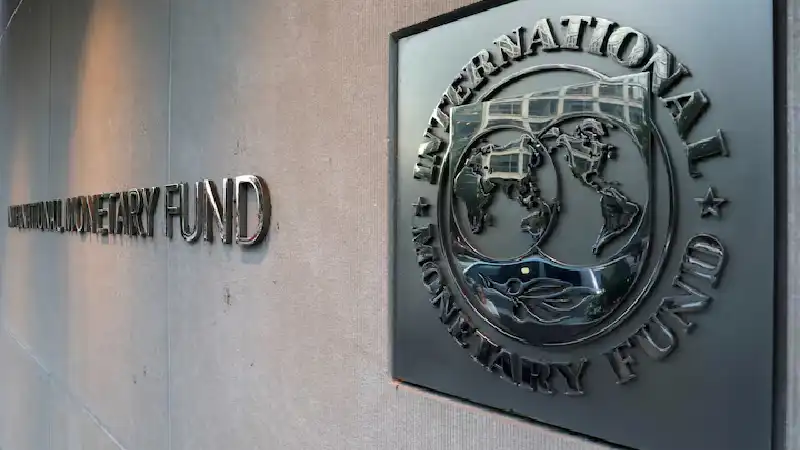
Mozambique is set to receive a visit from the International Monetary Fund in the coming months as the country faces mounting financial pressure and limited access to funding sources. Authorities are seeking support to stabilize public finances as debt levels continue to rise and borrowing conditions become increasingly constrained. The planned engagement comes at a critical time for the Southern African economy, where fiscal challenges are intensifying and investor confidence remains fragile following years of financial instability.
Market indicators highlight the severity of the situation, with Mozambique’s sovereign bond spread exceeding 1300 basis points over U.S. Treasuries, a level often associated with distressed debt conditions. This reflects growing concern among investors about the country’s ability to manage its obligations amid tightening liquidity. The government has been in discussions with the IMF regarding a potential new program after its previous arrangement ended in 2025, with further talks expected during upcoming global financial meetings.
The country’s fiscal position has deteriorated as public debt continues to climb, driven by both external pressures and domestic financing constraints. Official data shows that total public debt increased significantly last year, while reliance on central bank financing surged sharply. Such short term borrowing from the central bank is often seen as a sign that traditional funding channels are under strain, raising concerns about sustainability and the potential for broader financial instability.
Mozambique has increasingly turned to domestic markets to meet its financing needs, but local banks are approaching their limits in absorbing government debt. At the same time, external financing flows have weakened, with capital outflows now exceeding inflows. This combination has created a challenging environment for policymakers, who must balance immediate funding requirements with long term debt sustainability while avoiding excessive pressure on the financial system.
The country’s economic difficulties are rooted in earlier setbacks, including a major debt scandal that damaged investor trust and reduced access to international markets. Delays in large scale natural gas projects, which were expected to drive growth and generate revenue, have further constrained fiscal recovery. These factors have compounded existing vulnerabilities and limited the government’s ability to strengthen its financial position through exports and investment.
The upcoming IMF engagement is expected to focus on assessing recent economic developments and outlining potential policy adjustments to restore stability. As Mozambique navigates this period of heightened financial stress, the outcome of discussions with international lenders will be closely watched by investors and policymakers alike. The situation underscores broader challenges faced by emerging economies dealing with rising debt burdens, constrained financing options, and external economic shocks.