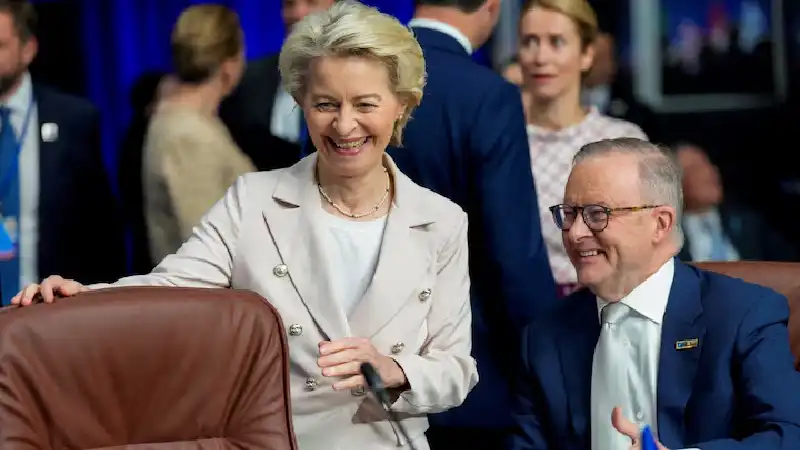
The European Union is entering the final stage of negotiations on a long awaited trade agreement with Australia, signaling a strategic shift in global trade priorities as the bloc seeks to diversify partnerships amid rising geopolitical and economic pressures. Officials indicate that discussions have reached the final stretch, with leadership from both sides working to resolve outstanding issues. The deal is being closely watched as part of a broader European effort to reduce reliance on traditional partners and strengthen supply chains in an increasingly fragmented global trade environment.
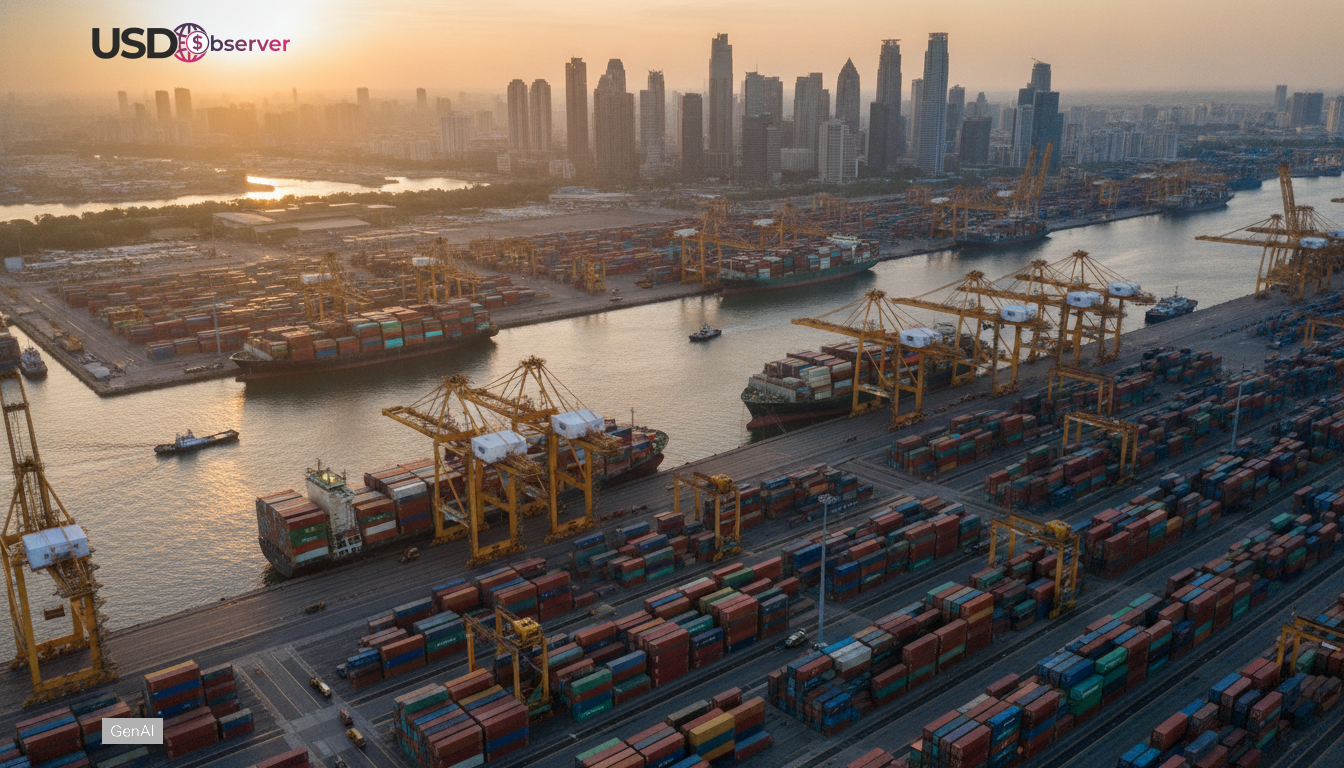
The agreement is expected to significantly expand trade flows between the two economies, with projections suggesting a notable increase in European exports over the coming decade. Current trade volumes already reflect a strong relationship, with tens of billions of euros in goods and services exchanged annually. A finalized deal would reduce tariffs and streamline market access, potentially eliminating substantial costs for exporters. European industries including automotive, machinery, wine and spirits are expected to benefit from improved access to the Australian market, where existing duties have limited competitiveness in key sectors.
The push to finalize the agreement comes as the European Union responds to shifting global trade dynamics, including rising tariffs and export restrictions from major economies. Policymakers are increasingly focused on building resilient trade networks that can withstand disruptions and reduce dependency on any single region. Australia’s role as a stable supplier of critical raw materials adds to its strategic importance, particularly as demand grows for resources linked to energy transition and advanced manufacturing. Strengthening ties with resource rich partners has become a central element of Europe’s economic strategy.
One of the key challenges in the negotiations has been balancing market access for agricultural products, which previously led to a breakdown in talks. European officials are working to address domestic concerns by introducing quotas on sensitive imports such as beef, lamb and sugar, while still allowing for expanded trade volumes. These measures are aimed at protecting local producers while advancing broader economic objectives. The outcome of these negotiations will be closely scrutinized by stakeholders across both regions, particularly in sectors directly affected by increased competition.
Beyond trade volumes, the agreement is expected to enhance cooperation in areas linked to supply chain security and resource access. Australia’s reserves of critical minerals such as lithium, aluminium and manganese are of growing importance to European industries, especially in the context of energy transition and technological development. Securing reliable access to these materials is seen as essential for maintaining industrial competitiveness and reducing exposure to supply disruptions in other regions.
The broader economic context is also shaping the urgency of the deal, with global markets facing increased uncertainty due to geopolitical tensions and evolving trade policies. The European Union has accelerated negotiations with multiple partners in recent months as part of a coordinated effort to strengthen economic resilience. Agreements with other countries have already been reached, reflecting a proactive approach to reshaping trade relationships in response to changing global conditions.
In the near term, final negotiations are expected to focus on resolving remaining technical and political issues, with leaders aiming to conclude the agreement during ongoing high level discussions. While officials acknowledge that the final phase of negotiations is often the most complex, there is growing optimism that a deal can be reached. The outcome will not only influence trade between Europe and Australia but also signal how major economies are adapting to a more fragmented and competitive global trade landscape.