Rising geopolitical tensions linked to the Iran war are pushing global energy prices sharply higher, creating direct pressure on household budgets and fueling renewed concerns about inflation. Oil markets have reacted quickly to supply risks in the Middle East, sending crude prices above key psychological levels and lifting fuel costs across major economies. The impact is already visible at the consumer level, where higher gasoline and diesel prices are becoming one of the most immediate financial consequences of the conflict, reinforcing how global instability is translating into everyday economic strain.
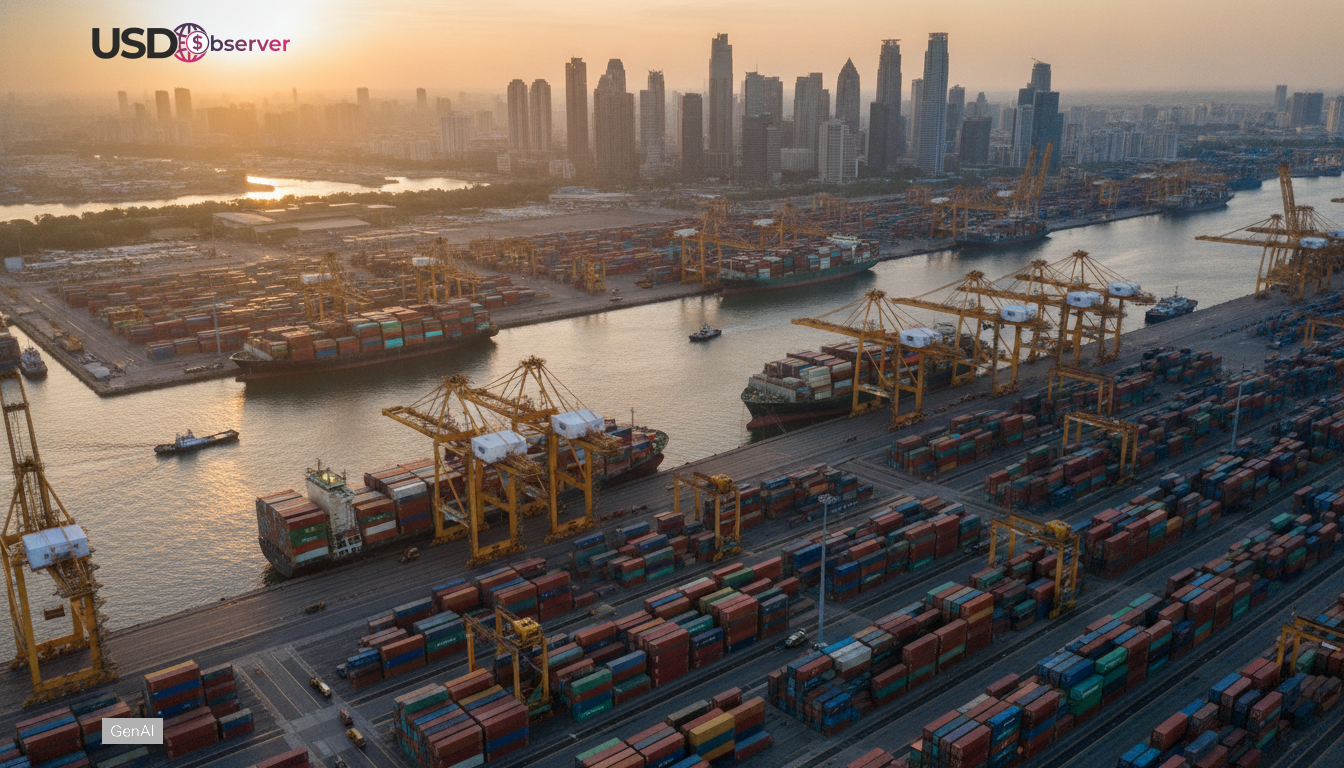
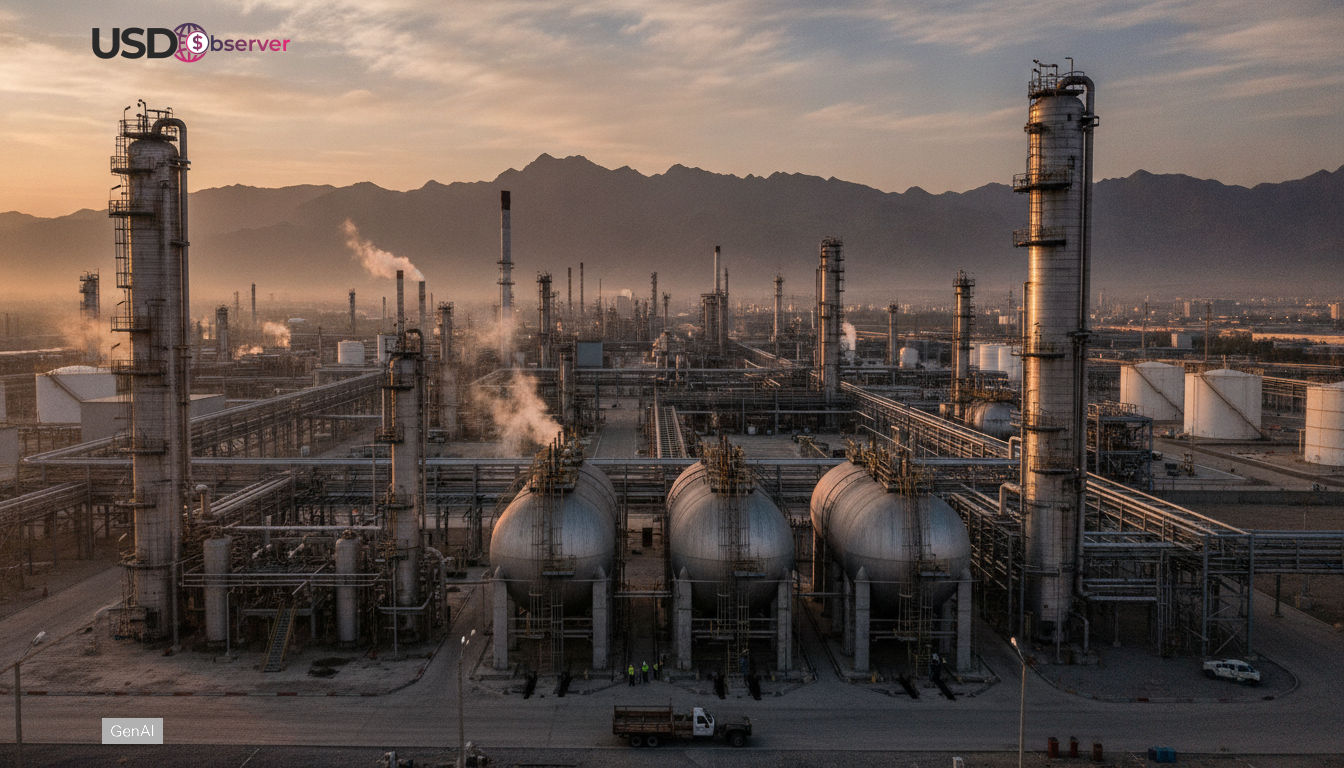
Crude oil prices have climbed above 100 dollars per barrel for the first time since the previous major geopolitical shock, while diesel prices have surged to multi year highs in several markets. In the United States, average gasoline prices have risen significantly within a short period, reflecting tightening supply conditions and rising transportation costs. Energy markets remain highly sensitive to developments around key shipping routes, particularly the Strait of Hormuz, which plays a critical role in global oil flows. Any disruption or perceived risk to supply chains continues to amplify price volatility across commodities.
The surge in fuel costs is expected to ripple through the broader economy, increasing expenses for transportation, manufacturing and logistics. This could feed into higher consumer prices across goods and services, complicating efforts by central banks to manage inflation. Policymakers are already navigating a fragile environment where economic growth remains uneven and borrowing costs are elevated. A sustained rise in energy prices may limit flexibility for future monetary policy decisions, especially if inflation expectations begin to shift upward again.
Market analysts note that fuel prices are one of the most visible and politically sensitive indicators of economic stress. Consumers tend to react quickly to changes at the pump, making energy costs a key factor in shaping sentiment and spending behavior. While some households attempt to adjust through efficiency measures or reduced travel, there are limited short term options to fully offset higher fuel expenses. This makes energy inflation particularly difficult to absorb compared to other categories, as it directly impacts daily routines and essential mobility.
The current situation reflects broader structural dynamics in global energy markets, where supply disruptions can quickly lead to price spikes due to limited spare capacity and ongoing geopolitical risks. Previous conflicts have demonstrated how prolonged instability in oil producing regions can sustain elevated price levels over extended periods. In this environment, investors are reassessing exposure across commodities, currencies and equities as they attempt to balance risk and opportunity amid rising uncertainty.
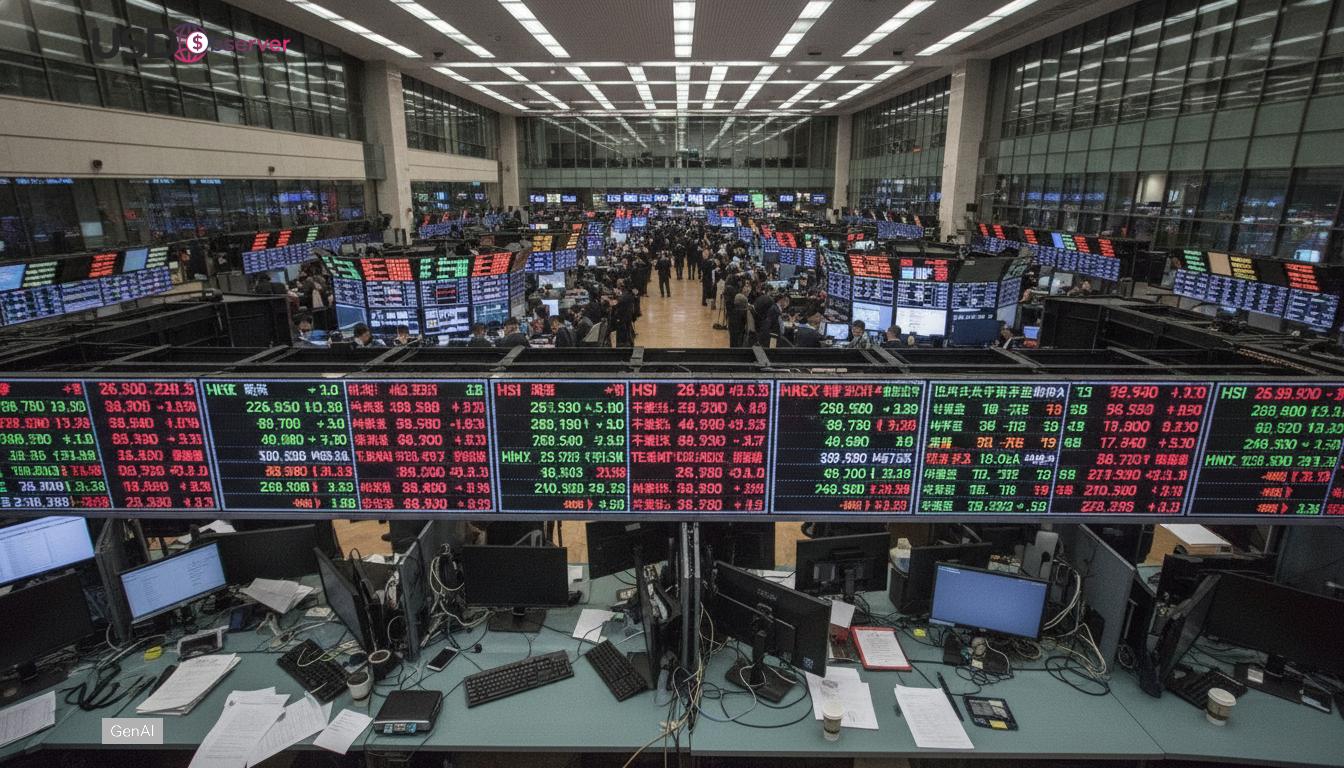
Financial markets have so far shown resilience despite the energy shock, with investors maintaining positions in equities and bonds while monitoring developments closely. However, volatility remains elevated as traders evaluate how long the conflict may persist and whether it could escalate further. The US dollar has also come into focus as capital flows respond to shifting risk conditions, although recent movements suggest a more complex relationship between safe haven demand and broader market dynamics.
In the near term, energy prices are expected to remain sensitive to geopolitical developments, with any escalation likely to trigger further increases. Governments and policymakers are monitoring the situation closely, aware that sustained high fuel costs could weigh on economic growth and consumer confidence. For households, the effects are already being felt through higher transportation and living expenses, underscoring how global events continue to shape local financial realities.