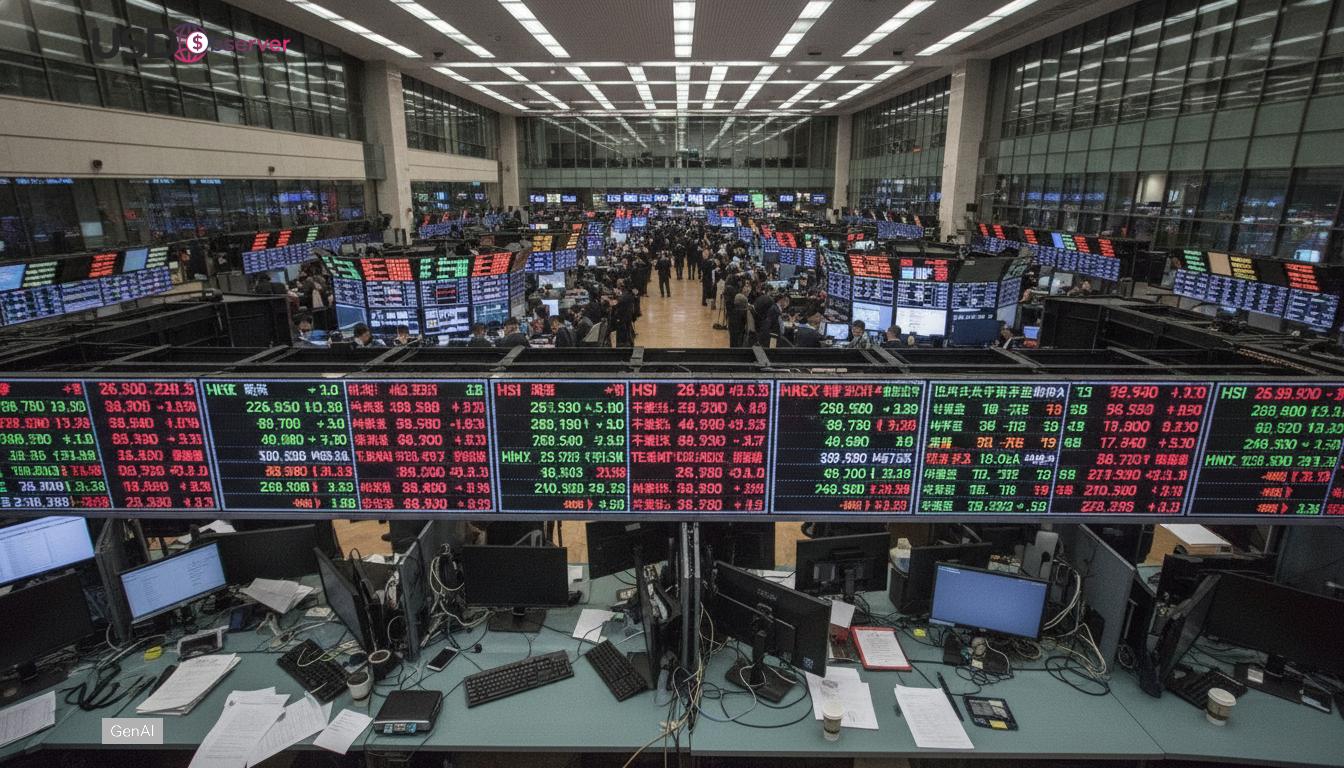
The global growth outlook remains uneven in 2026 as major economies adjust to a slower pace of expansion. While some regions continue to show resilience supported by services and consumer demand, others are experiencing weaker industrial output and slower trade activity. This divergence is shaping investment decisions and influencing how capital is allocated across markets. For investors and policymakers, understanding these differences is essential as global economic conditions become more fragmented and less synchronized than in previous cycles.
Diverging Growth Patterns Shape the Global Economy
Economic growth is no longer moving in a uniform direction across regions. Some economies are maintaining steady expansion due to strong domestic demand, while others are facing structural challenges that limit growth. These differences are becoming more pronounced as global conditions evolve.
This divergence affects how businesses plan investments and how governments design economic policies. Countries with stronger growth prospects are attracting more attention from investors, while those facing slower expansion must focus on stabilizing their economies. As a result, global growth patterns are increasingly defined by regional variation rather than broad based momentum.
Advanced Economies Show Mixed Performance
Advanced economies are experiencing different growth trajectories. Some countries continue to benefit from stable consumption and services activity, while others face pressure from weaker manufacturing sectors. These variations reflect differences in economic structure and policy responses.
Monetary policy also plays a role in shaping growth outcomes. Central banks in advanced economies are adjusting their strategies based on inflation trends and economic conditions. These policy decisions influence borrowing costs, investment activity, and overall economic performance.
Emerging Markets Face External Pressures
Emerging markets are navigating a more complex environment influenced by external factors such as capital flows and currency movements. Slower growth in major economies can reduce demand for exports, affecting economic performance in these regions.
At the same time, higher interest rates in developed markets can lead to capital outflows from emerging economies. This dynamic can create additional challenges, including currency pressure and tighter financial conditions. Policymakers in these countries must balance growth objectives with financial stability.
Trade and Investment Trends Adjust
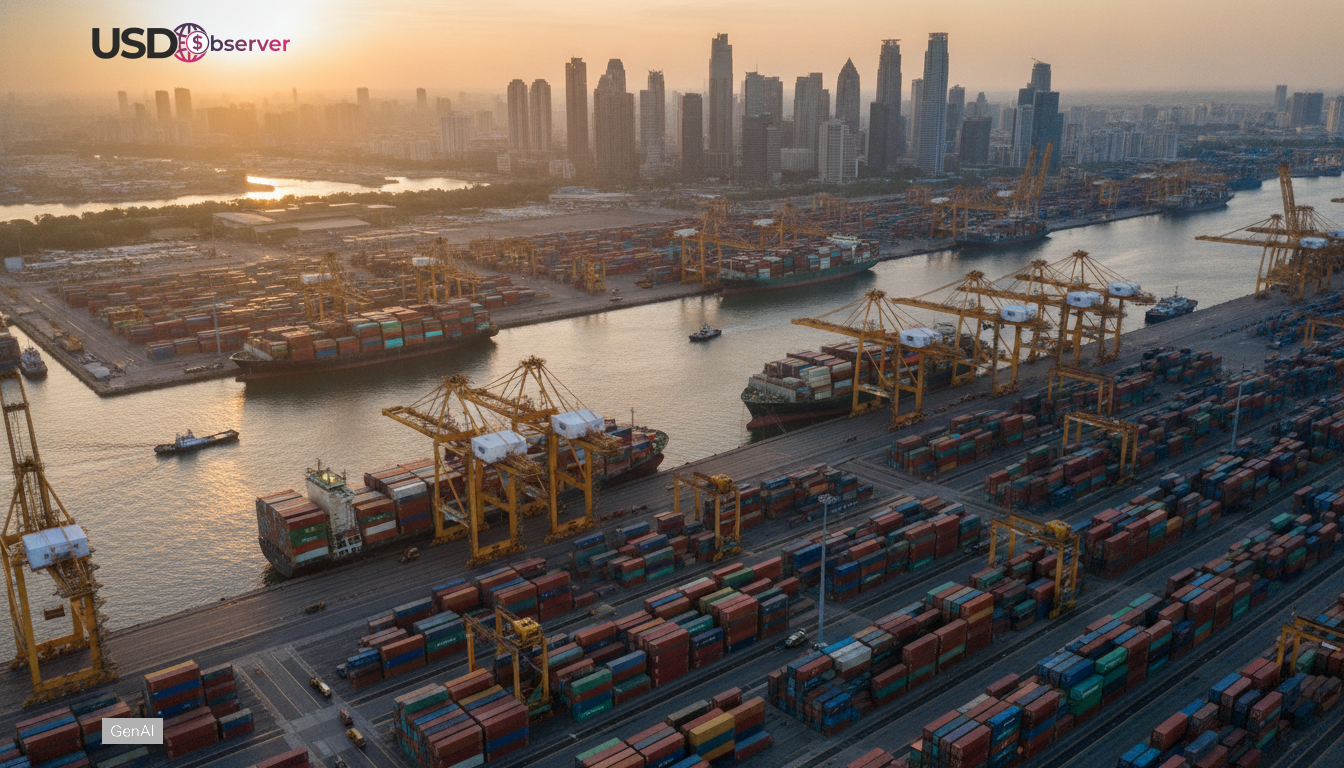
Global trade flows are adjusting in response to changing economic conditions. Slower growth in certain regions can lead to reduced demand for goods and services, affecting international trade patterns. At the same time, investment decisions are becoming more selective.
Companies are focusing on regions that offer stability and growth potential. This shift influences supply chains and cross border investment strategies. As a result, global trade and investment are evolving alongside broader economic trends.
Outlook Remains Data Dependent
The global growth outlook will continue to depend on incoming economic data and policy decisions. Indicators such as GDP growth, employment levels, and consumer spending provide insights into the strength of different economies. These data points guide both investors and policymakers.
Uncertainty remains a key feature of the current environment. While some regions show signs of resilience, others face ongoing challenges. This balance will determine how global growth evolves in the coming months.
Conclusion
Global growth remains uneven as major economies adjust to slower expansion, shaping investment trends and reinforcing a more fragmented economic landscape.