Global financial markets are reacting sharply to the latest escalation in the Iran conflict, with investors increasingly pricing in the risk of deeper economic damage. A broad selloff has emerged across equities, government bonds and commodities as concerns grow over sustained inflation and slowing growth. The shift in sentiment marks a turning point from earlier expectations that the conflict would remain short lived. Rising energy prices and heightened geopolitical uncertainty are now forcing investors to reassess risk exposure, while volatility spreads across multiple asset classes.
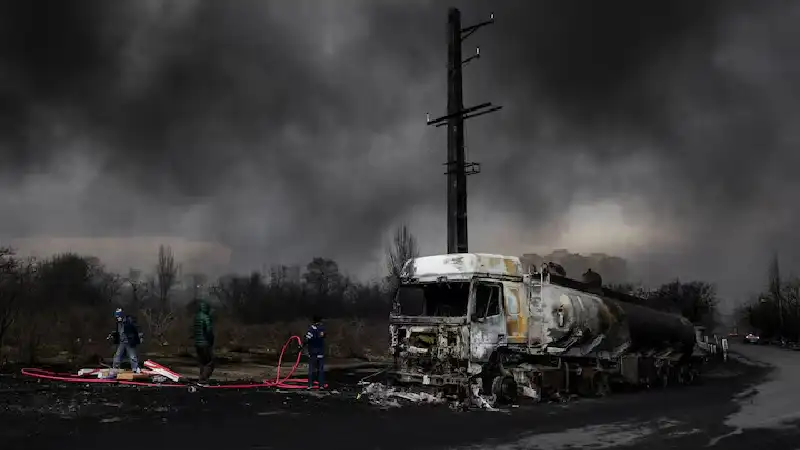
Oil markets are at the center of the disruption, with crude prices surging to multi month highs following attacks on key energy infrastructure in the Middle East. The widening gap between global crude benchmarks signals growing supply stress and uneven market conditions. Higher oil prices are feeding directly into inflation expectations, raising concerns about the global cost environment. As energy costs rise, the potential for inflation to remain elevated has increased, complicating the outlook for central banks and putting additional pressure on financial markets.
Monetary policy expectations have shifted significantly in response to these developments. Traders are reducing expectations for rate cuts in the United States while increasing bets on rate hikes in Europe. Government bond yields have surged across major economies, with sharp moves in short term yields reflecting heightened sensitivity to inflation risks. Central banks are signaling caution, but markets are already adjusting to the possibility of tighter policy conditions. This synchronized shift highlights how the conflict is influencing global monetary dynamics and reshaping investor expectations.
Currency markets are also reflecting this adjustment, with the US dollar losing some ground as other major economies are now expected to tighten policy more aggressively. The euro and other currencies have gained relative support as investors rebalance positions in response to changing rate differentials. At the same time, traditional safe haven assets are showing mixed performance, with gold declining despite ongoing uncertainty. Analysts suggest that previously strong positions are being unwound to cover broader market losses, indicating a more complex risk environment.
Equity markets have declined but remain relatively resilient compared to the scale of the energy shock, raising concerns that risks may still be underestimated. Analysts warn that if oil prices remain elevated for an extended period, the impact could shift from a supply driven shock to a broader demand slowdown. Higher borrowing costs and weaker growth prospects could weigh on corporate earnings and increase financial stress across sectors. Credit markets are already showing signs of strain, with rising costs of insuring against defaults and growing concern over leveraged segments.
Investors are now closely watching the duration and intensity of the conflict as the key factor shaping market direction. A prolonged crisis could amplify inflation pressures, delay policy easing and trigger deeper corrections across asset classes. The current environment reflects a fragile balance between growth expectations and inflation risks, with markets attempting to adjust in real time. As geopolitical developments continue to unfold, financial markets remain highly sensitive to both energy dynamics and central bank responses.