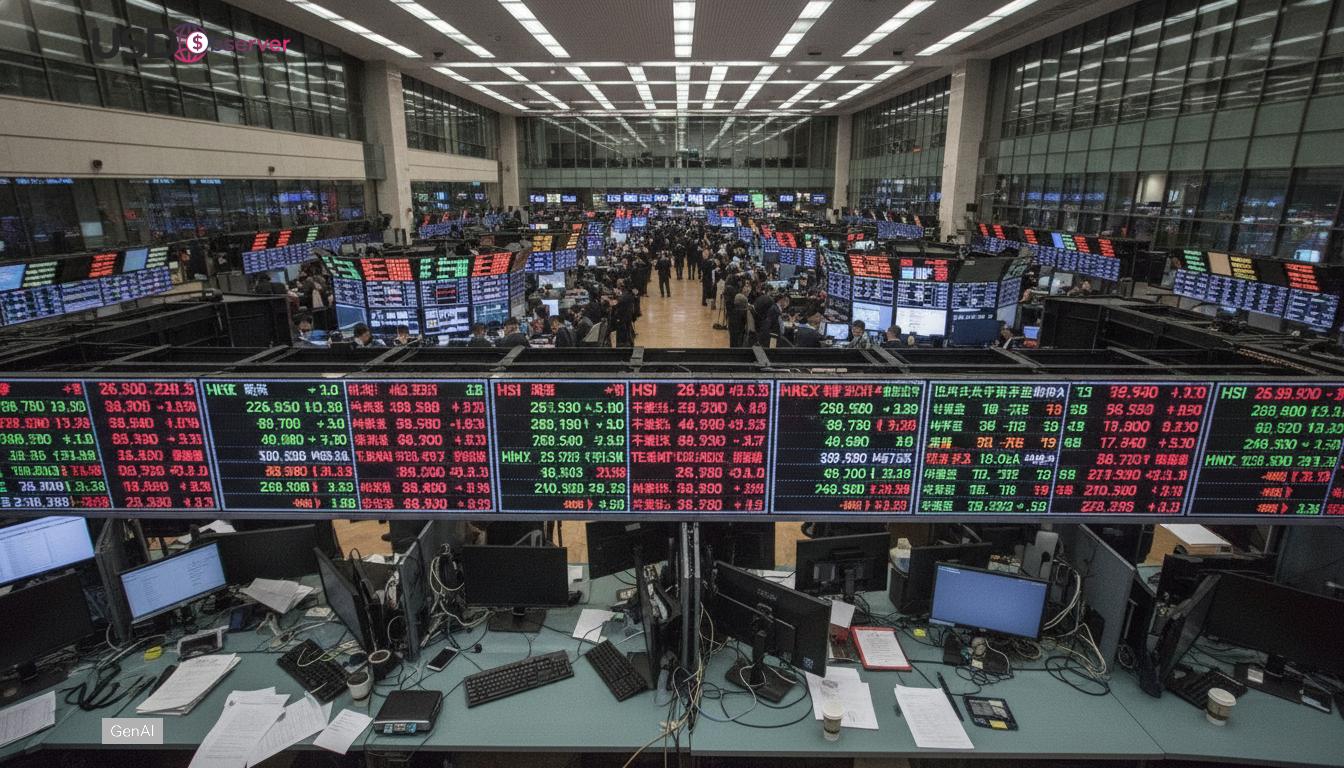
Banks across the Gulf region could face significant deposit outflows if geopolitical tensions intensify, with S and P Global Ratings estimating potential withdrawals of up to 307 billion dollars under a severe stress scenario. The warning comes as the ongoing conflict in the Middle East continues to disrupt markets and raise concerns about financial stability across the region. While current conditions remain stable, the scale of potential outflows highlights the sensitivity of banking systems to prolonged uncertainty and the risk of capital shifting toward perceived safer institutions.
Despite the elevated risk scenario, S and P noted that there have been no major signs of deposit flight so far, with Gulf banking systems demonstrating resilience during the initial phase of the conflict. Banks in the region have continued to operate normally, supported by strong liquidity positions and regulatory oversight. However, analysts caution that a deeper or longer lasting conflict could trigger a shift in depositor behavior, leading to movement of funds both within domestic banking systems and externally. Such shifts could test liquidity management frameworks and increase pressure on financial institutions.
The potential impact is being assessed against the region’s substantial liquidity buffers, which currently provide a degree of protection. Gulf banks collectively hold more than 300 billion dollars in cash and central bank reserves, with additional capacity available through the liquidation of investment portfolios. This cushion is expected to help absorb potential outflows, suggesting that while risks are significant, they may remain manageable under controlled conditions. Regulators across the Gulf Cooperation Council have also increased monitoring efforts to ensure stability and maintain confidence in the banking sector.
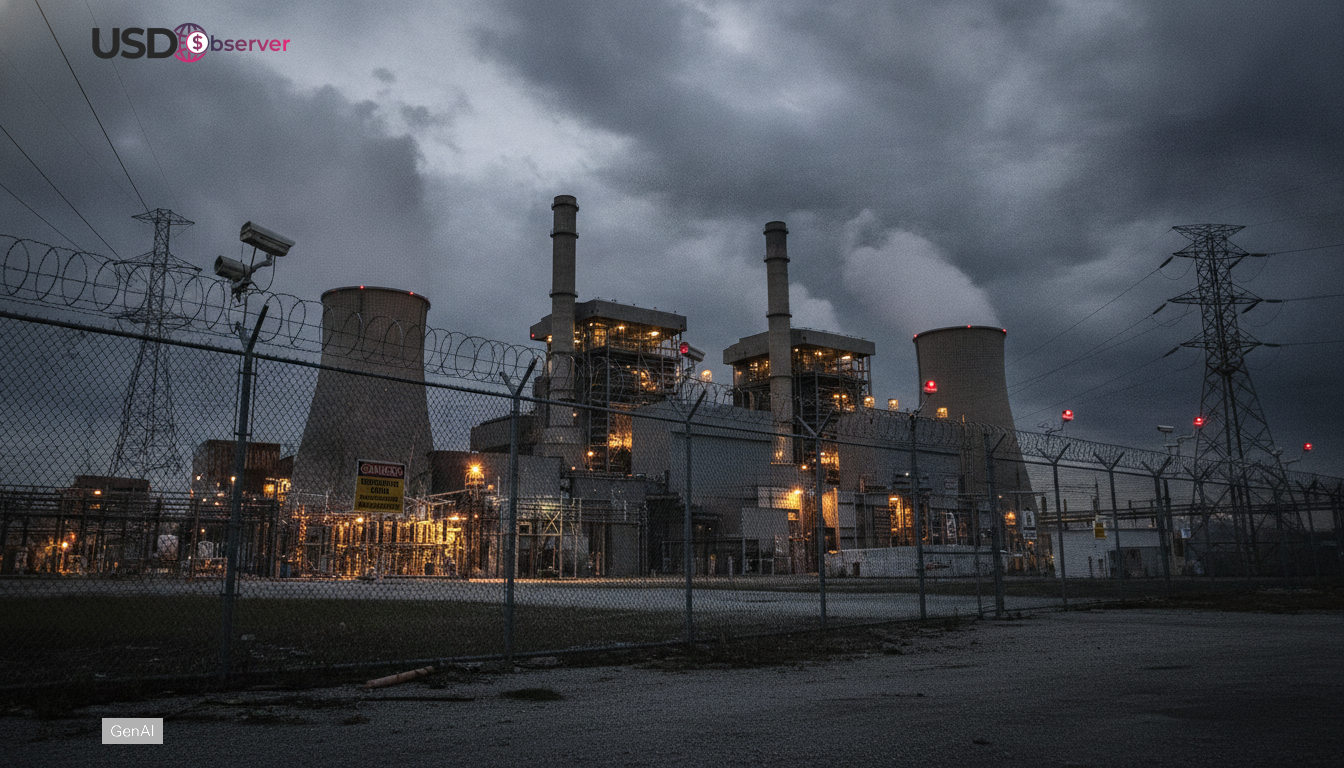
Operational risks have also emerged as a factor during the conflict, particularly following disruptions to digital infrastructure. Attacks on key facilities in the region have temporarily affected cloud and technology services, causing brief interruptions for some banking customers. In response, several institutions have strengthened contingency measures by establishing backup systems and data centers outside the region where permitted. These steps have helped limit the broader impact, although they underline the growing importance of technological resilience in modern financial systems.
The broader economic environment adds another layer of complexity, with sectors such as tourism, transportation, real estate, and retail identified as particularly vulnerable to prolonged instability. S and P estimates that under a severe scenario involving rising non performing loans, cumulative losses across major Gulf banks could reach tens of billions of dollars. However, the region’s banking sector is entering this period from a position of relative strength, supported by recent growth in assets, loans, and deposits driven by government spending and economic expansion.
Authorities in the region have sought to reassure markets, emphasizing that banks remain well capitalized and operationally stable. Central banks and regulators are expected to play a key role in maintaining liquidity and confidence if conditions deteriorate further, similar to the support measures implemented during previous global shocks. As the situation evolves, the outlook for Gulf banks will depend on both the duration of the conflict and the effectiveness of policy responses aimed at preserving financial stability in an increasingly uncertain environment.