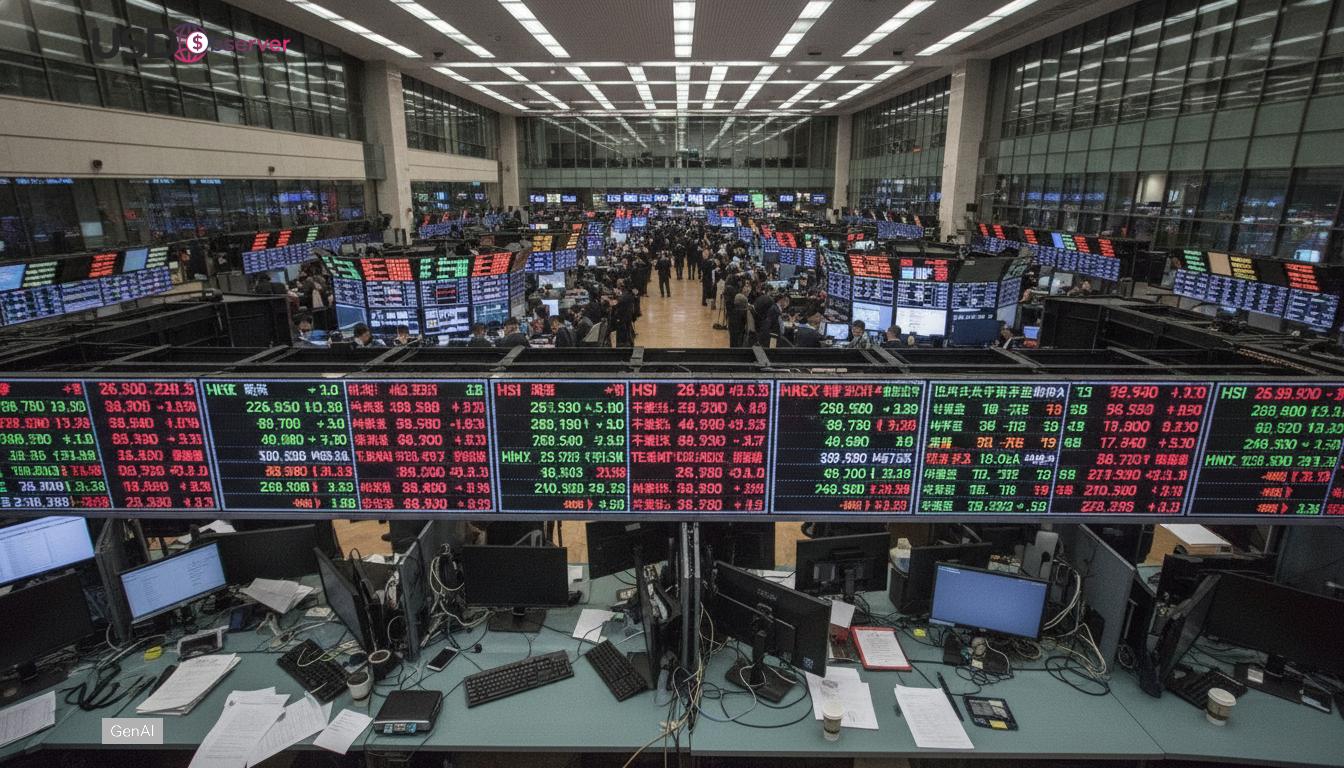
Global financial markets are adjusting to renewed inflation concerns as economic conditions across major regions remain uneven. Investors are closely watching price trends, economic growth indicators, and policy signals from central banks as they reassess the outlook for the global economy in 2026. Inflation pressures had eased during earlier stages of the economic cycle, but recent developments have reminded markets that price stability remains a key challenge for policymakers. These concerns are influencing investment strategies, bond yields, and currency movements across international markets.
Inflation Pressures Return to the Global Economic Debate
Inflation has once again become a central topic for global financial markets. While many economies experienced moderating price growth during previous quarters, new developments have raised questions about whether inflation could remain persistent. Rising input costs, supply chain adjustments, and changing energy prices are contributing to the renewed discussion.
When inflation expectations increase, financial markets often react quickly. Bond yields may rise as investors demand higher returns to compensate for inflation risk. Equity markets can experience volatility as higher costs affect corporate earnings and economic growth expectations. These reactions illustrate how closely financial markets are tied to inflation dynamics.
Central Banks Face a Difficult Balance
Monetary policymakers must carefully balance the need to control inflation with the goal of supporting economic growth. Central banks across the world spent several years tightening financial conditions in response to earlier inflation surges. Those policy actions helped slow price increases but also contributed to slower economic activity in some regions.
The current environment presents a complex challenge. If inflation pressures return, policymakers may feel pressure to maintain restrictive policies for longer than markets previously expected. However, prolonged tight financial conditions can slow investment and consumer spending. This balance between price stability and economic growth remains a central issue in monetary policy debates.
Regional Economic Differences Influence Markets
The global economy is not moving uniformly, and regional differences are shaping market reactions. Some economies continue to show relatively stable growth supported by consumer demand and services activity. Others face slower expansion due to industrial weakness or financial sector adjustments.
These differences influence how investors allocate capital across global markets. Countries with stronger growth prospects may attract investment flows, while regions facing economic challenges may see more cautious investor behavior. Currency markets and bond markets both respond to these shifts in economic expectations.
Investors Monitor Economic Indicators
Financial markets rely heavily on economic data to assess the direction of inflation and growth. Reports on consumer prices, employment trends, and manufacturing activity provide valuable signals about the health of the global economy. Investors analyze these indicators to anticipate potential policy responses from central banks.
When economic data suggests rising inflation pressures, markets often adjust expectations for interest rates. Higher expected rates can influence bond yields, currency values, and equity valuations. As a result, economic releases frequently trigger significant market reactions.
Market Stability and Policy Communication
Clear communication from policymakers plays a crucial role in maintaining market stability. When central banks provide consistent guidance about their policy intentions, investors can adjust expectations more gradually. Uncertainty about policy direction, however, can increase volatility across financial markets.
In recent months, policymakers have emphasized their commitment to monitoring economic conditions closely. They continue to highlight the importance of data driven decision making while acknowledging the complex challenges facing the global economy.
Conclusion
Global markets are adjusting to renewed inflation risks as policymakers and investors reassess the balance between economic growth and price stability in the evolving global economy.