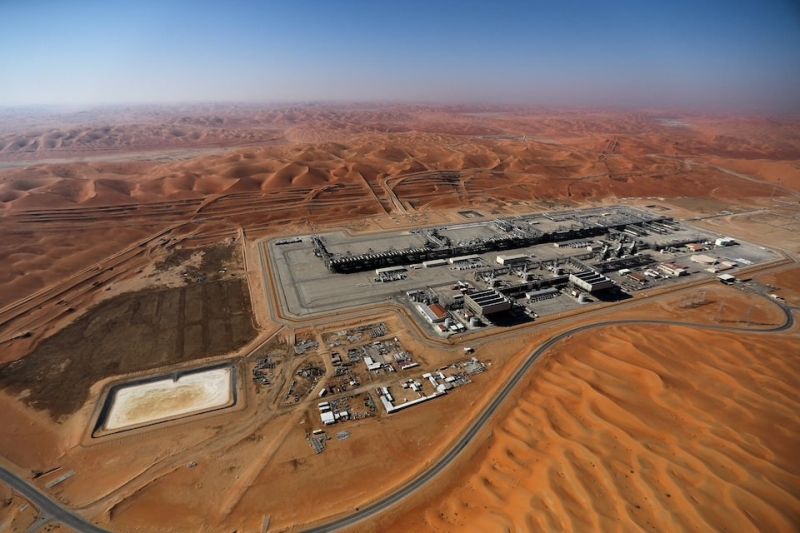
Global energy markets are facing growing uncertainty as tensions in the Middle East threaten to disrupt oil shipments through the Strait of Hormuz, one of the world’s most critical energy corridors. Saudi energy giant Aramco has warned that prolonged disruption in the strategic waterway could trigger severe consequences for global oil markets and the wider economy. The strait normally handles roughly one fifth of the world’s daily oil supply, making it a vital route for exports from Gulf producers. Any interruption to shipments through the narrow channel immediately raises fears of supply shortages, price volatility and broader financial market instability.
The current disruption is linked to escalating military tensions involving Iran and its regional rivals, which have significantly complicated shipping operations across the Gulf. Iranian authorities have warned that they may block oil exports from the region if attacks against the country continue. As a result, several oil shipments have been delayed or halted while shipping companies reassess the security risks of operating in the area. Energy analysts note that insurance costs for vessels moving through the Gulf have surged in recent days, further complicating the logistics of transporting crude oil to international markets.
Energy industry leaders say the longer the disruption continues, the greater the pressure on global oil supplies. Aramco executives have described the situation as the most serious crisis faced by the region’s oil and gas sector in years. The company said global oil inventories are already at relatively low levels, which means prolonged supply interruptions could quickly tighten markets. When spare production capacity is concentrated in the same region experiencing the disruption, it becomes more difficult for global markets to compensate for lost supply. This increases the likelihood of sharp price swings and prolonged volatility in energy markets.
The ripple effects of a sustained shipping disruption would extend far beyond the oil industry itself. Energy prices influence the cost of transportation, manufacturing and electricity production across the global economy. Industries such as aviation, agriculture and automotive manufacturing are particularly sensitive to energy price fluctuations. Economists warn that sudden increases in oil prices could also reignite inflation pressures at a time when central banks are already struggling to balance economic growth with price stability. For energy importing countries, higher oil costs can place additional pressure on national budgets and trade balances.
To maintain exports despite the disruption, Saudi Arabia has begun relying more heavily on alternative transport infrastructure within the kingdom. One of the key routes is the East West pipeline, which carries crude oil from production fields in the eastern region to the Red Sea port of Yanbu. The pipeline has become a critical lifeline for maintaining exports while shipments through the Gulf remain uncertain. However industry officials say the pipeline is approaching its maximum capacity, which limits how much oil can be redirected away from the Strait of Hormuz if shipping conditions do not improve.
Energy companies are also drawing on stored crude reserves to meet contractual obligations to customers while export routes remain restricted. While these inventories provide temporary relief, they cannot sustain global supply indefinitely if the disruption persists. Market participants estimate that hundreds of millions of barrels of oil could be removed from global markets if Gulf exports remain constrained. This has intensified concerns among policymakers and energy analysts who fear that prolonged instability in the region could reshape global supply dynamics and increase pressure on already fragile energy markets.
At the same time geopolitical developments continue to influence market expectations. The United States has suggested that naval escorts could be used to help secure oil shipments moving through the Gulf, though the scale of such operations remains uncertain given ongoing military activity in the region. Meanwhile global investors and energy traders are closely monitoring diplomatic efforts that could eventually ease tensions and reopen critical shipping routes. With the Strait of Hormuz representing one of the most important arteries of the global energy system, its stability remains central to the functioning of oil markets and the broader world economy.