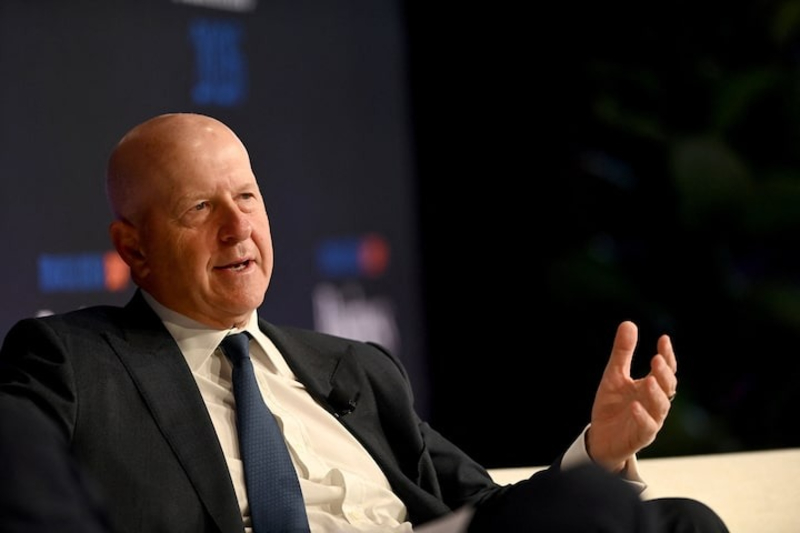
Global financial markets may need several weeks to fully understand the economic consequences of the escalating conflict involving Iran, according to Goldman Sachs Chief Executive David Solomon. Speaking at a major business summit in Sydney, Solomon said the reaction across markets so far has been relatively calm compared with the scale of geopolitical developments unfolding in the Middle East.
Solomon noted that the initial response from investors has been surprisingly restrained, even though the conflict has triggered rising energy prices and heightened geopolitical risk. Oil markets have reacted sharply as concerns about supply disruptions in the Middle East intensified, yet global equity markets have not experienced the severe selloffs that often accompany major geopolitical shocks.
The Middle East remains a crucial region for global energy production, and any prolonged conflict could significantly influence oil flows and energy prices. Energy markets have already shown signs of tension as traders factor in the possibility of supply interruptions and shipping disruptions in key routes connected to the region.
Despite these risks, major stock markets have held relatively stable. Wall Street indexes have declined modestly during the week but have avoided deeper losses seen during previous geopolitical crises. Market analysts say this suggests investors are still evaluating the broader economic implications rather than reacting immediately with aggressive risk reductions.
Solomon said that financial markets often take time to reflect the cumulative effects of geopolitical events. While initial reactions can appear muted, deeper economic consequences may become visible only after investors have had time to assess developments and understand how they could influence inflation, growth and monetary policy.
Higher oil prices remain one of the key concerns for policymakers and investors. Rising energy costs can feed into inflation, potentially complicating central bank decisions on interest rates. If energy prices remain elevated for an extended period, they could slow economic activity by raising production and transportation costs across industries.
At the same time, the U.S. economy continues to display underlying strength, according to Solomon. Strong macroeconomic conditions and supportive financial policies have helped maintain economic momentum despite global uncertainties. He suggested there is a reasonable chance that economic growth in the United States could remain stronger than expected this year.
Such resilience could also bring new challenges. If economic activity runs hotter than anticipated, inflation pressures may remain elevated, potentially forcing policymakers to keep interest rates higher for longer than markets currently expect.
Beyond geopolitical tensions, Solomon also highlighted the growing influence of artificial intelligence across financial services and the broader labor market. He said advances in AI technology are likely to reshape white collar employment in the near term as companies adopt automation tools to improve productivity.
Financial institutions are already exploring ways to integrate AI into daily operations, including automating routine administrative tasks and enhancing analytical capabilities. While the technology could alter workforce structures in the short term, Solomon suggested it may ultimately lead to more efficient organizations rather than large scale reductions in employment.